Tuscan Herbs: The Essential Italian Herbs Used in Tuscan Cuisine | Mama Florence Cooking School
What Are Tuscan Herbs?
Tuscan cuisine is famous for its simplicity: good ingredients, treated with respect, and very little standing between the ingredient and the plate. One of the quiet forces behind that simplicity is a handful of aromatic herbs that define the scents of Tuscan cooking.
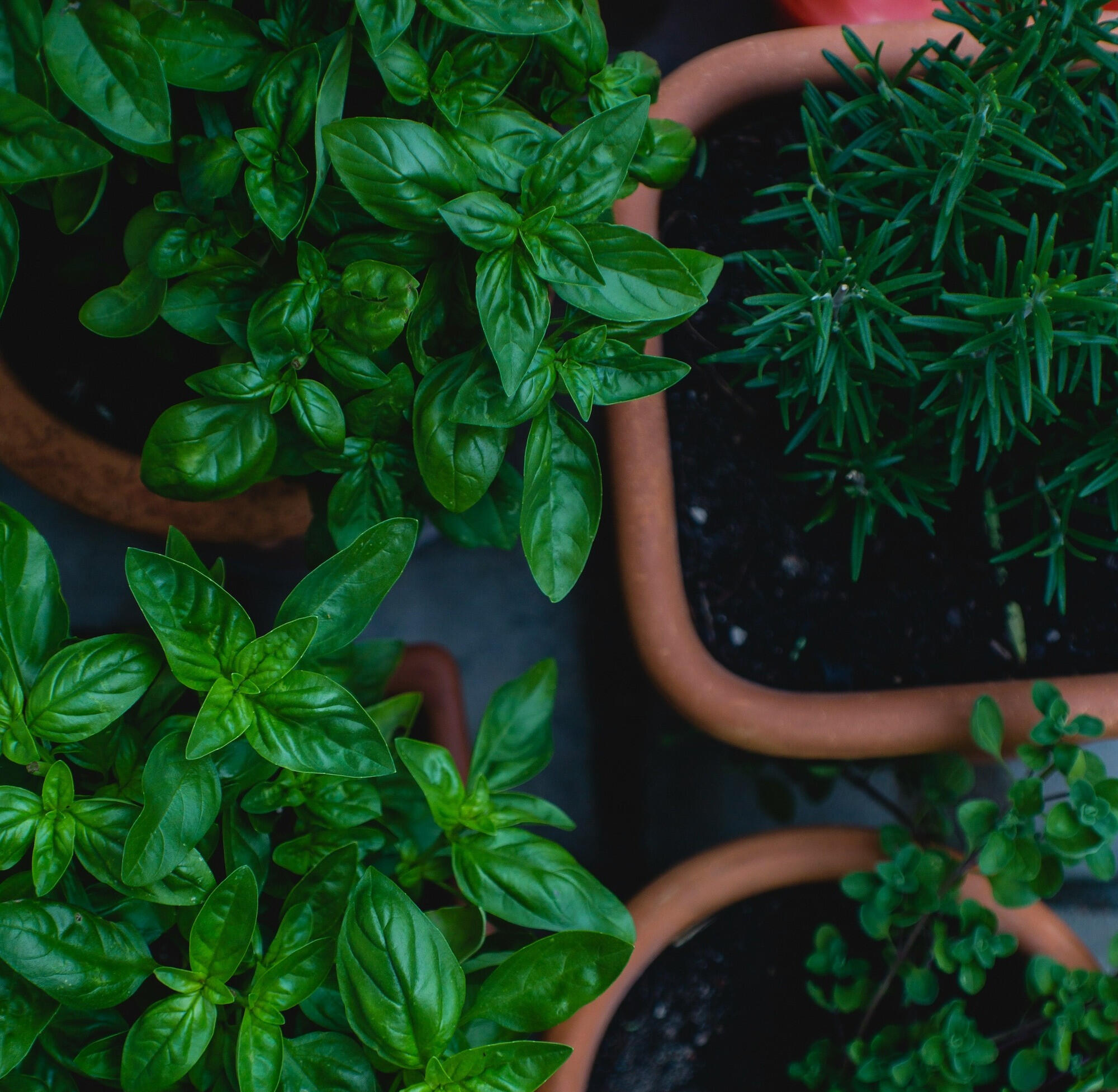
Rosemary, sage, basil, thyme, bay leaf and wild fennel are some of the essential Tuscan herbs used across bread, beans, soups, fresh pasta, vegetables and roasts. These Italian cooking herbs are not simply garnish; they build flavor without overwhelming the ingredients underneath.
For a wider look across the country, explore Mama Florence's guide to Italian herbs and the regional traditions behind them.
Tuscan Herbs vs. Italian Herbs: What's the Difference?
For many American cooks, the phrase Italian herbs immediately brings to mind Italian seasoning: a ready-made blend of dried herbs. But in Italy, dishes are usually built around specific herbs chosen for the ingredient, region and season rather than one universal Italian seasoning mix.
In Tuscany, the approach is especially ingredient-specific. Rosemary might perfume potatoes or beans; sage works beautifully with butter and fresh pasta; basil brings freshness to ripe tomatoes; and bay leaf adds quiet depth to slow-cooked dishes. So when we talk about Tuscan herbs or Tuscan seasoning, we mean the herbs that help shape Tuscan cooking - not one fixed Tuscan spice mix.
The Roots and History of Tuscan Herbs
Historically, aromatic herbs were grown in the family vegetable garden - l'orto - or gathered along the hillsides and wooded paths of the Tuscan countryside. They were practical, abundant ingredients, especially important in cucina povera: the resourceful tradition that turned bread, beans, vegetables and other humble staples into deeply flavored food.
That same philosophy still defines Tuscan cucina povera: cook with the season, waste as little as possible, and let a few good ingredients do the work.
What Herbs Are Used in Tuscan Cuisine
Rosemary
Rosemary is one of the most recognizable scents in Tuscan cooking. Its resinous, woodsy flavor works beautifully with roasted potatoes, beans, rustic soups and roasted meats, and it is one of the Tuscan herbs most strongly associated with hearty savory dishes.
Sage
Sage is earthy, savory and particularly at home with butter, beans and fresh pasta. A few fresh sage leaves can perfume an entire dish without asking for much else.
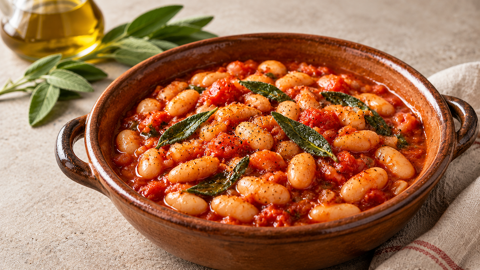
For a classic Tuscan example, Fagioli all'Uccelletto pairs cannellini beans with tomato, garlic and fresh sage.
Basil
Basil is the bright green voice of summer. It loves ripe tomatoes, extra virgin olive oil and fresh preparations, and it is best treated gently so its fragrance stays vivid.
It may be inseparable from Liguria's pesto alla Genovese, but basil is just as welcome on Tuscan summer tables in dishes such as Panzanella and Pappa al Pomodoro.
Bay Leaf, Thyme & Wild Fennel
Bay leaf builds subtle earthy depth in broths, legumes, stews and long-simmered sauces. Thyme brings a concentrated Mediterranean aroma to mushrooms, rustic soups, meats and game. Wild fennel, found in parts of Tuscany including the Maremma, adds a distinctive anise-like perfume.
How Tuscan Herbs Are Used from Antipasti to Secondi
Across an Italian meal, herbs change roles. In antipasti, basil, rosemary and sage can bring freshness or warmth to crostini, vegetables and tomato-based dishes. In primi piatti, Tuscan herbs become part of the structure: rosemary with beans and soups, sage in butter sauces for fresh pasta, and bay leaf in slow-cooked sauces.
With secondi and contorni, the flavors can become bolder. Rosemary suits roasts and potatoes, sage works beautifully with white meats and beans, and thyme complements mushrooms and game. But restraint matters: traditional Tuscan cooking is not about adding every herb to every dish; the ingredient itself should remain the star.
Tuscan Herbs, Bread and Extra Virgin Olive Oil
Some of the most Tuscan combinations are also the simplest: unsalted pane sciocco, beans, seasonal vegetables, fresh herbs and extra virgin olive oil. A few Tuscan cooking herbs can perfume a soup or plate of beans, while good olive oil carries those aromas across bread and vegetables without needing a complicated sauce.
Tuscan Herbs FAQ
Q: What herbs are commonly used in Tuscan cooking? A: Rosemary, sage, basil, thyme, bay leaf and wild fennel are among the aromatic herbs commonly associated with Tuscan cooking. The herb depends on the dish, the season and the ingredient it is meant to support.
Q: What is Tuscan seasoning? A: Tuscan seasoning often refers to a commercial dried-herb blend, sometimes sold as a Tuscan seasoning mix or Tuscan spice mix, but traditional Tuscan cooking is not built around one fixed blend. Tuscan cooks use individual herbs such as rosemary, sage, basil, thyme and bay leaf according to the dish.
Q: What's the difference between Tuscan seasoning and Italian seasoning? A: Both names are commonly used for packaged herb blends, especially outside Italy, and recipes vary by brand. In traditional regional cooking, however, herbs are chosen individually. Tuscan herbs are tied specifically to the cooking of Tuscany, while Italian herbs is a broader term that can include herbs used across many regions.
Q: What herbs are in Italian herbs? A: There is no single universal Italian herbs blend. Commercial Italian seasoning may include herbs such as basil, oregano, rosemary, thyme or sage, while actual Italian cooking changes its herbs according to the region and dish.
Bring the Scents of Tuscany into Mama's Kitchen
The role of herbs in Tuscan cuisine is ultimately a lesson in balance: choose the herb that belongs with the ingredient, use enough to give the dish identity, and know when to stop. At Mama Florence, those small choices are part of learning how Tuscan food builds flavor from simple ingredients.
Explore Mama Florence's Traditional Tuscan Cooking Class and cook with the ingredients and techniques that shape the Tuscan table.