Peposo: A Tuscan Stew Built on Wine, Pepper and Time
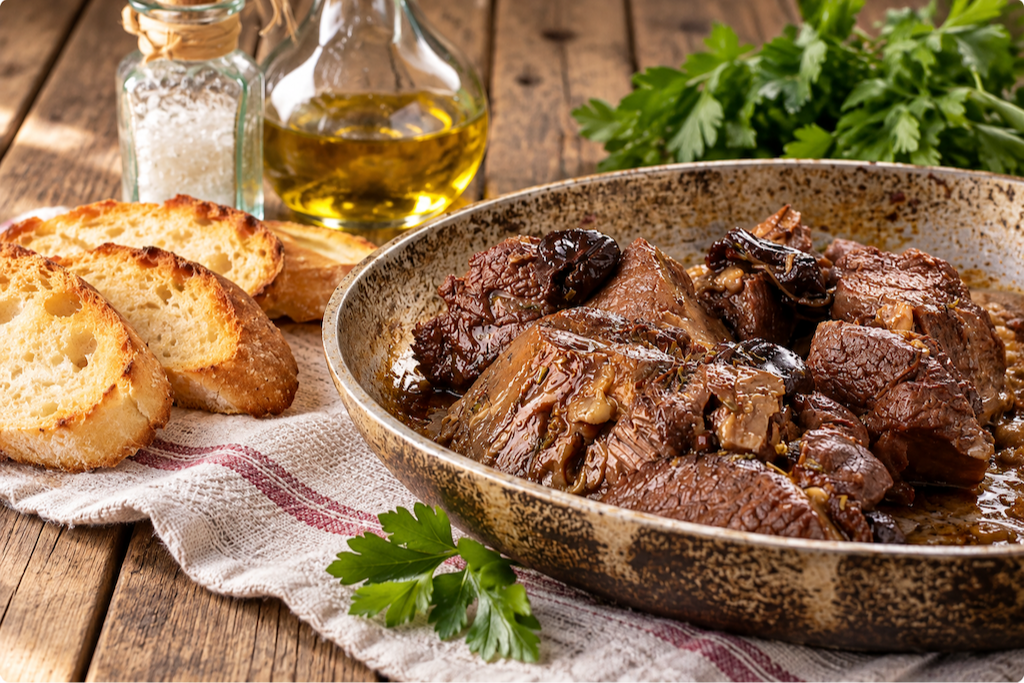
Peposo is the kind of Tuscan dish that turns restraint into abundance. Beef, black pepper, red wine, vegetables, and a long, gentle braise become a dark, deeply savory stew in which the sauce clings to meat tender enough to yield under a fork. Its name comes from pepe, the Italian word for pepper, but the point is not overwhelming heat. Black pepper should be unmistakable, warming the dish and running through the wine-darkened sauce without drowning out the beef. Our version is made with stew served as Peposo con purè di patate: alongside soft yellow-fleshed potatoes dressed not with cream or butter, but with extra virgin olive oil slowly infused with rosemary, sage, and bay leaf. It is rustic cooking, but not careless cooking. Browning, gentle heat, time, and seasoning are what turn a modest cut of beef into something worthy of the center of the table.
What Is Peposo?
Peposo is a slow-cooked Tuscan beef stew characterized by red wine and a generous use of black pepper. Our version begins with a finely diced aromatic base of carrot, celery, and onion cooked in extra virgin olive oil before the beef is browned. Red wine is then added and the stew cooks over very low heat for a minimum of two hours, until the meat becomes fork-tender and the liquid reduces into a glossy gravy. Despite the name - sometimes translated loosely as “the peppery one” - Peposo is not intended to taste punishingly hot. The pepper is there for depth, fragrance, and warmth.
How to Make Peposo
The first layer of flavor comes from the vegetables. Carrot, onion, and celery are diced finely and cooked in extra virgin olive oil for about five minutes, just until they soften and release their fragrance. The beef is then browned thoroughly, creating the savory foundation that will carry through the long braise. Freshly ground black pepper is added generously. The beef and vegetables cook together for another ten minutes before the red wine goes into the pot. From there, patience takes over. The stew is covered and left to simmer over the lowest heat for at least two hours, with only an occasional stir and a little stock or water if the sauce begins drying before the beef is tender.
Peposo Ingredients:
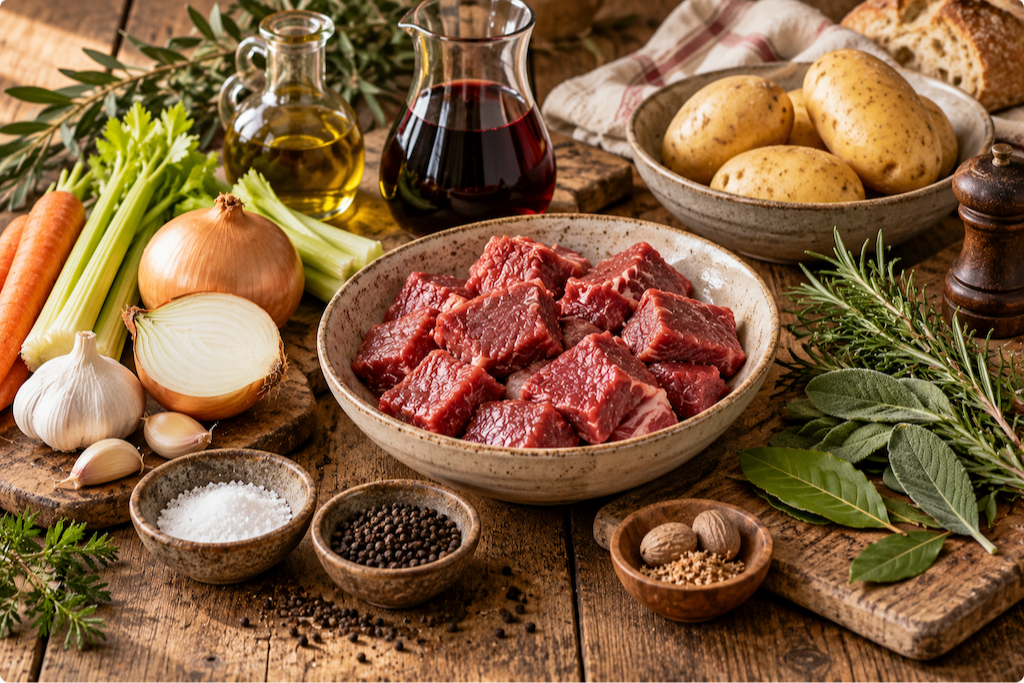
• 500 gr beef rump • 3 garlic cloves • 1 carrot • 1 celery stalk • ½ cup onion • 1 cup red wine, preferably Chianti • Freshly ground black pepper, as needed • Extra virgin olive oil, as needed • Salt, as needed
Note from Mama: Room-temperature beef stock or water, as needed
Herb-Infused Mashed Potato Ingredients:
• 3 medium yellow-fleshed potatoes • 4 tablespoons extra virgin olive oil • Rosemary, as needed • Sage, as needed • Bay leaf, as needed • Salt, to taste • Freshly ground black pepper, to taste • Nutmeg, to taste
Mama’s Secret: Peposo should reduce slowly rather than boil aggressively. Keep the heat low and add only a small amount of liquid if necessary. By the end, the sauce should cling to the beef rather than run thinly around it.
1. Prepare the Vegetables and Beef
- Peel the carrot, garlic and onion, then dice them finely.
- Clean the celery and dice it to a similar size.
- If your beef includes any bones, remove them carefully. Cut the meat into generous, rustic cubes suitable for a long braise.
2. Cook the Aromatic Base
- Coat the base of a heavy-bottomed pot generously with extra virgin olive oil.
- Heat the oil over medium heat, then add the diced carrot, onion, garlic, and celery.
- Cook for approximately 5 minutes, stirring frequently, until the vegetables have softened and released their fragrance.
- Lower the heat if necessary to prevent them from burning.
3. Brown the Beef
- Add the beef cubes to the pot.
- Sear the meat thoroughly on all sides, allowing it to develop a rich brown exterior.
- Season generously with freshly ground black pepper and stir the beef and vegetables together.
Note from Mama: Beef rump is used in this recipe, but cuts made for slow cooking, such as beef shank or even veal shinbone, are also well suited to Peposo. Long braising allows these firmer cuts to become meltingly tender.
4. Build the Braise
- Continue cooking the beef and vegetables together over moderate heat for another 10 minutes, allowing the flavors to deepen.
- Pour in the red wine - the source recommends Chianti - and season with salt to taste.
5. Slow-Cook the Peposo
- Cover the pot with a tight-fitting lid and reduce the heat to its lowest setting.
- Allow the Peposo to simmer gently for a minimum of 2 hours.
- Stir occasionally to prevent anything from catching on the bottom of the pot.
- If the stew begins to look too dry before the beef has become tender, add a small splash of room-temperature beef stock or water. Scrape any richly browned fond from the bottom of the pot back into the sauce.
- After two hours, test the beef. It should be fork-tender and succulent, with the cooking liquid reduced into a glossy, pepper-flecked gravy that clings to the meat.
- Taste and adjust the seasoning as needed.
How to Make the Herb-Infused Mashed Potatoes
1. Cook the Potatoes
- Boil the yellow-fleshed potatoes with their skins on until completely tender.
2. Infuse the Olive Oil
- While the potatoes cook, pour the 4 tablespoons of extra virgin olive oil into a small pan.
- Add rosemary, sage, and bay leaf.
- Warm gently over low heat for approximately 5 minutes.
- The herbs should perfume the oil rather than fry, so keep the heat low.
3. Mash and Season
- Once the potatoes are tender, peel them while still manageable and transfer them to a bowl.
- Mash until soft.
- Season with salt, freshly ground black pepper, and nutmeg.
4. Finish with the Herb Oil
- Dress the mashed potatoes with the warm herb-infused extra virgin olive oil.
- Mix until the potatoes have absorbed the oil and the herbs have given them their fragrance.
- Unlike a richer butter-and-cream purée, this version keeps the potatoes firmly in a Tuscan register: olive oil, herbs, seasoning, and the potato itself.
How to Serve Peposo con Purè di Patate
- Spoon the warm herb-infused mashed potatoes onto each plate.
- Arrange the Peposo alongside or partially over the potatoes, making sure each serving gets plenty of the reduced wine-and-pepper sauce.
- The purée is more than a side dish here. Its softness gives the concentrated sauce somewhere to settle, while the rosemary, sage, bay leaf, and olive oil echo the savory character of the beef without competing with the black pepper and red wine.
- The original Peposo preparation also recommends serving the stew with thick slices of toasted rustic Tuscan bread, perfect for catching whatever sauce remains on the plate. Even when serving it with potato purée, a little crusty bread at the table would hardly be unwelcome.
Why Black Pepper Matters in Peposo
Black pepper is not a garnish added at the end. It is part of the identity of the dish. The name itself comes from pepe, and the pepper should remain recognizable even after hours of cooking. What develops, however, is different from the sharpness of raw pepper freshly cracked over a finished plate. During the braise, its aroma settles into the wine, beef, and vegetables, leaving a warmth that runs through the sauce. That is the balance to look for: peppery, not punishing.
Why Chianti Works in Peposo
Wine forms much of the liquid foundation of this stew, so it has time to become something very different from the glass poured into the pot. As the Peposo cooks, the red wine reduces alongside the beef juices and vegetables, becoming darker, rounder, and more concentrated. The source recommends Chianti, which gives the dish an unmistakably Tuscan point of reference. The wine is not there simply to deglaze the pot; it becomes part of the finished sauce itself.
The Perfect Bite
The beef should be tender enough to yield with almost no resistance, surrounded by a sauce that is glossy rather than watery. First comes the depth of beef and reduced red wine, followed by the gentle sweetness of the cooked vegetables. Black pepper brings warmth through the middle of the bite rather than striking only at the finish. Then the potatoes change everything. Soft yellow-fleshed potato and fragrant olive oil mellow the intensity of the stew, while rosemary, sage, bay leaf, and nutmeg add their own quiet aromatic layer. The best bite catches both together: tender beef, pepper-darkened sauce, and enough herb-infused potato to carry it all.
More Tuscan Recipes to Explore
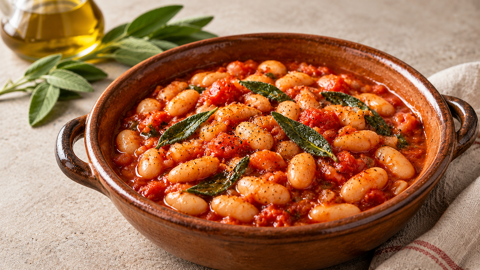
Peposo belongs to the same world of patient Tuscan cooking as our Fagioli all’Uccelletto, where cannellini beans, tomato, garlic, sage, and olive oil become something far greater than the simplicity of the ingredient list suggests. For a lighter side of the Tuscan table, our Panzanella brings together stale country bread, tomatoes, cucumber, onion, basil, olive oil, and vinegar - another example of the region’s instinct for making humble ingredients matter. And if it is the potato element that catches your attention, our traditional Potato Gnocchi takes the same everyday ingredient in a completely different direction, turning potatoes into soft Italian dumplings.
Learn Traditional Tuscan Cooking in Florence
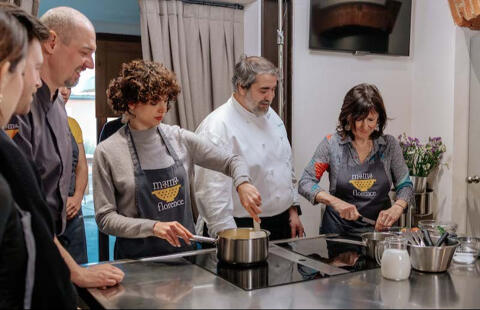
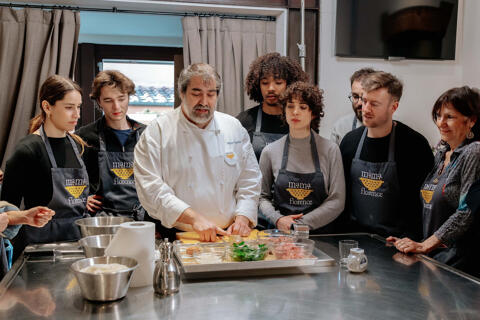
Peposo explains a great deal about the way we approach Tuscan cooking at Mama Florence Cooking School. The ingredient list is not long, but every decision carries weight: how thoroughly the meat is browned, how generously the pepper is used, how low the braise is kept, and whether the dish is given enough time to become what it should be. Our Tuscan Traditional Cooking Course explores that same approach through a complete seasonal Tuscan menu, from appetizer and fresh pasta through the main course and dessert, accompanied by carefully paired wines.
Mama Florence also offers a Florence Market Tour & Traditional Tuscan Cooking Class, where the experience begins with ingredients before moving into the kitchen - an especially fitting way to understand a cuisine in which good raw materials and technique are so closely connected. Current Mama Florence schedules list both the traditional cooking course and the market-and-cooking experience.
Frequently Asked Questions
Q: What is Peposo? A: Peposo is a Tuscan beef stew slow-cooked with red wine, black pepper, and aromatics until the meat becomes tender and the sauce reduces around it.
Q: What does “Peposo” mean? A: The name comes from pepe, the Italian word for pepper, referring to the generous amount of black pepper traditionally associated with the dish.
Q: Is Peposo from Florence or Impruneta? A: Its precise origin is surrounded by competing traditions. One famous account connects Peposo to workers involved in Brunelleschi’s construction of the dome of Santa Maria del Fiore, while another traces it to the terracotta kiln workers of Impruneta.
Q: Is Peposo very spicy? A: It should be distinctly peppery, but the finished dish is more about deep, savory warmth than overwhelming heat.
Q: How long should Peposo cook? A: This recipe requires a minimum of 2 hours of gentle simmering after the initial preparation and browning stages.
Q: What cut of beef should I use for Peposo? A: This recipe uses 500 g beef rump. The source also recommends slow-cooking cuts such as beef shank or even veal shinbone.
Q: What wine is best for Peposo? A: The recipe uses 1 cup red wine and recommends Chianti for a distinctly Tuscan character.
Q: Can Peposo be made in a slow cooker? A: Yes. The supplied source specifically notes the slow cooker as a convenient option, although it does not give a separate slow-cooker timing or method.
Q: What makes these mashed potatoes different? A: Instead of butter or cream, the potatoes are dressed with extra virgin olive oil gently infused with rosemary, sage, and bay leaf, then seasoned with salt, pepper, and nutmeg.
Q: What should I serve with Peposo? A: This version is served with herb-infused mashed potatoes. The original Peposo preparation also recommends thick slices of toasted rustic Tuscan bread to soak up the sauce.
Disclaimer
Please note that our chefs may adapt recipes according to seasonal ingredient availability and participants’ dietary or allergy requirements. As a result, the ingredients, preparation, or presentation shown in this recipe may vary from what you prepared during your Mama Florence class. In some cases, elements of a dish may also appear as separate recipes — for example, the fresh pasta you prepared may be paired here with a different sauce, while the sauce from your class may appear in another recipe. Please reach out to our team if any confusion arises. Thank you — the Mama Florence Family.