Pasta
Classic Pumpkin and Potato Filling with Sage
Servings: 6 Prep Time: 15 minutes Cook Time: 40–50 minutes Total Time: ~1 hour 5 minutes
Servings: 6 Prep Time: 15 minutes Cook Time: 40–50 minutes Total Time: ~1 hour 5 minutes
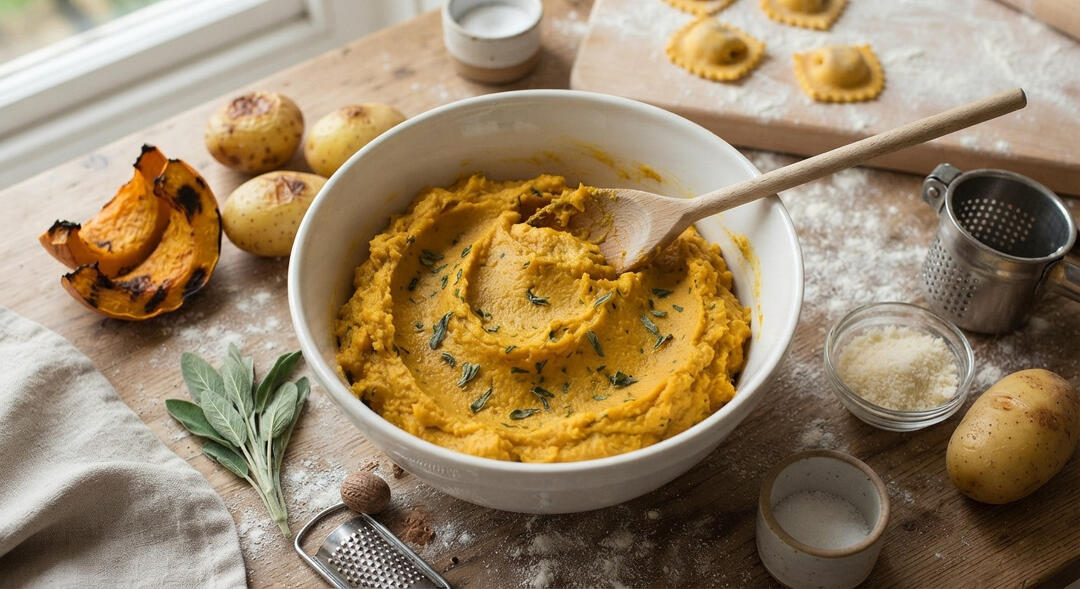
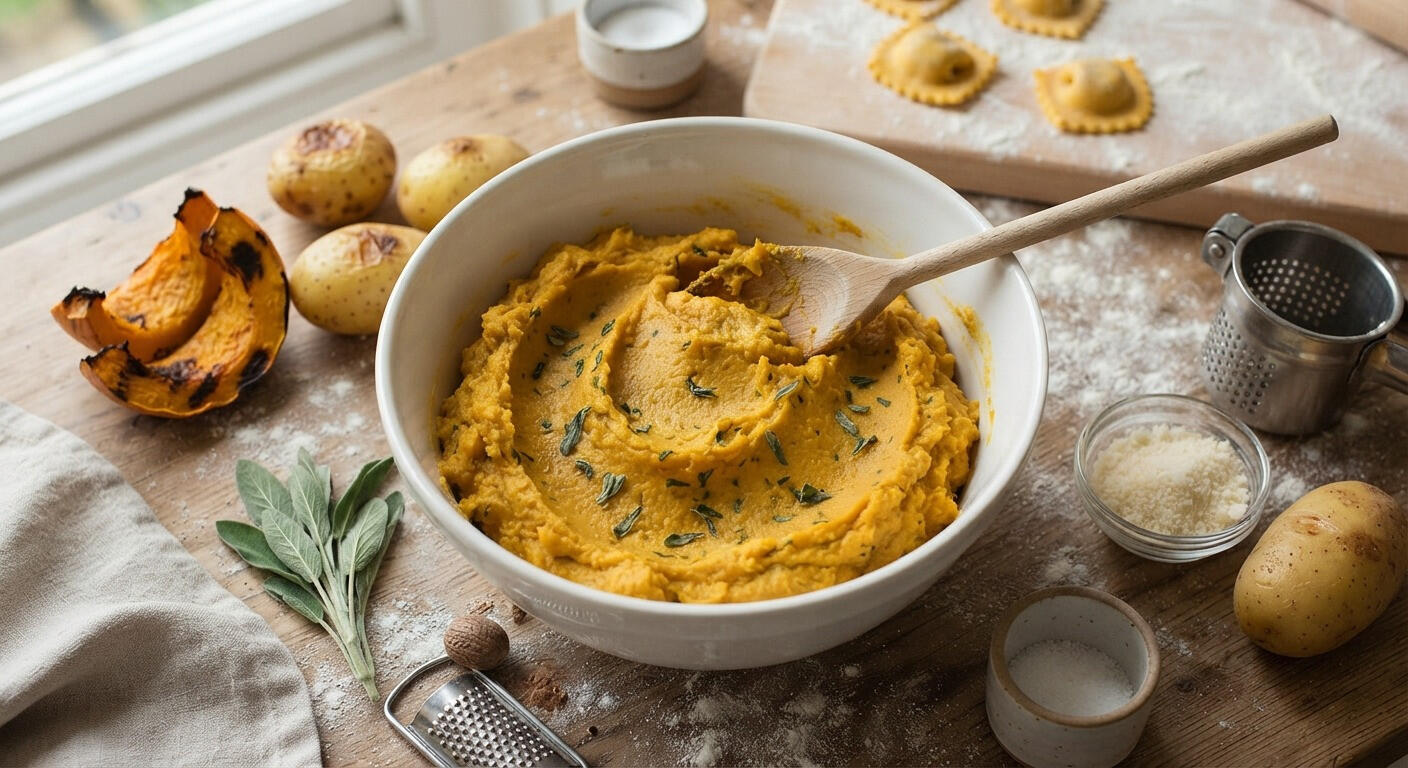
A velvety, subtly sweet, and savory filling is the secret to unforgettable homemade tortelli or ravioli. Roasting the pumpkin and potatoes rather than boiling them concentrates their natural flavors while keeping excess moisture out—ensuring your pasta stays tender without ever becoming soggy. Infused with fresh sage wilted in extra virgin olive oil and a touch of warm nutmeg, this classic Tuscan-style filling brings comfort and elegance to any handmade pasta dish.
750–800 g clean pumpkin (weighed in raw pieces)
200 g yellow potatoes
A few fresh sage leaves, finely chopped
A drizzle of extra virgin olive oil (for wilting the sage)
A generous grating of nutmeg
Salt and black pepper, to taste
1 tbsp grated Parmigiano Reggiano (optional, only if extra binding is needed)
Prep the vegetables: Cut the pumpkin into large wedges, removing the seeds and inner strings while keeping the skin on to help retain moisture during baking. Wrap the yellow potatoes whole, with their skins on, in aluminum foil.
Roast until tender: Bake in a static oven at 190°C (375°F) for 40–50 minutes, or until both the pumpkin and potatoes are completely tender when pierced with a fork.
Peel and mash: Remove from the oven. Scoop the pumpkin flesh away from the skin with a spoon, and carefully peel the hot potatoes. Pass both the pumpkin pulp and the potatoes through a potato ricer directly into a large mixing bowl.
Season and combine: Briefly wilt the finely chopped sage in a drizzle of extra virgin olive oil, then add it to the bowl along with the salt, black pepper, and freshly grated nutmeg. (If the mixture feels slightly loose, stir in the grated Parmigiano Reggiano for extra binding.)
Cool before stuffing: Mix everything thoroughly until smooth and uniform, then let the filling cool completely at room temperature before using it to stuff your fresh pasta.
Choose the right pumpkin: For the best texture and flavor, use firm, dry pumpkin varieties such as Delica or Mantovana. Watery pumpkins can make the filling too loose and cause fresh pasta dough to tear or open while boiling.
Always cool completely: Never spoon warm filling onto fresh pasta dough—the steam will soften the dough and prevent the edges from sealing properly.
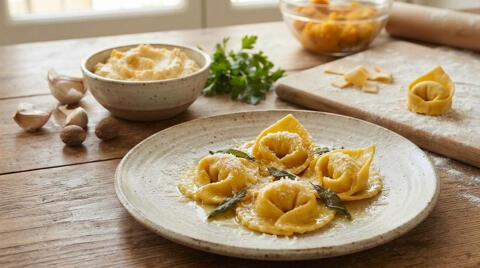
The pasta should be thin and tender around a filling that is velvety, savory-sweet, and unmistakably pumpkin. Then comes the butter: glossy and rich, carrying the perfume of fresh sage into every fold. Parmigiano brings the salty finish, while the ricotta, parsley, and warm nutmeg balance the natural sweetness inside. It is warm, comforting, and exactly the kind of plate that disappears faster than anyone intended.
If making Tortelli has you ready to keep rolling, explore MaMa Florence's guide to 5 Tuscan Pasta Dishes You Must Try, or practice the same fresh egg pasta foundation with our Fresh Egg Tagliatelle recipe.
Want to make fresh pasta with one of our chefs in Florence? Join our Pasta Making Cooking Class to roll fresh egg pasta, work with fillings and sauces, and learn the techniques behind traditional Italian filled pasta. You can also explore Tortelli di Zucca in the wider world of Tuscan cooking through our Traditional Tuscan Cooking Class.
Q: What is classic pumpkin and potato filling made of?
A: This traditional Tuscan-style pasta filling is made with roasted pumpkin and yellow potatoes passed through a potato ricer, seasoned with fresh sage wilted in extra virgin olive oil, freshly grated nutmeg, salt, black pepper, and an optional touch of Parmigiano Reggiano for extra binding.
Q: What type of pumpkin is best for making tortelli filling?
A: Firm, dry pumpkin varieties such as Delica or Mantovana work best because they keep the filling rich and dense rather than watery, ensuring your fresh pasta stays sealed and doesn't tear while cooking.
Q: Why should I roast the pumpkin and potatoes instead of boiling them?
A: Baking the pumpkin wedges with the skin on and wrapping the potatoes whole in aluminum foil at 190°C for 40–50 minutes cooks them until completely tender without introducing excess water, concentrating their natural flavor and keeping the filling thick.
Q: Do I need to let the pumpkin and potato filling cool before stuffing the pasta?
A: Yes, always let the filling cool completely at room temperature before spooning it onto your fresh pasta dough. Warm filling creates steam that softens the dough and prevents the edges from sealing properly.
More recipes and stories from our kitchen
Course: Pasta / First Course Cuisine: Italian, Tuscan Serves: 6 Prep: approx. 20 min (plus pasta dough & shaping) Rest: 30 min
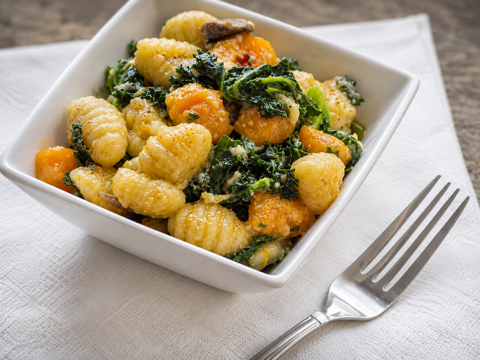
Course: Main Course - Cuisine: Tuscan, Italian; Serves: 4. Prep: approx. 25 min. Cook: approx. 15 min. Total: approx. 40 min.

Course: First Course / Pasta - Cuisine: Italian; Serves: 4. Prep: approx. 30 min. Rest/Marinate: 30 min. Cook: approx. 15–20 min. Total: approx. 1 hr 15 min.
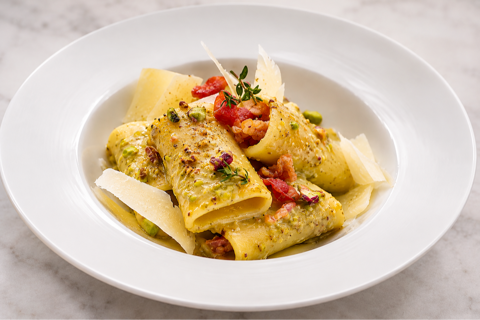
Course: First Course / Pasta - Cuisine: Italian; Serves: 4. Prep: approx. 10 min. Cook: according to pasta package, plus 2 min. Total: approx. 25–30 min.
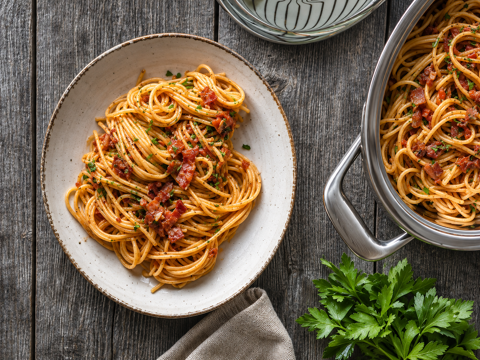
Course: First Course / Pasta - Cuisine: Roman, Italian; Serves: 6. Prep: approx. 30 min. Rest: 15 min. Sauce: at least 30 min. Total: approx. 1 hr 15 min, plus...
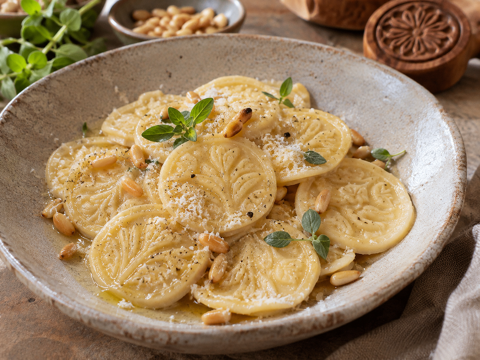
Course: First Course / Pasta - Cuisine: Ligurian, Italian; Serves: 8. Prep: approx. 40–45 min. Rest: 30 min. Cook: 4–5 min. Total: approx. 1 hr 15 min–1 hr 20 m...
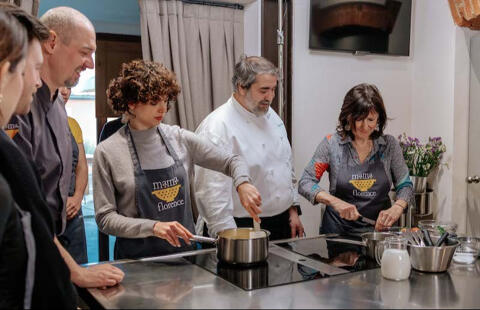
Come join us for a fantastic hands-on cooking class focused on authentic, regional Tuscan specialties
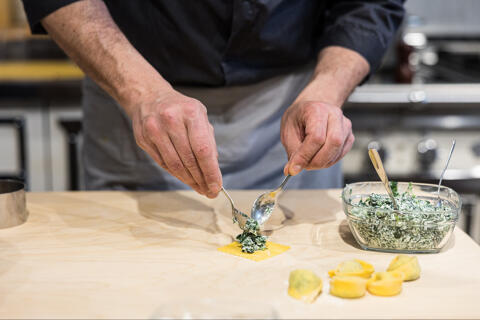
Come join us for a fantastic hands-on cooking class focused on authentic, regional Tuscan specialties
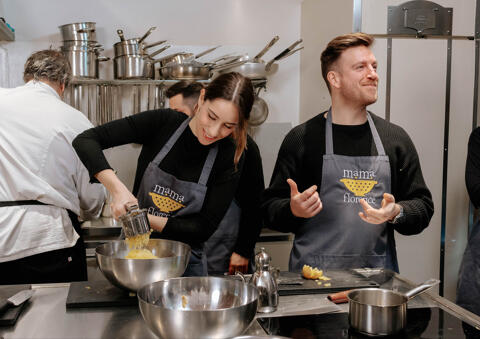
With so many of Italy’s dishes already gluten-free your chef will tell you about the benefits of having at least some of...
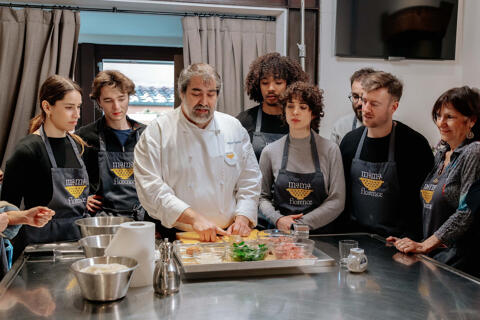
Unmissable pasta journey to discover the traditional flavors of Tuscany and Florence
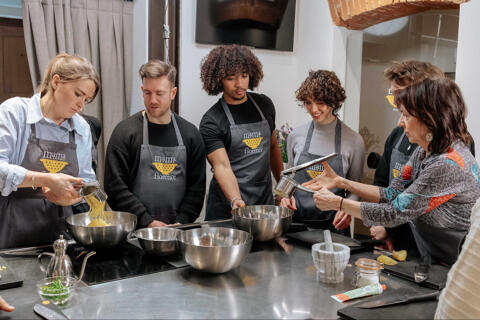
Learn Tuscan traditions and cuisine on a tour, then attend a hands-on cooking class at MaMa Florence Cooking School to l...
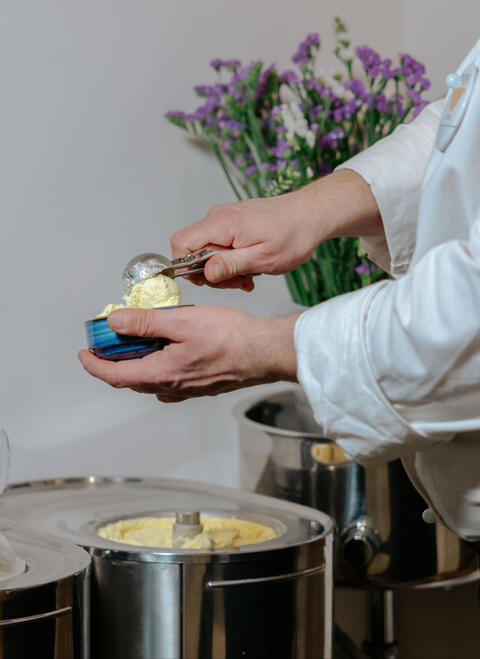
Italian gelato and traditional biscotti, hands-on, under expert guidance. Fresh, seasonal ingredients.