Crostini di Fegatini: A Tuscan Table Classic
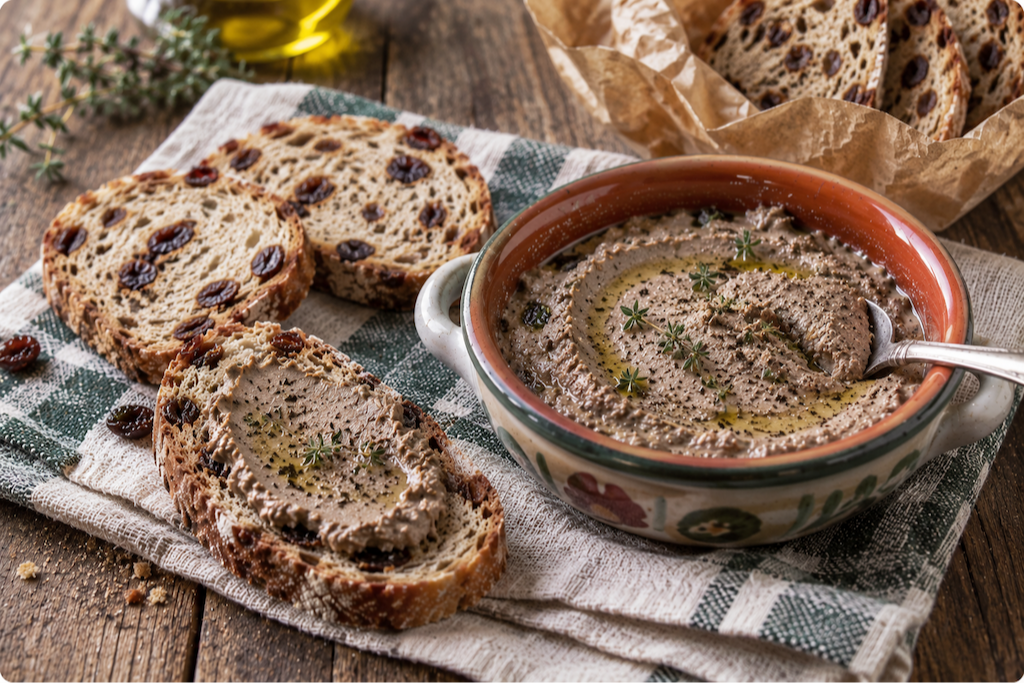
Few appetizers feel more distinctly Tuscan than crostini di fegatini. Chicken liver is cooked with onion, bay leaf, olive oil, and Vin Santo, then blended with butter and cream until smooth enough to spread generously over bread. This version begins with that familiar Tuscan idea and takes it somewhere slightly more polished. Instead of ordinary toasted country bread, the pâté is served on fresh raisin bread, where the sweetness of the fruit meets the savory depth of liver, butter, and wine. It is a pairing built on contrast: velvety pâté, warm bread, sweet raisins, savory liver, and just enough Vin Santo to pull the two sides together.
How to Make Tuscan Chicken Liver Pâté & Raisin Bread
The pâté begins with onion and bay leaf softened gently in extra virgin olive oil. The chicken livers are cleaned carefully, added to the pan, and cooked first for about five minutes before being seasoned with salt and deglazed with Vin Santo. Once the wine has reduced and the alcohol has evaporated, the livers continue cooking for another 10–15 minutes until fully cooked and tender. While everything is still warm, the mixture is transferred to a blender with butter and heavy cream and processed until completely smooth. The source also offers two optional additions for more complexity: a few capers or one anchovy fillet. Neither is required, but both can sharpen the savory character of the pâté.
Chicken Liver Pâté Ingredients:
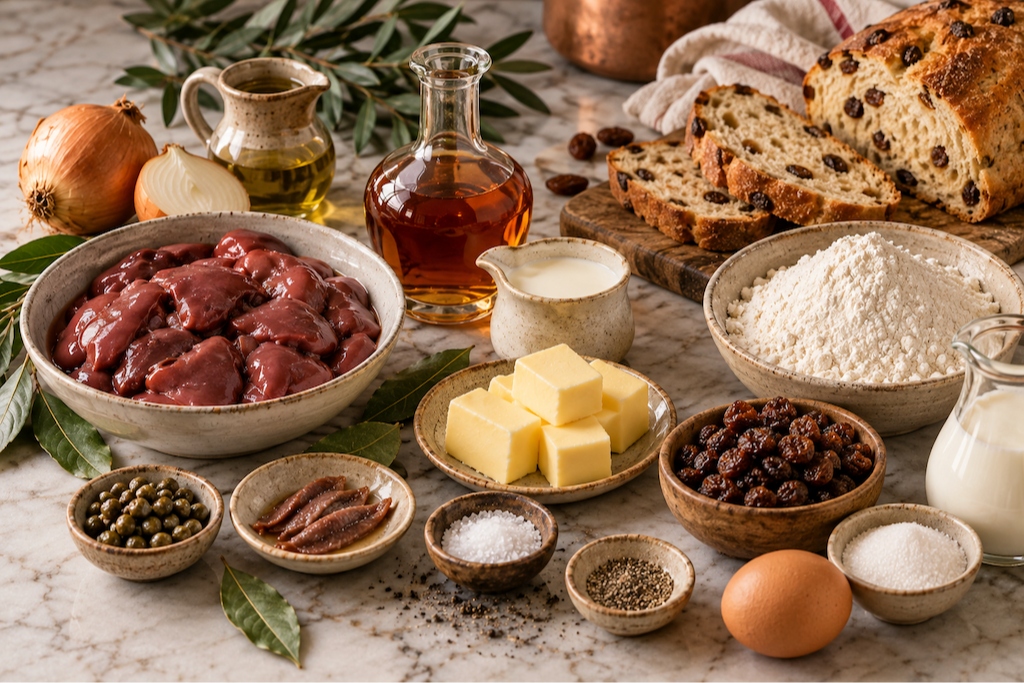
• 300 gr chicken liver • 1 onion • ½ cup Vin Santo • 75 gr heavy cream • 200 gr butter • 1 bay leaf • Extra virgin olive oil, as needed • Salt, as needed • A few capers, optional • 1 anchovy fillet, optional
Raisin Bread Ingredients:
• 250 gr all-purpose flour • 125 gr raisins • 20 gr granulated sugar • 125 gr milk • 12 gr instant yeast• 1 egg • Fine salt, a pinch • 200 gr butter • Extra virgin olive oil, for greasing the loaf pan
Mama’s Secret: Blend the pâté while the liver mixture is still warm. The butter and cream incorporate more smoothly, giving the finished spread a silkier texture.
How to Make Tuscan Chicken Liver Pâté
1. Prepare the Onion and Chicken Livers
- Peel the onion and slice it finely.
- Trim any attached fat from the chicken livers, rinse them carefully under cold water, and pat them dry with paper towels.
2. Cook the Aromatics
- Heat a generous drizzle of extra virgin olive oil in a medium sauté pan over medium heat.
- Add the sliced onion and bay leaf.
- Cook for several minutes, stirring occasionally, until the onion has softened and the aromatics have infused the oil.
3. Cook the Chicken Livers
- Add the chicken livers to the pan.
- Cook for approximately 5 minutes, allowing them to take on flavor from the onion and bay leaf.
- Season lightly with salt.
4. Add the Vin Santo
- Pour in the Vin Santo and allow it to simmer until the liquid has reduced and the alcohol has evaporated.
- Continue cooking the livers for another 10–15 minutes, until fully cooked and tender.
5. Blend the Pâté
- Remove the pan from the heat.
- While the mixture is still warm, transfer the liver, onions, and cooking juices to a sturdy blender.
- Add the butter and heavy cream and blend until the mixture is completely smooth and silky.
- For additional depth, add a few capers or one anchovy fillet if desired.
- Taste and adjust the seasoning.
- Set the pâté aside to cool before serving.
How to Make Raisin Bread for Crostini
1. Prepare the Dry Ingredients
- In a large mixing bowl, combine the all-purpose flour, raisins, granulated sugar, and a pinch of fine salt.
- Mix well so the raisins are evenly distributed.
2. Prepare the Wet Ingredients
- Melt the butter gently over low heat.
- Whisk in the egg.
- Warm the milk in a separate small saucepan until just above room temperature, then remove it from the heat.
- Add the warm milk to the butter-and-egg mixture.
- Sprinkle in the instant yeast and allow it to dissolve completely.
3. Make the Dough
- Pour the butter, egg, milk, and yeast mixture into the bowl of flour and raisins.
- Mix until a cohesive dough forms.
4. Let the Bread Rise
- Lightly grease a loaf pan with extra virgin olive oil.
- Transfer the dough to the prepared pan and cover it.
- Leave it in a warm, draft-free place for 30–45 minutes, or until it has doubled in size.
5. Bake the Raisin Bread
- Preheat the oven to 180°C / 356°F.
- Place a small pan of water at the base of the oven to create humidity. This helps the bread develop a tender crumb as it bakes.
- Bake for approximately 15–20 minutes, or until the loaf is golden and cooked through.
- Remove from the oven and allow it to cool before slicing.
How to Assemble the Crostini
- Once the raisin bread has cooled, cut it into even slices.
- Warm the slices gently before serving so the bread is soft and fragrant rather than cold.
- Arrange the warm bread on a serving platter.
- Using two teaspoons, shape the chicken liver pâté into small quenelles or neat dumplings and place one on each slice.
- Serve immediately.
- This is more than simply pâté on toast. The warm raisin bread brings a subtle sweetness that softens the liver’s richness without taking away its savory character.
Why Raisin Bread Works with Chicken Liver Pâté
Chicken liver pâté is intensely savory, creamy, and slightly earthy. Raisin bread introduces sweetness in a way that feels integrated rather than decorative. The dried fruit mirrors the richer, dried-fruit character often associated with Vin Santo, while the soft crumb gives the pâté something substantial enough to sit on. The result is a more layered version of classic crostini di fegatini: recognizably Tuscan in flavor, but elegant enough to work as a composed antipasto or centerpiece for a brunch or light meal.
Wine Pairings for Crostini di Fegatini
Vin Santo
- For the most Tuscan pairing, the source recommends Vin Santo.
- Its sweetness, dried-fruit character, and herbal notes work naturally with both the savory pâté and the raisins in the bread. Vin Santo already plays a role inside the recipe, so serving it alongside the finished crostini creates continuity rather than introducing a completely new flavor.
- It is also one of Tuscany’s most recognizable traditional wines, particularly through its classic pairing with Prato-style cantucci.
Merlot-Based Super Tuscan
- For a red wine pairing, the source suggests a Merlot-based Super Tuscan.
- Merlot’s softer tannic structure can sit comfortably beside the richness of the pâté without making the liver taste harsher or more metallic.
Orange Wine
- For something more adventurous, the source also recommends orange wine. Its skin-contact structure and more complex, earthy profile can work especially well with the deeper savory notes of the chicken liver.
The Perfect Bite
The first thing you should notice is texture: warm raisin bread underneath a pâté smooth enough to give immediately under the fork. Then the flavors begin to separate. The liver is deep and savory, softened by butter and cream, with the sweetness of Vin Santo sitting quietly behind it. The raisins in the bread answer that sweetness from another direction, while the onion and bay leaf keep the overall flavor firmly rooted in something savory and Tuscan. The best bite catches both together: a little sweet bread, a generous amount of pâté, and enough contrast to make the richness feel balanced rather than heavy.
More Tuscan Recipes to Explore
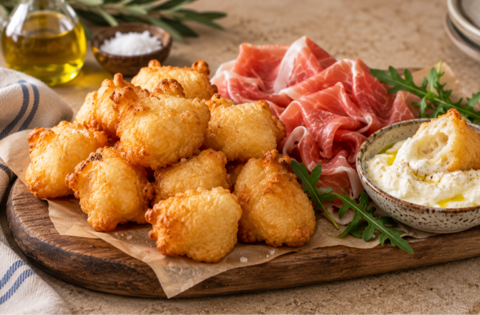
If the Vin Santo pairing is what draws you in, our Prato-Style Cantucci shows the wine in its most familiar Tuscan pairing, alongside twice-baked almond biscuits. For another traditional Tuscan antipasto, Fresh Florentine Coccoli moves in a completely different direction: fried dough served with Stracchino and prosciutto, but built on the same instinct for simple ingredients and strong contrasts. And for a broader look at the region’s cooking, Mama Florence’s Tuscan recipe collection moves from appetizers like these into fresh pasta, slow-cooked mains, vegetables, and traditional desserts.
Learn Traditional Tuscan Cooking in Florence
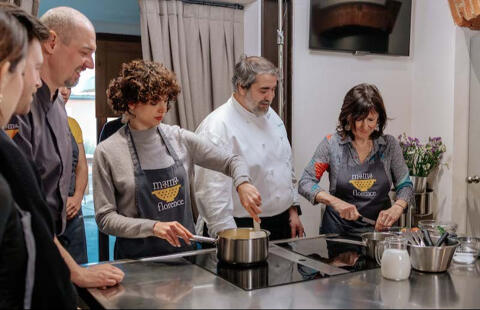
Crostini di fegatini belong naturally in the world explored through our Tuscan Traditional Cooking Course, where the focus is on regional dishes, local ingredients, and the techniques behind a full Tuscan menu from appetizer through dessert.
For an even closer connection to the ingredients themselves, the Florence Market Tour & Traditional Tuscan Cooking Class begins among Florence’s market stalls before moving into the kitchen for a hands-on traditional menu. A recipe like this explains why those ingredient choices matter. The liver, onion, wine, bread, and dried fruit are all familiar ingredients; the quality of the finished dish comes from how deliberately they are handled.
Tuscan Chicken Liver Pâté & Raisin Bread FAQ
Q: What are crostini di fegatini? A: Crostini di fegatini are a traditional Tuscan appetizer made by serving seasoned chicken liver pâté or liver spread on bread.
Q: What wine is used in this chicken liver pâté? A: This recipe uses ½ cup Vin Santo.
Q: How long do the chicken livers cook? A: They cook for about 5 minutes initially, then another 10–15 minutes after the Vin Santo has been added and reduced.
Q: Can I add capers or anchovy to the pâté? A: Yes. The source suggests adding a few capers or one anchovy fillet if you want additional savory complexity.
Q: Why is this pâté served with raisin bread? A: The raisins add a gentle sweetness that complements the rich liver and echoes the dried-fruit character of Vin Santo.
Q: How long should the raisin bread rise? A: Allow it to rise for 30–45 minutes, or until the dough has doubled in size.
Q: Why put a pan of water in the oven? A: The source uses the pan of water to create humidity while the loaf bakes, helping the bread retain a tender crumb.
Q: What wine should I serve with chicken liver crostini? A: The source recommends Vin Santo for a classic Tuscan pairing, a Merlot-based Super Tuscan for a red option, or an orange wine for a more adventurous pairing.
Q: Can this be served as more than an appetizer? A: Yes. The source specifically suggests that the combination can also work as a brunch centerpiece or light meal.
Disclaimer
Please note that our chefs may adapt recipes according to seasonal ingredient availability and participants’ dietary or allergy requirements. As a result, the ingredients, preparation, or presentation shown in this recipe may vary from what you prepared during your Mama Florence class. In some cases, elements of a dish may also appear as separate recipes — for example, the fresh pasta you prepared may be paired here with a different sauce, while the sauce from your class may appear in another recipe. Please reach out to our team if any confusion arises. Thank you — the Mama Florence Family.