What Is Fettunta? Tuscan Olive Oil Bread and the Tradition of Olio Nuovo | Mama Florence Cooking School
What Is Fettunta? Tuscany's Olive Oil Bread
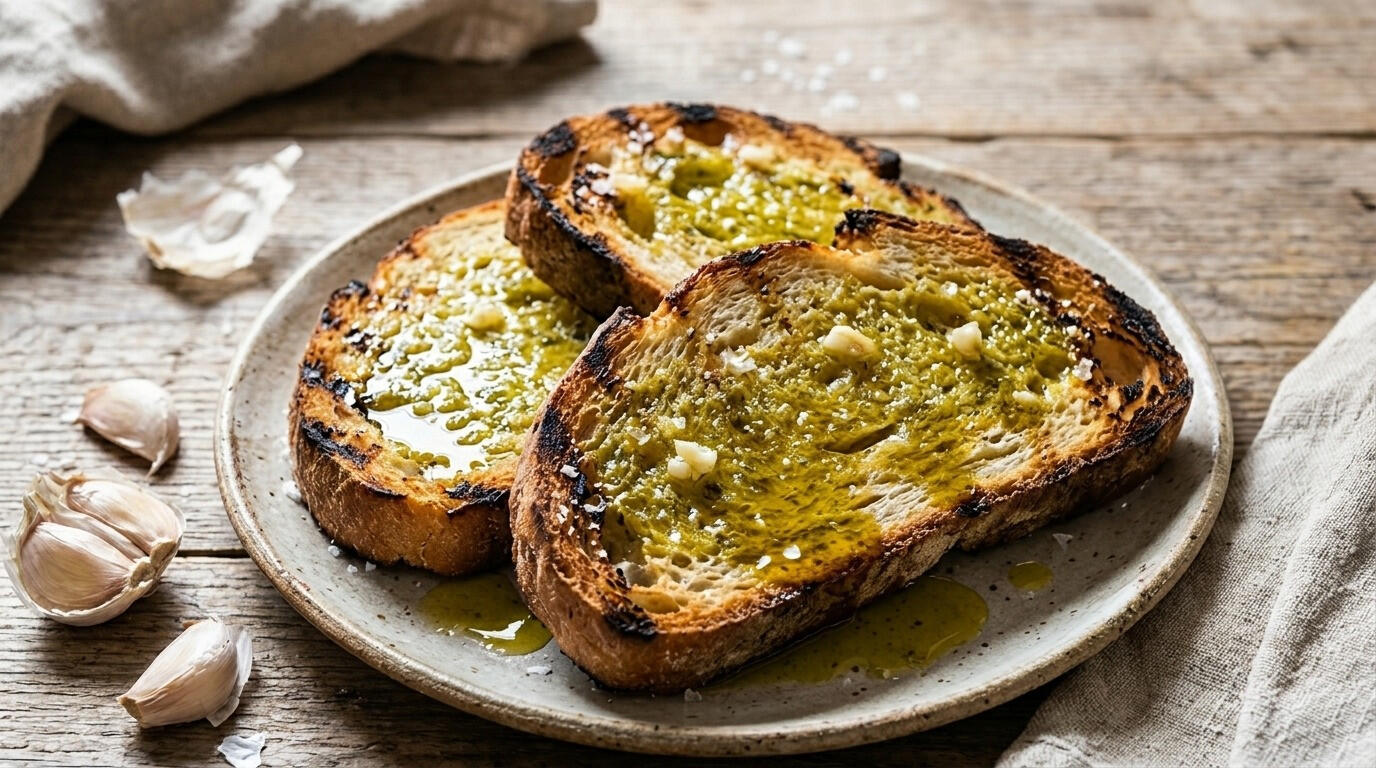
Fettunta is one of those Tuscan dishes that seems almost too simple to need an explanation: thick Tuscan bread toasted until crisp, rubbed with raw garlic while still warm, then generously dressed with extra virgin olive oil, salt, and pepper. And the simplicity is the point.
Even the name tells the story. Fettunta, sometimes written fetta unta, essentially means an "oiled slice" - fetta for slice and unta for oiled or greased. And while calling it Tuscan garlic bread is useful outside Italy, Fettunta bears little resemblance to the buttery, heavily seasoned garlic bread the phrase might bring to mind. There is no garlic butter and no blanket of cheese. The garlic is rubbed directly against the rough surface of the toast, while the olive oil is allowed to remain the dominant flavor.
Traditionally eaten as a simple snack or served as a Tuscan antipasto, la Fettunta can be made throughout the year. But there is one moment when this modest piece of toast becomes something much bigger: the arrival of olio nuovo, the intensely fresh olive oil of the new harvest.
Olio Nuovo: the New Olive Oil
What is olio nuovo? Literally "new oil," olio nuovo is extra virgin olive oil produced from freshly harvested olives and enjoyed soon after pressing. During the Tuscan olive harvest, usually in autumn, mills begin pressing the year’s crop and the resulting oil arrives at the table vivid, fragrant, and unmistakably young. This fresh harvest olive oil can be grassy and intensely fruity, with pronounced bitterness and a peppery finish that may catch unexpectedly at the back of the throat.
Those characteristics are not flaws to be softened. They are part of what makes freshly pressed Tuscan extra virgin olive oil so exciting. Bitterness and pungency are among the sensory characteristics associated with quality EVOO, and our guide to extra virgin olive oil explores why those fruity, bitter, and peppery notes matter.
Fettunta gives olio nuovo perhaps its perfect stage. Warm toasted bread absorbs the oil without burying it beneath other ingredients; raw garlic brings heat and fragrance; salt sharpens everything around it. The bread is not there to tame the new oil. It is there to let you taste it.
That is why Fettunta during the olive harvest feels less like following a recipe and more like marking a moment in the Tuscan year. Each harvest tastes slightly different. The olives change, the weather changes, the pressing changes - and for a few weeks, a piece of bread becomes one of the simplest ways to taste the season itself.
What Is Tuscan Bread? Pane Toscano and the Bread Beneath Fettunta
The other half of the equation is Tuscan bread, or pane toscano. Most famously, traditional Tuscan bread is made without salt, earning it the name pane sciocco - literally "silly" or "foolish" bread. Its mild flavor makes considerably more sense once it reaches the Tuscan table, where it is paired with assertive cured meats, cheeses, soups, garlic, and peppery olive oil.
In Fettunta, that restraint becomes an advantage. Pane toscano does not compete with the olive oil; it absorbs it. Once toasted, its rough crust and open surface also give the cut garlic something to catch against, so the bread itself effectively becomes the grater.
The same Tuscan bread appears again and again in the resourceful traditions of cucina povera, the cooking of ordinary households that learned to make full use of inexpensive, seasonal ingredients. Yesterday's bread might become Pappa al Pomodoro, Panzanella, Ribollita, or simply toast transformed with garlic and good oil. Bread was not discarded because it had gone stale; another preparation was waiting for it.
For Fettunta, however, the toast still needs some life left in it. Toast the bread enough to create a crisp, rough surface for the garlic, but not until it becomes completely dry. The goal is to create a Tuscan bread sturdy enough to grab the garlic and generous olive oil while remaining capable of absorbing both.
How to Make Fettunta: The Technique Behind Tuscan Garlic Bread
The technique behind Fettunta is tiny, but the details matter. Thick slices of Tuscan bread are toasted until crisp and marked, but not burnt. A whole clove of garlic is rubbed directly over the warm surface, followed by a generous pour of extra virgin olive oil, salt, and pepper.
Warmth matters because the rough, freshly toasted bread catches the garlic and releases its fragrance without requiring chopped or crushed garlic. The olive oil should be generous enough to soak into the toast rather than sit timidly on top. During the olive harvest, olio nuovo turns that simple preparation into one of the clearest ways to taste fresh harvest olive oil.
From Cucina Povera to a Tuscan Olive Harvest Ritual
Fettunta sits comfortably inside cucina povera: the resourceful cooking of ordinary Tuscan households, where bread, beans, vegetables, olive oil, and whatever the season provided had to carry a meal. It is economical without being meager, built from ingredients that were ordinary precisely because they belonged to the landscape around them.
But Fettunta has another identity when the first Tuscan extra virgin olive oil of the season arrives. What begins as practical Tuscan garlic bread becomes an olive harvest ritual. The point is no longer simply to make old bread delicious. It is to understand the oil - this year's olives, this year's pressing, this year's balance of fruit, bitterness, and pepper.
That movement from everyday food to seasonal ritual may be the most interesting thing about la Fettunta. Tradition does not always survive because a recipe remains frozen in time. Sometimes it survives through the innovation of taking something new and blending it with what's been done, and done well.
Fettunta vs Bruschetta: What's the Difference?
Fettunta and bruschetta are close relatives, but they are not interchangeable names for the same dish. Both begin with toasted bread, garlic, and olive oil, yet Fettunta is specifically associated with Tuscany and traditionally keeps the focus on Tuscan bread and extra virgin olive oil. Bruschetta is a broader Italian category of grilled or toasted bread that can carry many different toppings.
The distinction becomes easiest to see beside tomato bruschetta. Tomatoes, basil, vegetables, beans, cheeses, or other toppings may turn bruschetta into a more elaborate antipasto; traditional Fettunta needs none of them. Especially during the Tuscan olive harvest, adding more can defeat the purpose. Olio nuovo is meant to be the thing you notice first.
Taste Fettunta and Tuscan Olive Oil at Mama Florence
At Mama Florence, Fettunta offers one of the clearest introductions to the logic of Tuscan cooking: good Tuscan bread, garlic, and extra virgin olive oil do not need much interference when each ingredient is worth tasting. Our Private Italian Olive Oil Experience explores that relationship through a guided tasting of regional extra virgin olive oils, from how they are produced to the aromas, bitterness, pepper, and defects that reveal what is actually in the glass.
Sometimes understanding a cuisine begins with almost nothing at all - warm bread, raw garlic, fresh Tuscan olive oil, and the moment the new harvest reaches the table.