Sauce
Fresh Basil Pesto Recipe: Homemade Italian Pesto | Mama Florence Cooking School
Course: Sauce / Condiment - Cuisine: Italian; Serves: 4. Prep: approx. 10–15 min, Rest: 15–20 min. Total: approx. 25–35 min.
Course: Sauce / Condiment - Cuisine: Italian; Serves: 4. Prep: approx. 10–15 min, Rest: 15–20 min. Total: approx. 25–35 min.
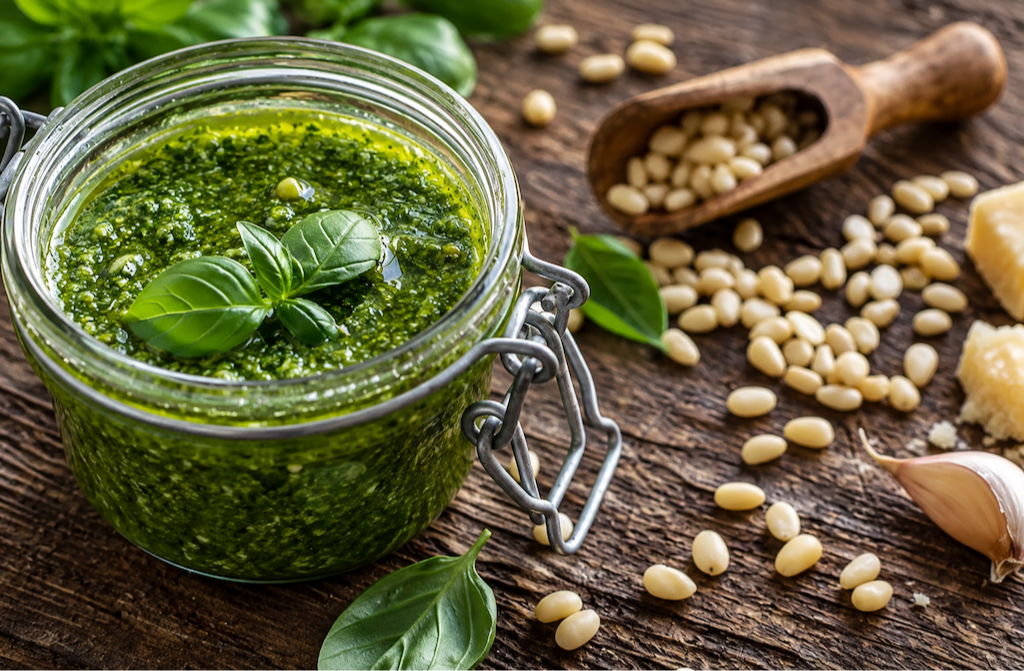
Pesto is an Italian sauce built around fresh basil, olive oil, garlic, nuts, and aged cheese.
The name comes from the Italian verb pestare, meaning to pound or crush - a reference to the traditional mortar-and-pestle method used to work the ingredients together. This Mama Florence version uses a mixer for a quicker preparation and combines pine nuts and whole almonds, giving the sauce a little more body while preserving the fresh basil flavor. It is rich without needing to be heavy, which is why a relatively small amount can coat an entire bowl of pasta.
Few ingredients announce themselves quite like fresh basil. Crush or blend the leaves with garlic, nuts, cheese, and good olive oil, and that unmistakable perfume appears almost immediately - green, peppery, and intensely fresh.
At Mama Florence Cooking School, our basil pesto combines pine nuts and almonds with Parmigiano, Pecorino Romano, garlic, and extra-virgin olive oil. The result is creamy enough to coat pasta while still keeping the basil firmly at the center. And once the pesto is made, dinner is nearly there. Toss it through freshly cooked pasta, finish with a little Parmigiano, and let the sauce do the rest.
Ingredients
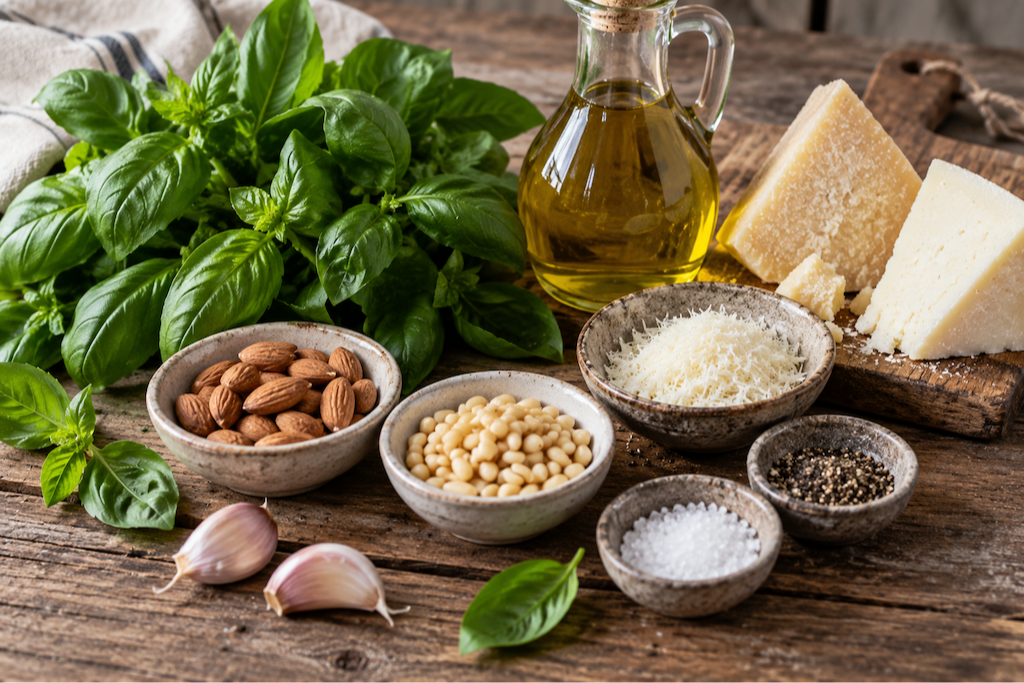
• 125 gr fresh basil leaves • 25 gr whole almonds • 25 gr pine nuts • 200 ml extra-virgin olive oil • 50 gr freshly grated Parmigiano • 50 gr Pecorino Romano • 2 garlic cloves • Salt, to taste • Black pepper, to taste
Mama’s Secret: Dry the basil well before mixing it. Water left clinging to the leaves can dilute the pesto and interfere with that rich, creamy texture. Once the sauce is ready, finish the surface with a little extra-virgin olive oil and let it rest for 15–20 minutes before using.
1. Prepare the Basil
2. Blend the Pesto
3. Let the Pesto Rest
Pine nuts bring richness and a soft, buttery character to pesto, while almonds give the sauce a little more body and nuttiness. Our recipe uses 25 gr of each, rather than relying on one nut alone. Together with Parmigiano and Pecorino Romano, they create a sauce that feels full and creamy before the pasta ever reaches the bowl.
Fresh basil begins to oxidize once it is cut or blended, which can gradually darken the sauce. Our method transfers the finished pesto to a bowl and adds a little extra-virgin olive oil over the surface before resting it for 15–20 minutes. Keeping the pesto covered with oil reduces its exposure to air and helps protect the fresh color and aroma until you are ready to use it.
Good pesto should arrive before you even taste it. The basil gives you that first rush of green fragrance, followed by garlic, toasted nuttiness, salty cheese, and the softness of extra-virgin olive oil. On fresh pasta, the sauce should cling rather than pool. Each ribbon picks up enough pesto to carry all those flavors at once without losing the texture of the pasta underneath.
“Pesto” can describe several sauces prepared by crushing or blending ingredients together, while Pesto Genovese refers more specifically to the celebrated basil pesto tradition associated with Genoa and Liguria. Our recipe on this page is our fresh basil pesto, made with both pine nuts and almonds and prepared in a mixer. That distinction lets us respect the Ligurian tradition without pretending every green basil pesto is identical.
Pesto works best with pasta that gives the sauce somewhere to settle.
Our Fresh Egg Tagliatelle is an easy pairing: the long, broad ribbons catch the basil, nuts, cheese, and olive oil beautifully. Fresh pasta also gives you a chance to build the whole dish from scratch rather than treating the pesto as something added at the very end. And if you are exploring Italian pasta traditions more broadly, our Tortelli di Patate moves in a completely different direction, pairing filled pasta with butter and sage rather than a fresh herb sauce.
If this pesto is heading toward pasta, start with our Fresh Egg Tagliatelle and make the entire dish by hand. For another recipe where olive oil and a handful of simple ingredients do most of the work, try our Panzanella, Tuscany’s bread-and-tomato salad with basil, cucumber, red onion, and extra-virgin olive oil. Or move from pasta to dough with our Fresh Italian Pizza Dough, another recipe that proves how much can happen with a short ingredient list and a little technique.
Pesto may be quick to make, but learning how its texture should actually feel - how much to blend it, when the olive oil is enough, and how to marry it properly with pasta — is easier when you can see and taste the changes as they happen.
Join our Pesto and Pasta Cooking Class at Mama Florence Cooking School, where fresh pasta and pesto come together at the same table.
Q: What is fresh basil pesto made from? A: This Mama Florence recipe uses fresh basil, almonds, pine nuts, extra-virgin olive oil, Parmigiano, Pecorino Romano, garlic, salt, and black pepper.
Q: Does pesto always contain pine nuts? A: Recipes vary. This version uses both 25 g pine nuts and 25 g whole almonds.
Q: How much basil do I need for homemade pesto? A: This recipe uses 125 g fresh basil leaves for four servings.
Q: Why does pesto turn dark? A: Fresh basil oxidizes after it is cut or blended. Covering the surface of the pesto with a little extra-virgin olive oil helps reduce its exposure to air.
Q: Should pesto be cooked before adding it to pasta? A: Not in this recipe. Prepare the pesto separately, place it in a serving bowl, then toss it with the hot drained pasta.
Q: How long should homemade pesto rest? A: The Mama Florence recipe lets the finished pesto rest for 15–20 minutes before using.
Q: What pasta goes well with basil pesto? A: Many pasta shapes work, but fresh ribbons are particularly good at carrying the sauce. Try it with our Fresh Egg Tagliatelle.
Q: Is this recipe Pesto Genovese? A: This is Mama Florence’s fresh basil pesto recipe, made with both almonds and pine nuts. Pesto Genovese refers more specifically to the traditional Ligurian preparation associated with Genoa.
Please note that our chefs may adapt recipes according to seasonal ingredient availability and participants’ dietary or allergy requirements. As a result, the ingredients, preparation, or presentation shown in this recipe may vary from what you prepared during your Mama Florence class. In some cases, elements of a dish may also appear as separate recipes. Please reach out to our team if any confusion arises. Thank you - the Mama Florence Family
4.9 9 reviews
Cooked it following along on a phone in a very small kitchen and never had to scroll back and forth. That matters more than people admit.
Made this for a big group and doubled everything. The proportions scaled fine, my equipment did not, and I ended up splitting it in two halfway through. The two halves came out slightly different, which was oddly interesting. Nobody noticed but me.
It kept in the fridge for four days in a sealed jar with no problem.
Cooked it for eight and most of the work happened the day before, which is exactly what you want when you are hosting.
More recipes and stories from our kitchen
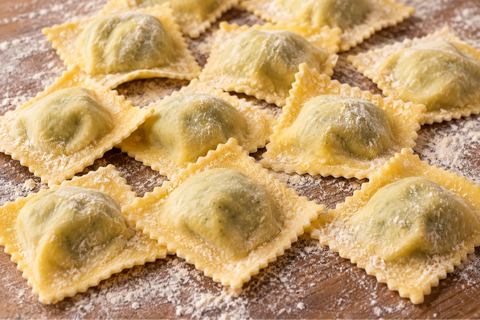
Course: Pasta / Main Course - Cuisine: Tuscan, Italian; Serves: 4. Prep: approx. 35–40 min, Rest: 30 min, Cook: 2–3 min. Total: approx. 1 hr 10 min.
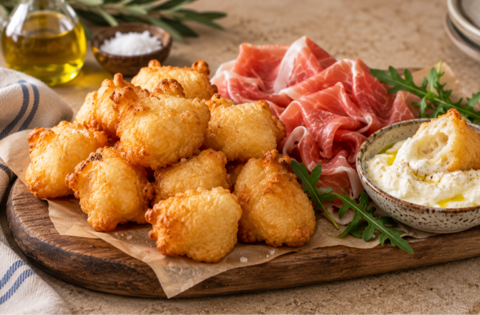
Course: Appetizer / Aperitivo - Cuisine: Florentine, Tuscan, Italian; Serves: 6. Prep: approx. 15 min, Rest: 1 hr, Fry: approx. 15–20 min. Total: approx. 1 hr 3...
Course: Dessert - Cuisine: Italian; Serves: 6. Prep: approx. 20 min, Cook: approx. 10–15 min, Infuse: 15 min, Chill: approx. 20 min, Rest: 2–3 hrs, Churn: appro...
Come join us for a fantastic hands-on cooking class focused on authentic, regional Tuscan specialties
Come join us for a fantastic hands-on cooking class focused on authentic, regional Tuscan specialties
With so many of Italy’s dishes already gluten-free your chef will tell you about the benefits of having at least some of...
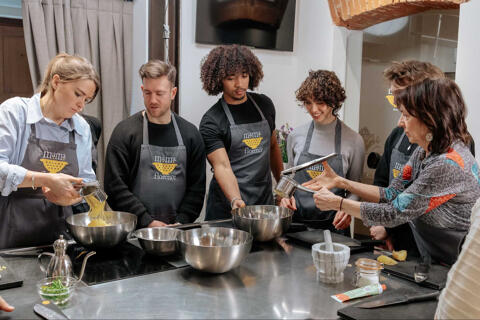
Learn Tuscan traditions and cuisine on a tour, then attend a hands-on cooking class at MaMa Florence Cooking School to l...
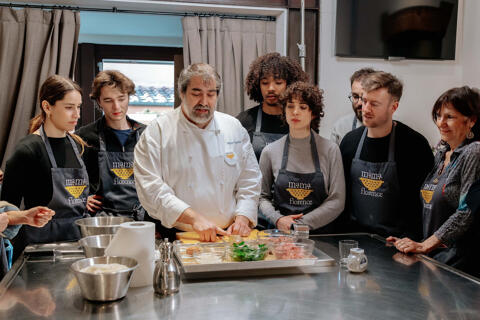
Unmissable pasta journey to discover the traditional flavors of Tuscany and Florence
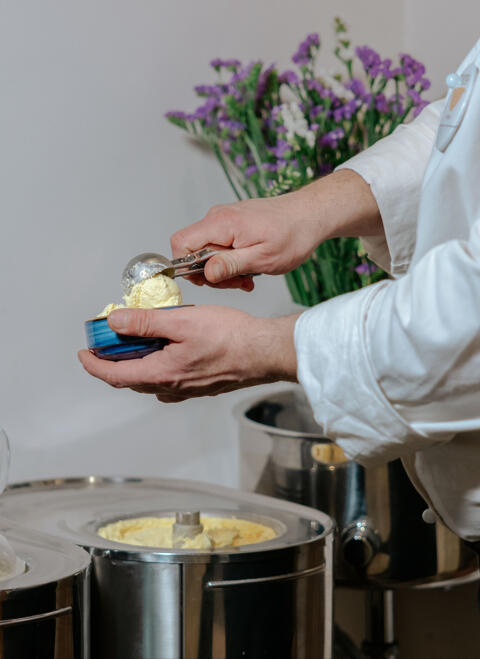
Italian gelato and traditional biscotti, hands-on, under expert guidance. Fresh, seasonal ingredients.