5 Iconic Roman Pasta Dishes You Must Try
1. Cacio e Pepe
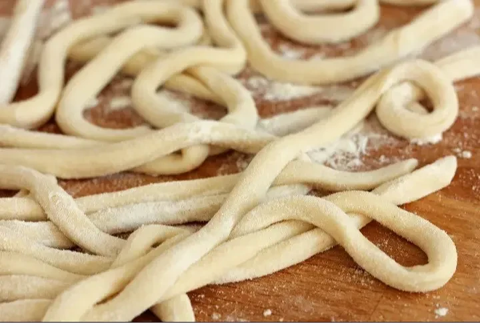
Cacio e Pepe, literally translating to "cheese and pepper," is the epitome of simplicity and taste. This dish features tonnarelli or spaghetti tossed with Pecorino Romano cheese and freshly ground black pepper. The secret lies in the starchy pasta water, which, when mixed with the cheese and pepper, creates a creamy sauce without the need for cream or butter. Cacio e Pepe is a perfect example of how minimal ingredients can come together to create something extraordinary. Despite its richness, this dish is relatively light, offering a good balance of carbohydrates and protein from the cheese.
2. Carbonara
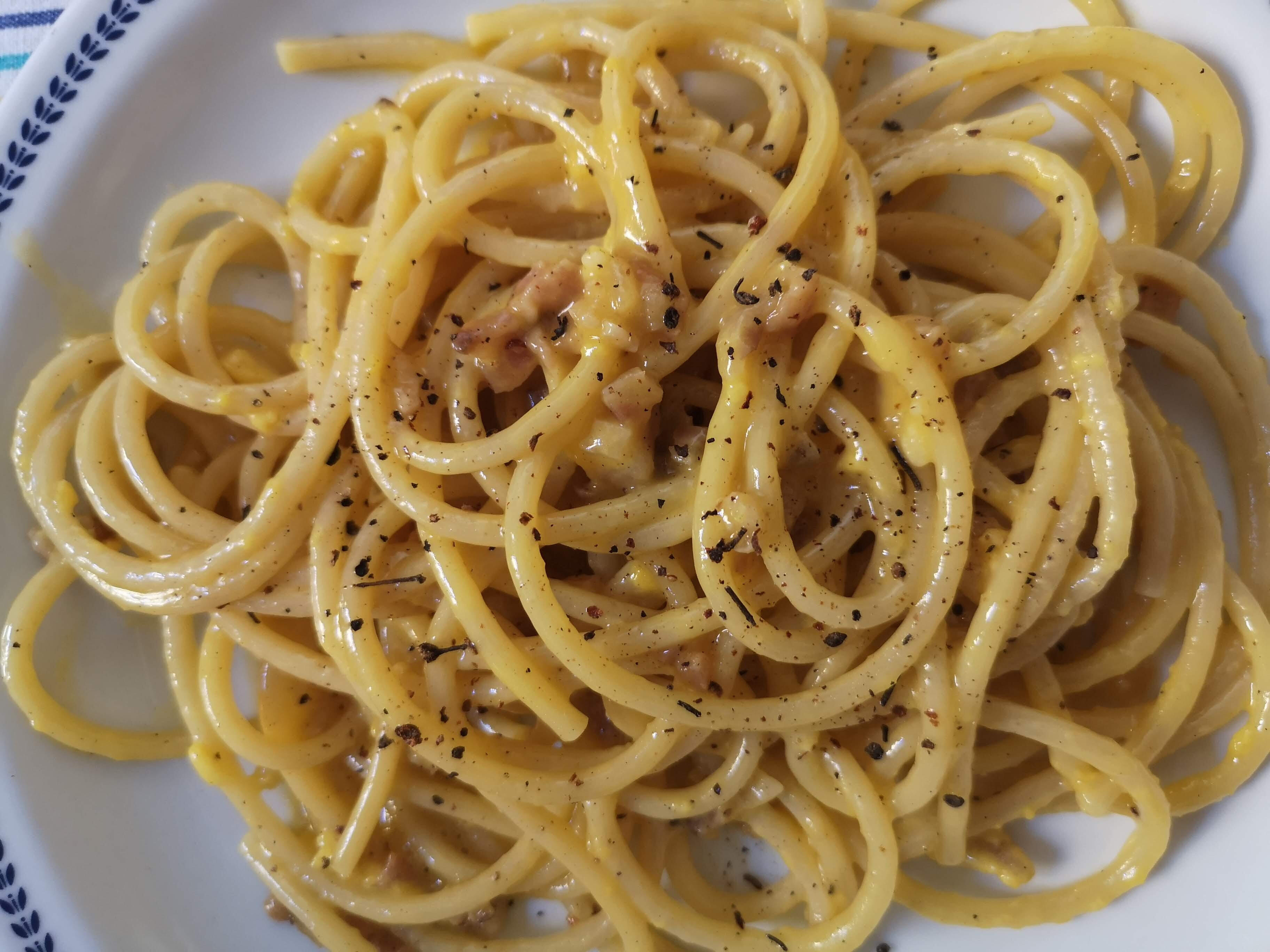
Carbonara is perhaps the most internationally recognized Roman pasta dish, yet its origins remain fiercely debated. This dish traditionally uses guanciale (cured pork jowl), eggs, Pecorino Romano, and black pepper. Spaghetti is the typical pasta choice, though rigatoni or other shapes are also used. The magic of Carbonara comes from the way the raw eggs are mixed with the hot pasta, forming a silky sauce that clings to each strand. No cream is involved—just rich, hearty flavors from the guanciale and cheese. This dish is rich in protein from the eggs and guanciale, making it a hearty and satisfying meal.
3. Amatriciana
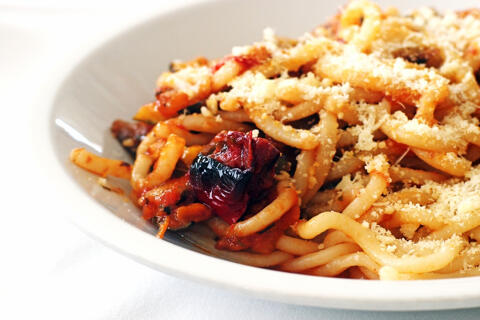
Amatriciana is another Roman classic with roots in the town of Amatrice, just outside Rome. The dish consists of guanciale, tomato, and Pecorino Romano cheese, all combined to create a rich, tangy sauce. Traditionally served with bucatini, a thick spaghetti-like pasta with a hole running through the center, Amatriciana balances the saltiness of the guanciale with the acidity of the tomatoes, creating a perfect harmony of flavors. The tomatoes in Amatriciana add a dose of antioxidants, particularly lycopene, which is known for its heart health benefits.
4. Gricia
Often referred to as the "white Amatriciana," Pasta alla Gricia is a precursor to both Amatriciana and Carbonara. This dish also features guanciale and Pecorino Romano but omits the tomatoes found in Amatriciana and the eggs from Carbonara. Gricia is a celebration of simplicity, relying on the quality of its few ingredients. The rendered fat from the guanciale coats the pasta, and the Pecorino Romano adds a salty, tangy kick. This dish is rich in calcium from the Pecorino Romano, making it a flavorful option that also contributes to bone health.
5. Fettuccine Alfredo (Roman-style)
While Fettuccine Alfredo is often associated with Italian-American cuisine, its origins lie in Rome. The Roman version is much simpler than its creamy American counterpart. The dish was created by Alfredo di Lelio in the early 20th century and consists only of fresh fettuccine, butter, and Parmigiano-Reggiano cheese. When mixed, the butter and cheese form a rich sauce that coats the pasta beautifully. Unlike the versions found outside of Italy, the Roman Fettuccine Alfredo is all about the delicate balance of fresh ingredients. This dish, though rich, offers a good balance of fats and carbohydrates, providing a satisfying and comforting meal.
Learning to Make These Dishes at Mama Florence
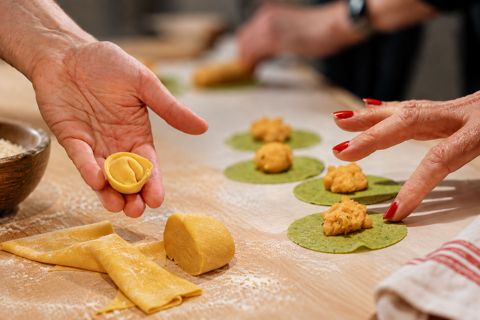
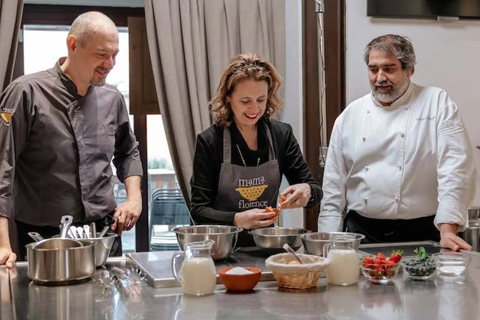
If you’re inspired by these iconic Roman pasta dishes and want to learn how to make them yourself, Mama Florence offers hands-on cooking classes that teach you the authentic techniques. In these classes, experienced chefs guide you through each step, ensuring that you can recreate these classics at home with confidence. You’ll learn not just the recipes, but also the importance of ingredient selection, timing, and traditional methods that make Roman cuisine so special.
Bringing Roman Cuisine to Your Kitchen
Making these dishes at home is not only a way to enjoy their rich flavors but also a chance to appreciate their nutritional benefits. From the protein-packed Carbonara to the antioxidant-rich Amatriciana, these dishes can be both delicious and nourishing. Whether you're a beginner or an experienced cook, the skills you learn at Mama Florence will allow you to bring a taste of Rome into your kitchen, impressing friends and family with your newfound culinary prowess.