Vanilla in Italian Cuisine: Types, Flavors, and Practical Uses
Have you ever wondered why traditional Italian desserts have such an inviting, comforting aroma? Beyond fresh eggs, rich butter, and citrus zest, one ingredient quietly ties everything together: natural vanilla.
From silky panna cotta to festive leavened treats like panettone, vanilla is a cornerstone of authentic Italian pastry (pasticceria). Just a pinch of high-quality vanilla seeds or a gentle infusion can elevate simple ingredients into an unforgettable dessert.
In this guide, the culinary team at MaMa Florence breaks down the different varieties of vanilla, how to select top-quality pods, and the best ways to use them in your home kitchen.
Why Is Vanilla Essential in Italian Baking?
Vanilla does more than just add flavor—it acts as a natural enhancer. In Italian cuisine, where simple, high-quality ingredients take center stage, vanilla balances the richness of milk, cream, and egg yolks.
Whether you are crafting a classic Italian custard (crema pasticciera) or baking delicate cookies, natural vanilla adds depth, aroma, and a subtle warmth that synthetic substitutes simply cannot replicate.
3 Popular Types of Vanilla and Their Aromatic Profiles
Not all vanilla beans are created equal. Depending on where it is grown, vanilla offers distinct flavor notes that suit different culinary uses:
1. Madagascar Bourbon Vanilla
-
Flavor Profile: Warm, sweet, rich, and creamy.
-
Why It’s Loved in Italy: It is the most versatile and widely used variety in Italian pastry making. It holds up exceptionally well under heat.
-
Best Used For: Italian custard (crema pasticciera), gelato, shortcrust pastry (pasta frolla), panettone, and colomba.
2. Tahitian Vanilla
-
Flavor Profile: Delicate, floral, and fruity.
-
Best Used For: Cold-processed desserts, whipped cream (panna montata), chantilly cream, mousses, and light gels.
-
Chef's Tip: Tahitian vanilla is sensitive to high heat. Use it raw or in gentle infusions to preserve its subtle floral notes.
3. Mexican Vanilla
-
Flavor Profile: Bold, dark, spicy, and woody.
-
Best Used For: Dark chocolate ganache, artisanal liqueurs, thick pudding-like desserts, and spiced syrups.
-
When to Choose It: Whenever you want a deep, complex flavor that stands up against strong ingredients like dark cocoa or espresso.
How to Identify a High-Quality Vanilla Bean
Using premium ingredients is the first rule of Italian cooking. When buying whole vanilla pods, look for the following characteristics:
-
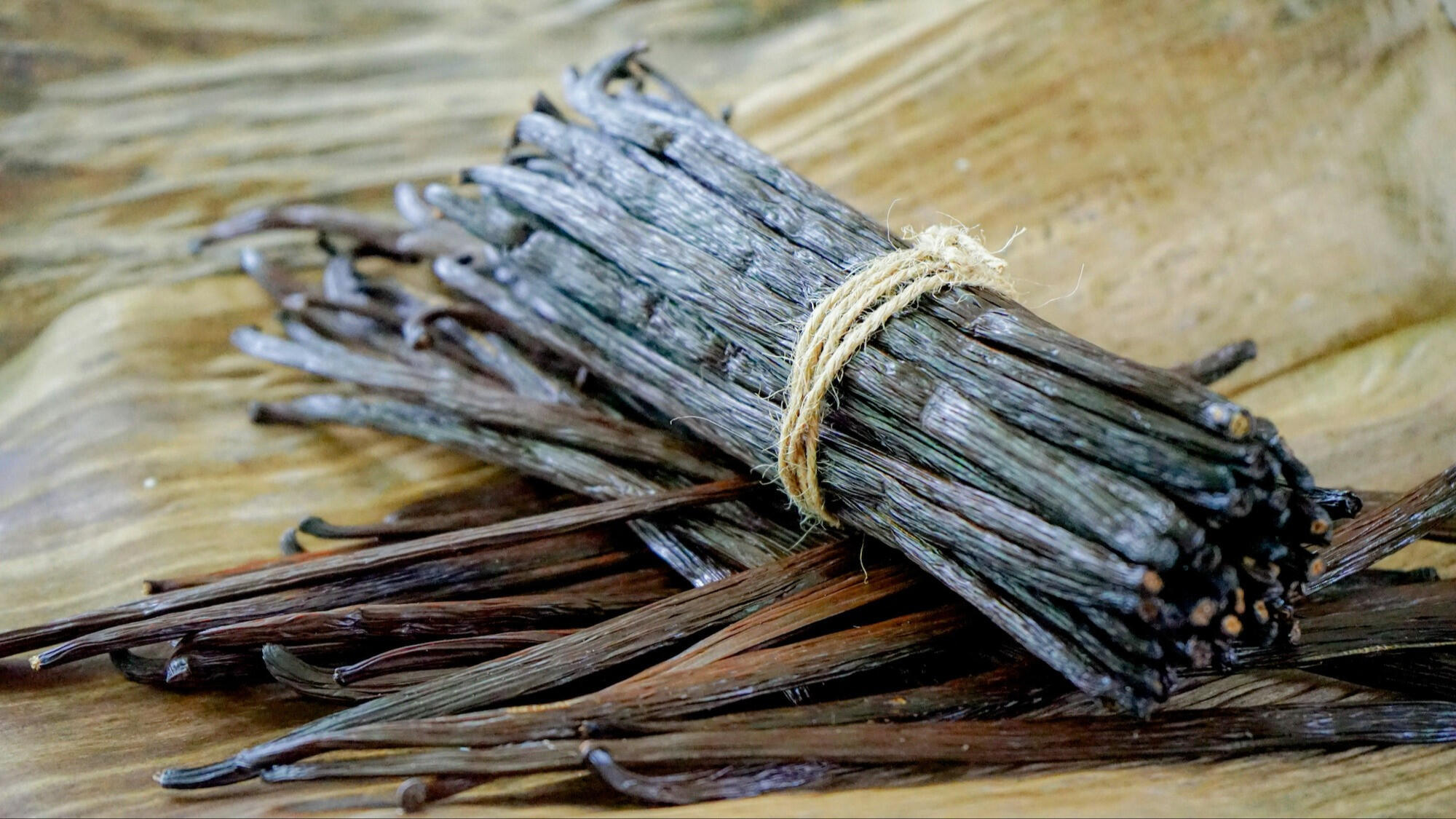
Pliable and Soft: The pod should bend easily around your finger without snapping or cracking.
-
Slightly Oily: High-quality beans release natural essential oils on your fingers.
-
Plump and Fragrant: Avoid dry, brittle pods; look for dark, full-looking beans with an immediate, sweet aroma.
Grade A vs. Grade B Beans:
Grade A (Gourmet): Plump and moist, perfect for direct infusion into cream or milk.
Grade B (Extract): Drier and less visually attractive, ideal for making homemade extracts or long-term infusions in alcohol.
How to Use Vanilla Like an Italian Chef
To extract maximum flavor from your vanilla pods, follow these simple pastry-school techniques:
1. The Scraping & Infusion Method
-
Place the pod flat on a cutting board and cut it lengthwise using the tip of a paring knife.
-
Use the blunt side of the blade to scrape out the microscopic black seeds inside.
-
Add both the seeds and the scraped pod into your liquid base (such as cream or milk).
-
Heat gently over low heat until warm (do not boil hard), cover, and allow to steep for at least 20–30 minutes before straining out the pod.
Ideal for: Panna cotta, gelato, crème anglaise, and custard base.
2. Baking & High-Heat Uses
Fat protects delicate flavor compounds during baking. Mix your vanilla seeds into butter, cream, or egg yolks before combining them with dry ingredients.
Ideal for: Cakes, plum cakes, shortbread cookies, and brioche.
3. Cold Applications
Uncooked vanilla preserves every subtle aromatic nuance.
Ideal for: Homemade yogurt, flavored whipped cream, fruit marinades, and cold mousses.
Vanilla Extracts, Pastes, and Powders: Which Should You Use?
While whole pods offer the ultimate flavor, alternative formats can be very practical in busy kitchens:
-
Natural Vanilla Extract: Best for light batters, cake mixes, and liquid-heavy preparations. (Avoid imitation vanillin).
-
Vanilla Bean Paste: A thick mixture made with extract and real seeds. Perfect for professional baking when you want the visual specks of real vanilla without prepping a whole pod.
-
Vanilla Powder: Pure ground vanilla pods. Ideal for dry doughs, shortcrust pastry (pasta frolla), dusting powders, and spice rubs.
Traditional Italian Recipes That Showcase Vanilla
If you want to practice your skills, vanilla shines brightest in these iconic Italian dishes:
-
Spoon Desserts: Classic vanilla panna cotta, crème brûlée, and bavarese.
-
Pastry Fillings: Crema pasticciera for tarts, fruit crostate, and cream puffs (bignè).
-
Holiday Leavened Pastries: Festive seasonal breads like Panettone and Colomba.
-
Gourmet Savory Pairings: Modern Italian chefs occasionally pair vanilla butter with pan-seared scallops, prawns, or delicate white meats.
Zero-Waste Tip: Never Throw Away Used Vanilla Pods!
Once you’ve scraped the seeds, the pod itself still holds an incredible amount of flavor.
-
Vanilla Sugar: Dry the rinsed pod completely, then drop it into a jar of granulated sugar. In a few days, you'll have aromatic vanilla sugar for your morning espresso!
-
Vanilla Salt: Combine dried pods with flaky sea salt for an intriguing savory accent.
-
Flavored Syrups & Liqueurs: Drop spent pods into simple syrup or homemade limoncello for extra complexity.
Learn Authentic Italian Cooking with MaMa Florence
Mastering Italian cuisine comes down to balancing fine ingredients and time-tested techniques. Whether you want to perfect a classic meal, discover regional recipes, or explore the rich flavors of traditional Italian cooking, we’d love to welcome you to our kitchen!
Explore Our Cooking Classes in Florence to experience the art of Italian cooking firsthand.