Gelato Making in Florence: The Art of Italy's Beloved Dessert
Why Take a Gelato Making Class in Florence?
A gelato making class in Florence is one of the sweetest and most authentic ways to experience Italian food culture. While pasta and pizza often take center stage, gelato is deeply woven into everyday Italian life, from family celebrations to evening strolls through historic city centers.
For travelers seeking more than a simple tasting, learning how authentic Italian gelato is made offers a fascinating glimpse into the techniques, ingredients, and traditions that distinguish true artisan gelato from industrial ice cream.
Whether you are a passionate foodie, traveling with children, or simply curious about Italian cuisine, a gelato making class allows you to bring home both delicious memories and practical skills.
What Is the Difference Between Gelato and Ice Cream?
One of the first questions guests ask during a gelato making class is:
Is Gelato the Same as Ice Cream?
The answer is no.
Although they share some ingredients, traditional Italian gelato differs significantly from ice cream:
- Lower fat content
- Less air incorporated during churning
- Denser and creamier texture
- More intense flavors
- Greater emphasis on fresh ingredients
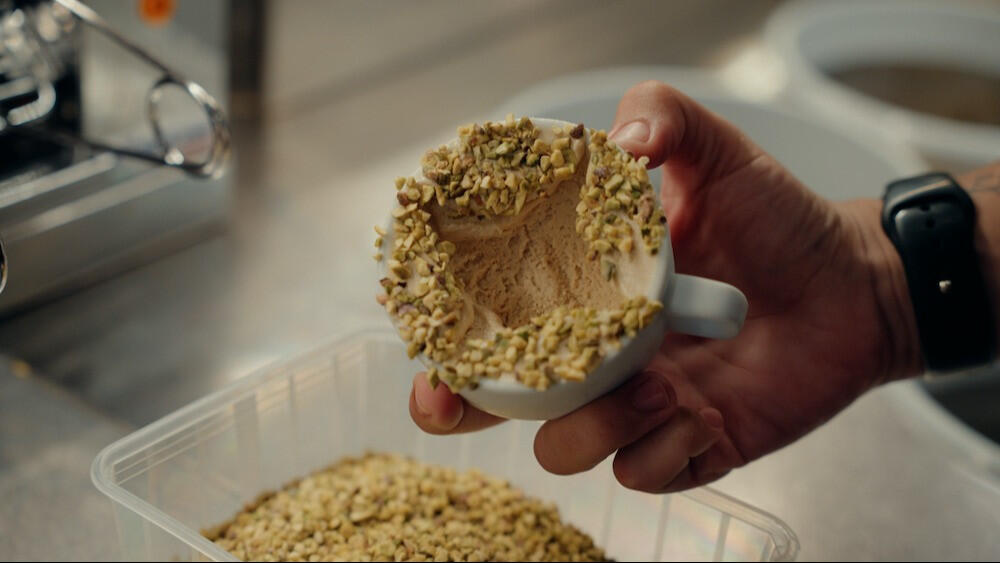
Because gelato contains less air, flavors become more concentrated. A pistachio gelato tastes distinctly of pistachios. A lemon sorbetto tastes of fresh lemons, not artificial flavorings.
Understanding these differences is often one of the most valuable lessons of a quality gelato class.
Florence and the History of Gelato
Was Gelato Invented in Florence?
Many historians believe Florence played a fundamental role in the development of modern gelato.
During the Renaissance, the Florentine artist and architect Bernardo Buontalenti created elaborate frozen desserts for the Medici family. His recipes, based on milk, sugar, eggs, and natural flavorings, are widely considered among the earliest ancestors of modern gelato.
Today, Florence remains one of Italy's most important cities for artisan gelato, home to both traditional family-run gelaterie and innovative masters of the craft.
What Happens During a Gelato Making Class in Florence?
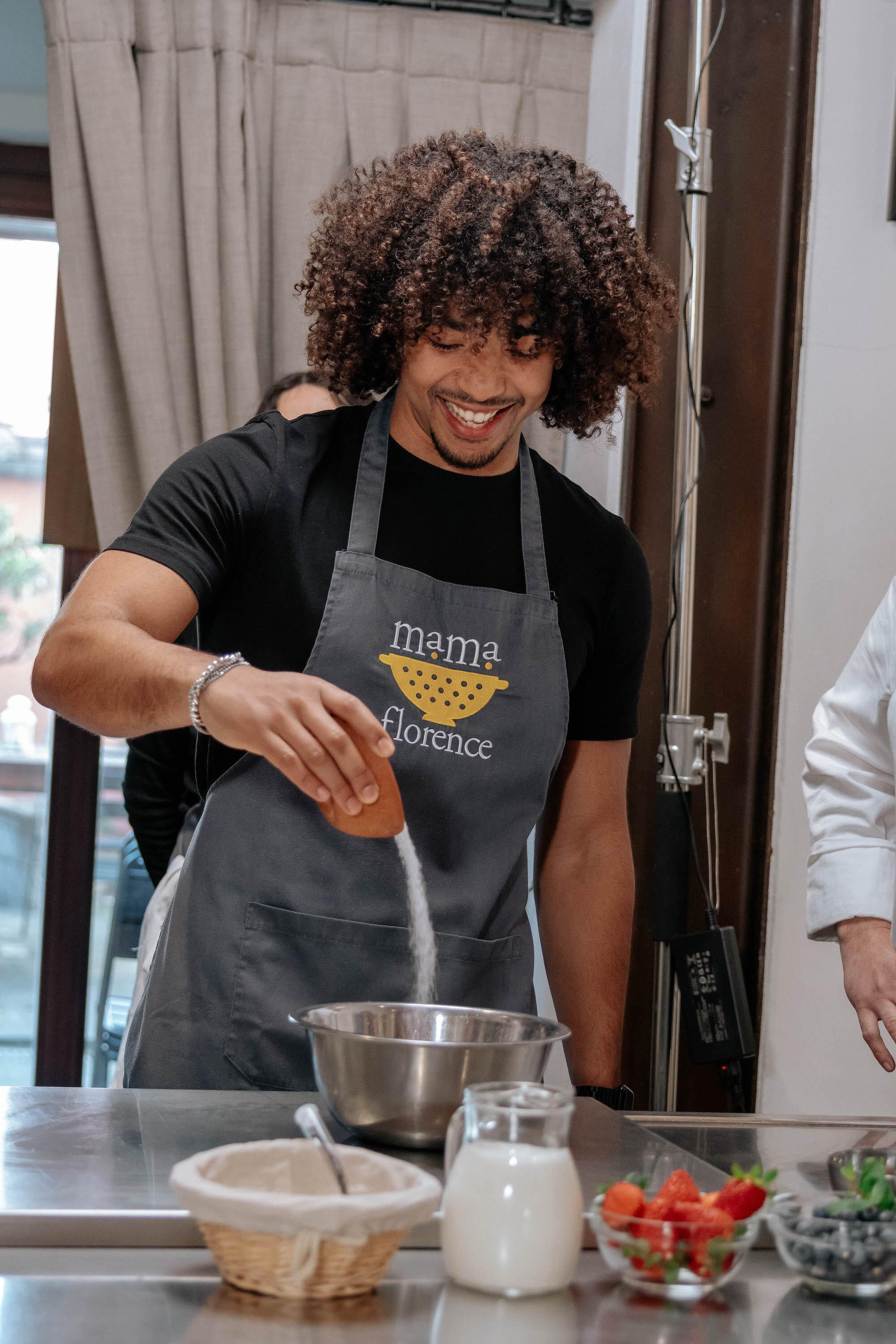
A high-quality gelato class should offer much more than simply mixing ingredients together.
Participants should learn:
- The history of Italian gelato
- The science behind texture and flavor
- The role of milk, sugar, cream, and stabilizers
- The difference between gelato and sorbetto
- Traditional and modern flavor combinations
- How artisan gelato is produced
- How to recognize quality gelato when traveling in Italy
Many classes include the preparation of classic flavors such as:
- Pistachio
- Chocolate
- Hazelnut
- Stracciatella
- Lemon Sorbetto
- Seasonal fruit sorbets
The best classes also explain how to recreate recipes at home using domestic equipment.
How to Choose the Best Gelato Making Class in Florence
As with cooking classes, not all gelato experiences are created equal.
Small Groups Matter
Smaller groups allow for more interaction, personalized guidance, and a better learning environment.
Professional Instructors
Look for classes taught by experienced chefs or culinary professionals rather than generic activity hosts.
Quality Ingredients
Authentic artisan gelato begins with excellent ingredients. Fresh milk, seasonal fruit, quality nuts, and natural flavorings make a tremendous difference.
Hands-On Participation
Guests should actively participate in the preparation process rather than simply watching a demonstration.
Cultural Context
The best experiences explain not only how gelato is made, but why it plays such an important role in Italian culture.
Why Gelato Making Classes Are Perfect for Families?
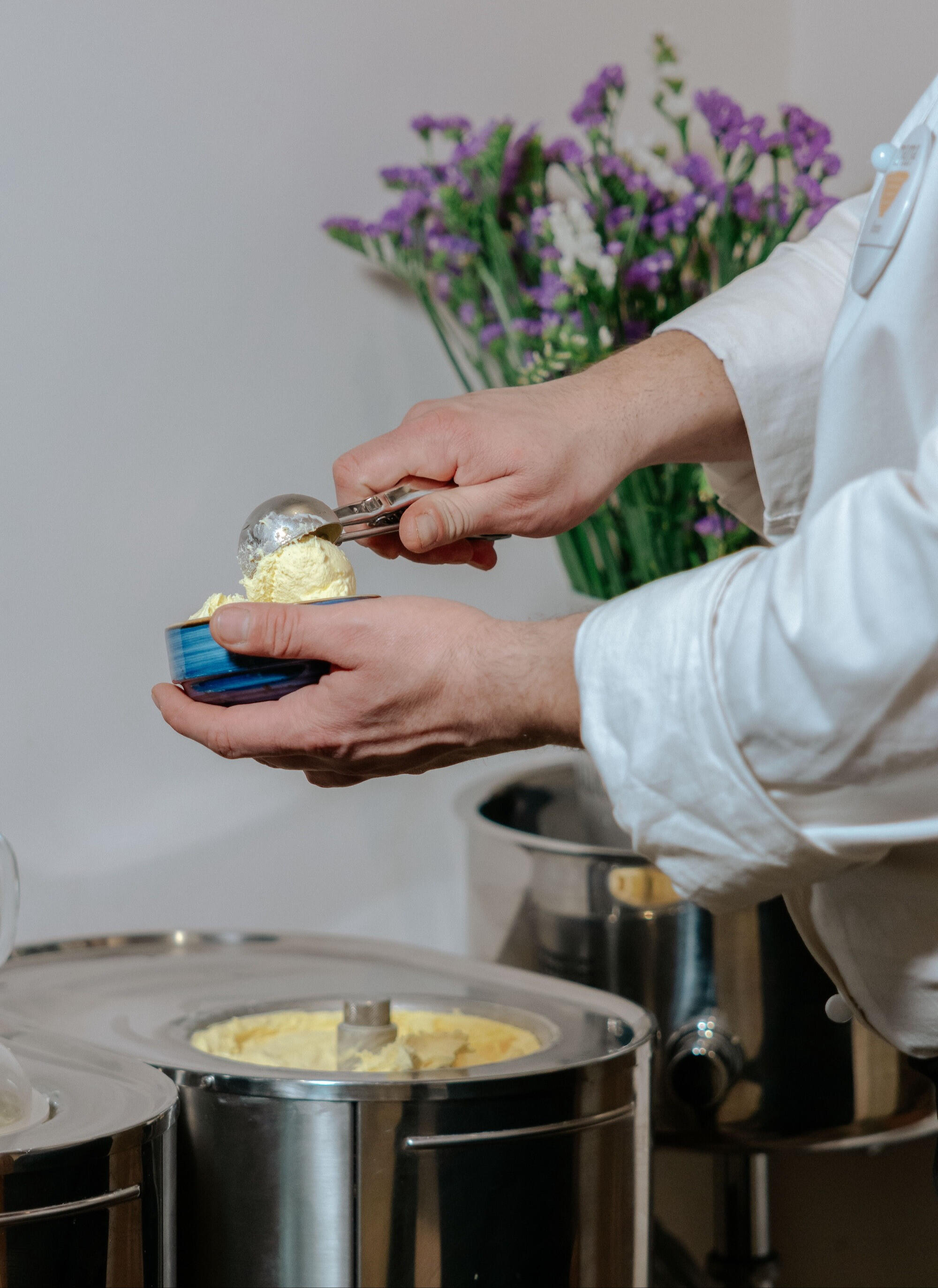
A gelato making class in Florence is often one of the best food experiences for families traveling with children. Unlike some cooking classes that require longer attention spans or more complex techniques, gelato is fun, colorful, and immediately rewarding. Kids love seeing simple ingredients transformed into their favorite dessert, while parents appreciate an activity that combines learning, culture, and entertainment. Gelato classes are also often shorter in duration and generally more affordable than full cooking classes, making them an excellent option for families looking for a memorable Italian experience without committing to a half-day activity. The fact that everyone gets to enjoy the results at the end is simply the cherry on top—or perhaps the scoop of gelato.
Beyond Gelato: Exploring Italian Sweet Traditions
One of the limitations of many gelato workshops is that they focus only on frozen desserts.
In reality, Italian sweet culture extends far beyond gelato itself.
Many traditional desserts are designed to be enjoyed together with coffee, tea, sweet wines, or digestifs, creating moments of conviviality and sharing that are central to Italian hospitality.
A Different Approach at Mama Florence
At Mama Florence, guests can explore this broader perspective through the Gelato & Biscotti Class.
Rather than focusing solely on gelato, participants prepare:
The experience concludes with tastings and pairings inspired by how Italians actually enjoy these treats, accompanied by coffee, tea, or dessert wines depending on the occasion.
This combination offers a more complete introduction to Italian dessert culture, allowing guests to discover not only techniques, but also traditions and serving rituals.
Why Gelato Is an Important Part of Italian Culture
Gelato is not simply a dessert in Italy.
It is associated with:
- Family outings
- Summer evenings
- Childhood memories
- Daily rituals
- Regional traditions
Italians debate flavors, discuss favorite gelaterie, and often judge a town's culinary quality by the quality of its gelato.
Understanding gelato therefore means understanding an important part of contemporary Italian life.
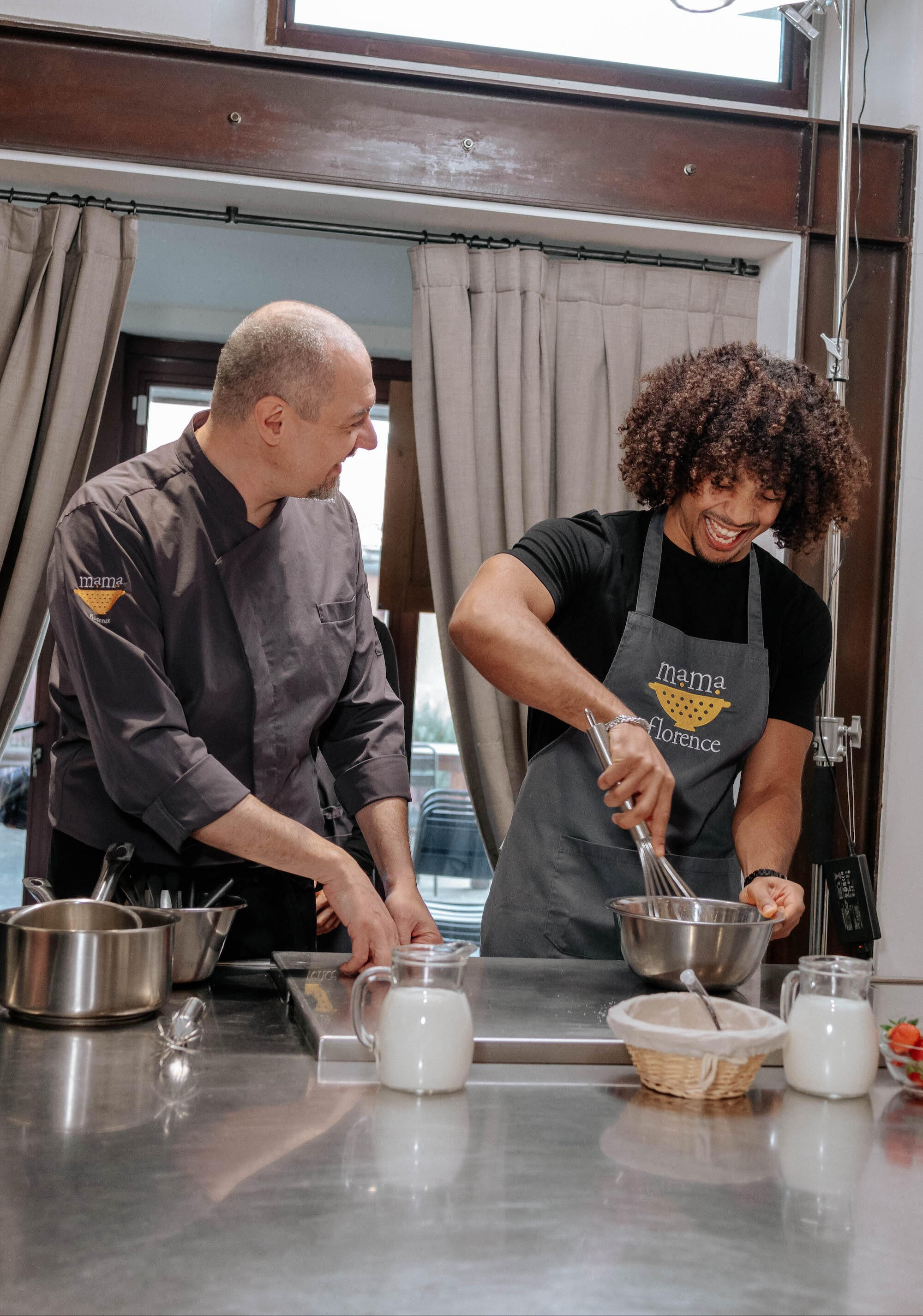
Is a Gelato Making Class in Florence Worth It?
For travelers interested in food, culture, and hands-on experiences, the answer is almost always yes.
A great gelato making class combines:
- Culinary education
- Historical insight
- Cultural understanding
- Delicious tasting opportunities
- Practical skills to bring home
Most importantly, it allows visitors to connect with Italy through one of its most beloved culinary traditions.
Frequently Asked Questions About Gelato Making Classes in Florence
Are gelato making classes suitable for beginners?
Yes. Most classes are designed for all skill levels and require no previous experience.
Will I learn to make sorbetto as well as gelato?
Many quality classes include both gelato and fruit sorbetto, allowing guests to understand the differences between the two.
How long does a gelato making class in Florence last?
Most classes last between 1.5 and 3 hours, depending on the format and whether additional activities are included.
Can children participate in gelato classes?
Absolutely. Gelato classes are often among the most family-friendly culinary experiences available in Florence.
What is the difference between a gelato class and a Gelato & Biscotti Class?
A traditional gelato class focuses only on frozen desserts. A Gelato & Biscotti Class expands the experience by introducing Italian biscuits, pairings, and broader aspects of Italian sweet culture.
Final Thoughts
Florence offers many ways to experience Italian cuisine, but few are as enjoyable as learning the secrets behind authentic artisan gelato.
Whether you choose a traditional gelato workshop or a more complete experience combining gelato, sorbetto, biscotti, and pairings, you'll gain a deeper appreciation for one of Italy's most cherished culinary traditions—and leave with recipes and memories to enjoy long after your trip has ended.