The Soul of the Scents: The Role of Herbs in Tuscan Cuisine
Tuscan cuisine is celebrated worldwide for its authenticity, the simplicity of its recipes, and the masterful balance of genuine ingredients. At the very heart of this gastronomic tradition lies a fragrant secret: aromatic herbs.
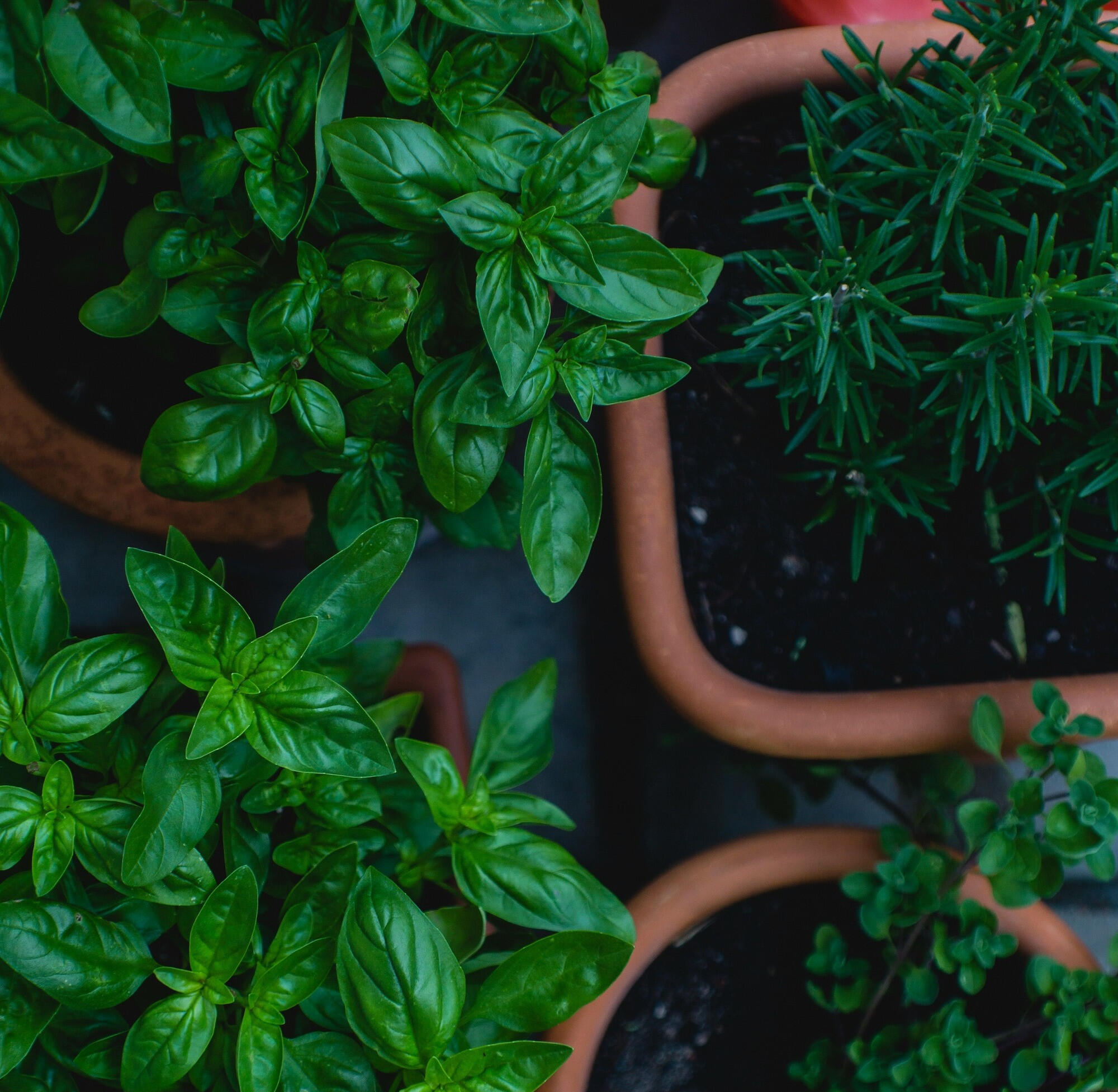
Far from being mere garnishes, these herbs are the pillars of Tuscan flavor, defining everything from appetizers and pasta to hearty roasts and daily staples. In a Tuscan kitchen, rosemary, sage, basil, thyme, laurel (bay leaf), and wild fennel are not just aromas—they are the protagonists that elevate a dish without ever overpowering it.
The Roots of Tuscan Herbal Tradition
Historically, aromatic herbs were grown in domestic vegetable gardens (l’orto) or gathered wild along the sun-drenched hillsides and wooded paths of the countryside. In the "povera" (peasant) culinary tradition, these plants were indispensable tools for transforming humble ingredients like bread, legumes, and seasonal vegetables into culinary masterpieces.
Today, using these herbs remains a profound link to the Tuscan territory, the rhythm of the seasons, and the ancient rural culture that MaMa Florence continues to celebrate.
Appetizers and Sides: Aromas that Open the Palate
In Tuscan appetizers, herbs provide the first "hello" of the meal. Rosemary and sage are often finely minced to enrich traditional chicken liver pâté (crostini neri), while fresh basil brings a burst of summer to tomato bruschetta.
Even in simple side dishes—roasted potatoes, sautéed zucchini, or artichokes—the presence of herbs is essential. A sprig of rosemary tossed into a pan of roasting potatoes is arguably the most iconic scent of a Sunday lunch in Florence.
First Courses: The Balance of Identity
For Primi Piatti, herbs create intense yet harmonious flavor bases. You will find:
-
Rosemary: Frequently used to infuse bean soups (zuppa di fagioli) and hearty vegetable minestrone.
-
Sage: The perfect companion for fresh pasta, often infused in browned butter for gnocchi or tortelli.
-
Bay Leaves: Essential for long-simmering ragùs and bean dishes, adding a subtle, earthy depth.
-
Basil: The star of summer, added only at the final moment to fresh tomato sauces to preserve its bright, natural essence.
Main Courses: Meat, Fish, and Wild Game
In the "Secondi," herbs take center stage. Rosemary is non-negotiable for roasted meats and grilled dishes, including the world-famous Bistecca alla Fiorentina. Sage is frequently paired with white meats and baked preparations, while thyme offers a rustic character that pairs perfectly with mushrooms and wild game. Along the Tuscan coast, these herbs are also used with fish, applied with a delicate touch to respect the freshness of the sea.
Bread, Oil, and Daily Rituals
Even the most basic elements of the Tuscan diet rely on herbs. Our unsalted "pane sciocco," recovery soups like Ribollita, and legume-based recipes are defined by their herbal infusions.
Furthermore, rosemary, bay leaves, and sage are often used to aromatize Extra Virgin Olive Oil, the golden liquid at the center of our gastronomy. This infused oil becomes a precious tool for adding character to even the simplest bowl of beans or slice of bread.
A Fragrant Expression of the Territory
The use of aromatic herbs in Tuscan cooking reflects a philosophy of respect: respect for the raw material and a search for perfect balance. Every herb tells the story of a landscape, a climate, and a local tradition. Their use is never accidental; it is the result of knowledge passed down through generations.
Conclusion: Tradition, Taste, and Identity
Aromatic herbs are a true pillar of the Tuscan kitchen. Present in every course, they define our regional identity, making every dish fragrant, balanced, and faithful to a tradition that values quality above all else.
Want to learn the secrets of using these herbs like a local? Join us at MaMa Florence for a hands-on cooking class where we’ll chop and cook with the freshest scents of Tuscany!

