Truffles in Tuscany: Regions, Seasons, and Masters of Culinary Excellence
Tuscany is world-renowned not only for its breathtaking hills and historic art but also for being one of the most prestigious truffle territories on the planet. For food lovers and culinary professionals alike, the Tuscan truffle is much more than a gourmet ingredient—it is a cultural icon deeply rooted in rural tradition, representing the perfect harmony between man, nature, and the kitchen.
At MaMa Florence Cooking School, we love introducing our guests to this hidden treasure of Italian gastronomy. Let’s dive into what makes Tuscan truffles so extraordinary, how the seasons dictate their availability, and the historic producers who bring them to tables worldwide.
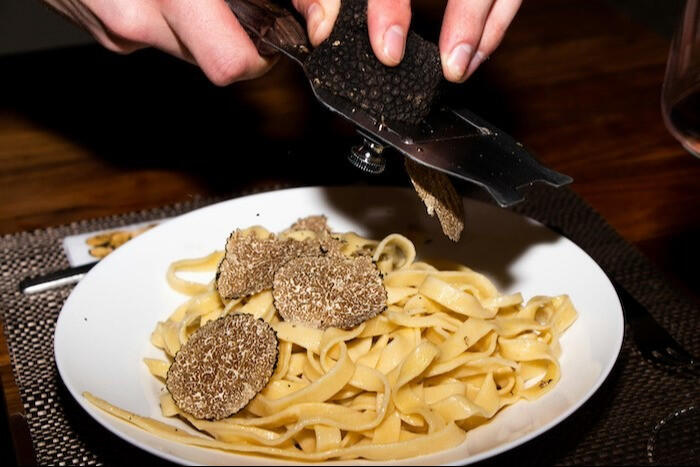
Why is Tuscany the Ultimate Truffle Territory?
Tuscany owes its status as a world-class truffle hub to a unique combination of natural factors. The region’s limestone-rich soils, dense mixed woodlands, well-drained hills, and balanced Mediterranean climate create the perfect ecosystem for various truffle species to thrive.
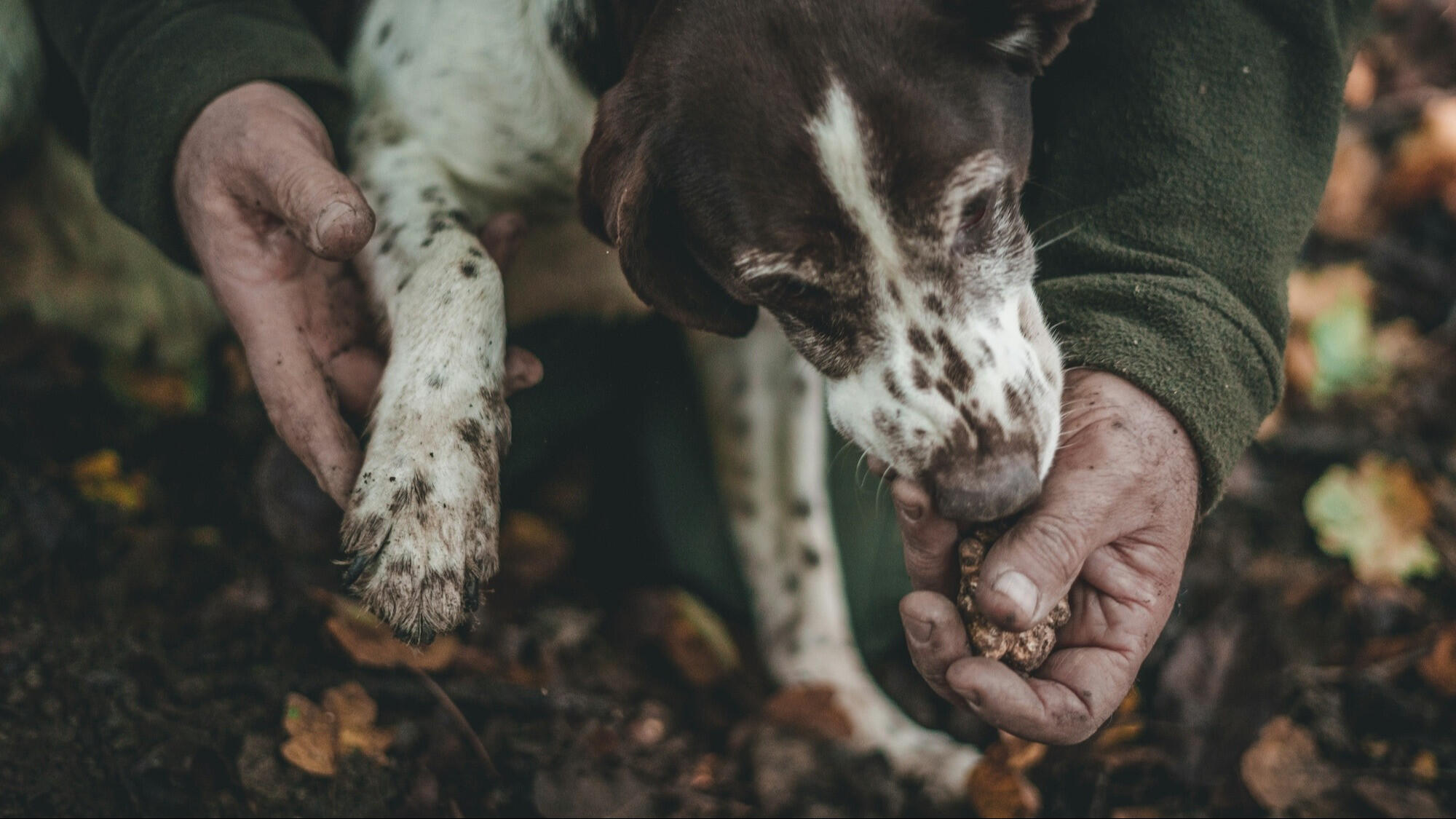
The culture of the truffle in Tuscany is kept alive by the patient work of local tartufai (truffle hunters) and their highly trained dogs. Handed down through generations, this art is strictly regulated to respect natural cycles and forest sustainability. Throughout the year, medieval Tuscan villages come alive with vibrant truffle festivals, celebrating this symbol of local identity and environmental care.
Truffle Varieties and Seasons in Tuscany
Unlike other seasonal delicacies, you can find fresh truffles in Tuscany almost all year round, depending on the variety:
-
The Precious White Truffle (Tartufo Bianco Pregiato): The undisputed king of truffles. It grows primarily in moist, hilly woodlands and along riverbanks from September to December. It is famous for its intense, intoxicating aroma of garlic, cheese, and earth.
-
The Precious Black Truffle (Tartufo Nero Pregiato): Harvested during the winter months from November to March, offering a sweet, intensely earthy flavor that pairs beautifully with warm dishes.
-
The Summer Black Truffle (Scorzone): Abundant from May to September, this variety has a subtle, delicate aroma reminiscent of wild mushrooms, making it perfect for summer pasta dishes.
-
The Bianchetto Truffle: Found in late winter and early spring (January to April), it looks similar to the white truffle but has a sharper, more pungent garlic aroma.
The Masters of Tuscan Truffles: Top Producers of Excellence
Tuscany is home to historic family-run companies that have perfected the art of selecting, processing, and preserving truffles. Here are the leading names defining the region's truffle industry:
Gemignani Tartufi (Since 1930)
Representing nearly a century of history, Gemignani is a pillar of the Tuscan truffle tradition. Built on a foundation of rigorous selection and deep respect for the land, this historic brand is a global synonym for quality, offering exceptional fresh truffles and premium preserved specialties.
Savini Tartufi
Based in Forcoli, Savini Tartufi is one of the most internationally recognized names in the culinary world. They seamlessly blend family tradition with modern innovation, creating an exquisite line of truffle sauces, oils, and creams that elevate the truffle's natural flavor without overpowering it.
Stefania Calugi Tartufi
Deeply connected to the Tuscan soil, Stefania Calugi brings an artisanal, highly sustainable approach to the industry. Her beautifully balanced specialties make high-quality Tuscan truffles accessible to home cooks and professional chefs alike, keeping the authentic flavors of the forest front and center.
Prete Tartufi
The perfect embodiment of the region's artisanal soul. By maintaining direct, personal relationships with expert local cavatori (hunters), Prete Tartufi ensures an authentic, traceable product line that honors the true aromatic profile and seasonality of the fresh harvest.
Selektia Tartufi & Toscobosco
-
Selektia Tartufi focuses on the high-end gourmet market and professional catering, guaranteeing a consistently superior product with an elegant presentation.
-
Toscobosco stands as a model for environmental mindfulness, promoting conscious foraging practices that protect the Tuscan woodlands while delivering premium culinary resources.
Bringing the Flavor of Tuscany to Your Kitchen
In Tuscany, the processing of truffles follows strict guidelines to preserve their fragile aromas. Fresh truffles are gently brushed by hand, cleaned with utmost care, and kept under precise temperature controls. When transformed into sauces, butters, or creams, the recipes remain simple and clean to ensure the natural, complex fragrance of the truffle always shines through.
A truffle is not just an ingredient—it is an experience that tells the story of our land, our forests, and our history. At MaMa Florence Cooking School, we are deeply passionate about celebrating Tuscany's rich culinary heritage and guiding our guests through the region's finest local delicacies and historic producers. Discovering the secrets behind these world-class ingredients is an essential part of falling in love with authentic Italian food culture.