Flours: Tradition, Types, & the Rise of Gluten-Free
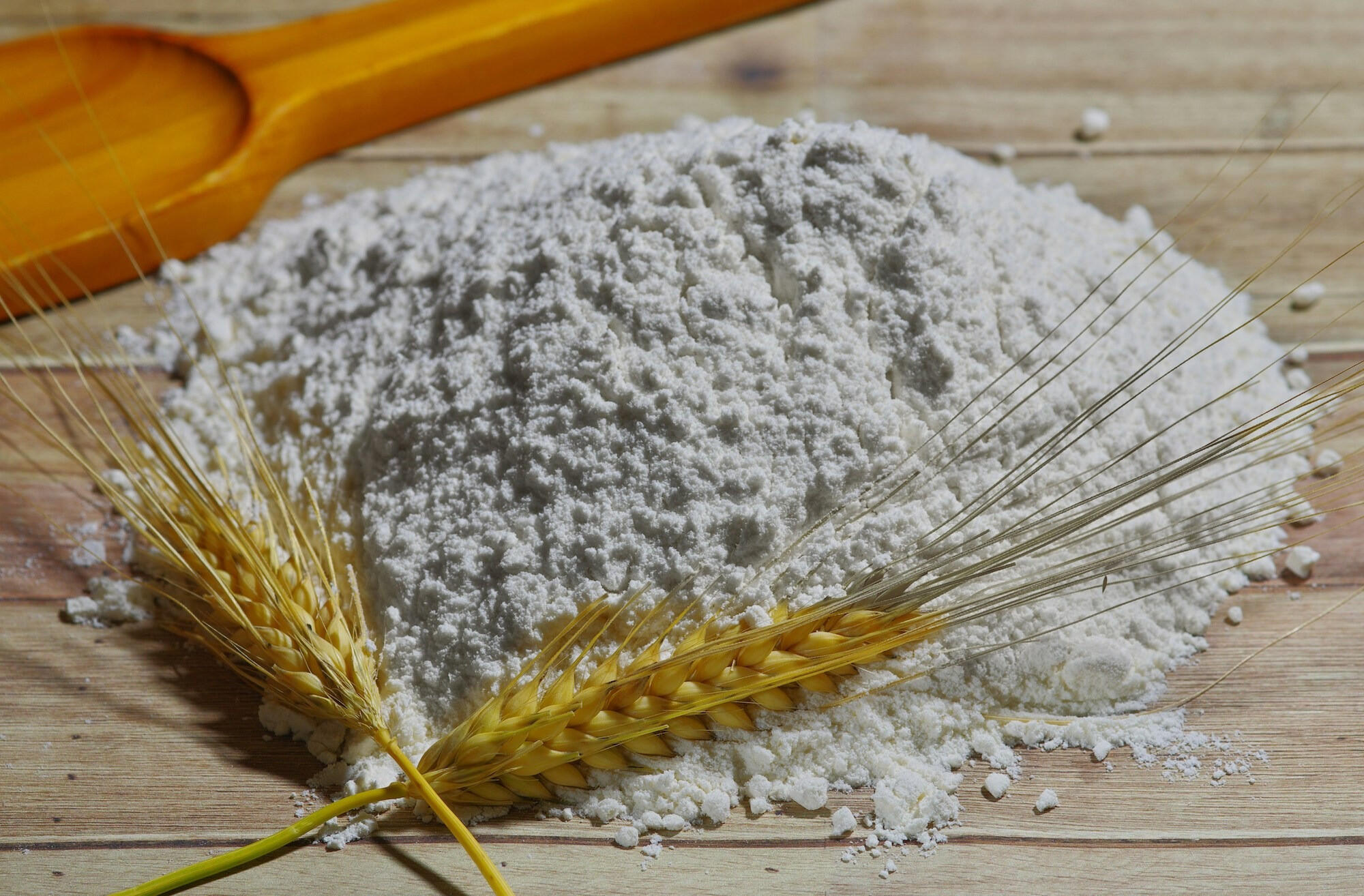
The Culture of Flours
Why are flours so important in cooking?
Flours are one of the oldest and most fundamental ingredients in global gastronomic tradition. From bread and pastry making to pasta, biscuits, and desserts, the choice of flour affects the texture, flavor, aroma, and final yield of your preparations.
Each type of flour has its own characteristics determined by the type of grain, the degree of refinement, and the protein content. In recent years, interest in alternative and gluten-free flours has expanded the market, leading to new experiments and creative possibilities in professional and home kitchens.
At MaMa Florence, the heart of our kitchen is the flour we use. Whether we are dusting a wooden board for our Pasta Making Classes or carefully blending specialized mixes for our Gluten-Free Cooking Classes, we believe that understanding your ingredients is the first step toward culinary mastery. Italy’s rich gastronomic heritage is built on the diversity of its grains; from the golden hills of Tuscany to the specialized laboratories of modern gluten-free baking, the flour you choose determines the soul of your dish.
Wheat Flours: Soft and Durum Wheat
What is the difference between soft wheat flour and durum wheat flour?
Flours derived from wheat remain the most widely used and well-known. Wheat is mainly divided into two categories: soft and durum, each with specific properties.
Soft Wheat Flour: From 00 to Whole Wheat
Which flour should you choose based on the type of preparation?
Soft wheat flour varies according to its degree of refinement:
• Type 00 flour: very fine and low in bran, ideal for delicate desserts, light leavened products, and puff pastry.
• Types 0 and 1 flour: richer in fiber and protein, perfect for bread, pizza, and rustic baked goods.
• Whole wheat flour: rich in fiber and nutrients, it adds bold flavor and structure to bread, biscuits, and homemade dough.
Durum wheat flour or semolina
Why is semolina so commonly used for pasta?
Durum wheat flour, called semolina, has a higher protein content and strong gluten, characteristics that give it elasticity and resistance to cooking. It is the basis of dry pasta, but also of traditional bread, focaccia, and regional products. Its main difference from soft wheat is its ability to maintain a compact and full-bodied structure during cooking.
Alongside wheat, traditional flours such as corn, rye, and chestnut remain popular, perfect for polenta, rustic breads, and traditional desserts.
Naturally Gluten-Free Flours
What are the best gluten-free flours for baking without sacrificing flavor?
Naturally gluten-free flours are now a rich and diverse category. They allow you to prepare doughs that are safe for those with celiac disease or gluten sensitivity, without sacrificing interesting aromas and textures.
Among the most commonly used are:
• Rice flour: light and neutral, perfect for mixes and delicate desserts.
• Corn flour: sweet, colorful, ideal for polenta, rustic bread, and biscuits.
• Buckwheat: intensely flavored, excellent for crepes, biscuits, and noodles.
• Sorghum and millet: prized for their nutritional profile and performance in gluten-free doughs.
• Legume flours (chickpeas, peas, broad beans): increase protein and structure.
• Nut flours (almonds, hazelnuts, coconut): ideal for baking soft, aromatic, and nutritious desserts.
These flours offer unique flavors and rich nutritional profiles, often superior to traditional flours.
Gluten-free mixes and the challenges of baking
Why is it so difficult to make gluten-free bread?
The main obstacle to gluten-free baking is the absence of the gluten network, which is essential for retaining leavening gases and making dough elastic.
To solve this problem, many gluten-free flours are sold as balanced mixes, composed of:
• starches
• fibers
• natural thickeners (guar gum, xanthan gum)
These elements mimic the gluten structure and produce more elastic and stable dough.
Thanks to technological advances, the quality of gluten-free products has improved significantly: soft breads, well-leavened pizzas, and excellent desserts are now within everyone's reach.
Flours and culinary innovation
Why use alternative and gluten-free flours in modern cuisine?
Traditional and gluten-free flours are not rivals: they complement each other, offering endless creative possibilities.
Experimenting with alternative flours means:
• discovering new flavors
• increasing the nutritional value of recipes
• creating products suitable for different dietary needs
• reinterpreting traditional recipes with a modern approach
Flours thus become true tools for innovation. Their evolution, from the return to ancient grains to the expansion of gluten-free blends, demonstrates that bread, pasta, and desserts can be simultaneously tasty, healthy, and inclusive.
Final thoughts...
Whether you are looking to hand-roll traditional pici in one of our signature Pasta Making Classes or want to unlock the secrets of light, airy doughs in our dedicated Gluten-Free Cooking Class, MaMa Florence is here to guide you. Flour is more than just an ingredient—it is an evolution of tradition and science. We invite you to join us in our Florence kitchen to get your hands floury and discover the incredible versatility of these grains for yourself.

