The Hidden Flavors of Florence
Introduction
When travelers think of Florence, the mind often drifts to the majestic Duomo or a sizzling Bistecca alla Fiorentina. However, the true heartbeat of the city lies in its "cucina povera"—the resourceful, ingenious "peasant cooking" that transformed humble ingredients into culinary masterpieces. At MaMa Florence, our passion goes beyond the basics; we strive to keep the flame of authentic Tuscan traditions alive by exploring the unusual, the antique, and the truly special dishes that define our city.
From Renaissance-era stews to medieval breads, the flavors of Florence are steeped in history and storytelling. Understanding these dishes is essential for any food lover looking to experience the city like a local. Whether you are joining us for a traditional Tuscan cooking class or exploring the city’s winding alleys on a Florence food tour, these eleven iconic dishes offer a window into the grit, grace, and flavor of our historic home.
The Icons of Florentine Street Food
1. Lampredotto
-
Description: The ultimate Florentine street food. It is made from the fourth stomach of the cow, slow-cooked with herbs and spices. It is traditionally served in a crusty roll (semelle) soaked in broth, topped with salsa verde (green sauce) and optional spicy oil.
-
History: Dating back to the Renaissance, it was the quintessential quick lunch for city workers.
-
Where to Try: Look for Trippaio stalls near Mercato Centrale.
2. Trippa alla Fiorentina (Florentine Tripe)
-
Description: Unlike lampredotto, this tripe is simmered in a rich tomato base with onions, carrots, and celery until perfectly tender. It is often finished with a generous dusting of Parmigiano Reggiano.
-
History: A staple of "peasant cooking," reflecting the Florentine philosophy of using every part of the animal.
-
Where to Try: Traditional spots like Trattoria Mario.
Antique Breads & Harvest Sweets
3. Schiacciata all’Uva (Grape Bread)
-
Description: A sweet, seasonal flatbread layered with olive oil, sugar, and tiny, dark wine grapes. As it bakes, the grapes burst, creating a vibrant purple syrup.
-
History: An ancient dish originally made by farmers to celebrate the autumn grape harvest (vendemmia).
-
Where to Try: Local bakeries like Forno Pintucci.
4. Pan di Ramerino (Rosemary & Raisin Bread)
-
Description: A small, sweet bun infused with fresh rosemary and sun-dried raisins, often marked with a cross on top.
-
History: This medieval bread was originally prepared by monks and is a traditional treat for the Easter season.
-
Where to Try: Historic pastry shops like Pasticceria Sieni.
Hearty Stews & Renaissance Soups
-
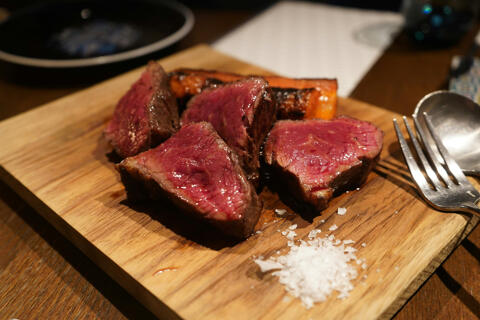
Description: A fiery, tender beef stew slow-cooked in red wine with an incredible amount of whole black peppercorns. No oil or fat is used; the meat renders in its own juices.
-
History: Legend says it was created by the workers (fornacini) who baked the bricks for Brunelleschi’s Dome. They would tuck a pot of beef into the corner of the kilns.
-
Where to Try: Tranvai in Piazza Tasso (right near MaMa Florence!) or La Vecchia Bettola.
6. Carabaccia (Tuscan Onion Soup)
-
Description: A sweet and savory onion soup thickened with ground almonds and scented with cinnamon. It is often considered the ancestor of French Onion Soup.
-
History: A Renaissance favorite, famously enjoyed by Catherine de’ Medici before she brought the recipe to the French court.
-
Where to Try: Ristorante Il Cibreo.
7. Baccalà alla Fiorentina
-
Description: Salted cod that has been soaked, floured, fried, and then simmered in a rich tomato sauce with plenty of garlic and onions.
-
History: Though Florence is inland, salt cod was a vital historical staple because it could be transported and stored without refrigeration.
-
Where to Try: Da Burde.
The "Rare" Finds: Offal & Ancestral Dishes
8. Cibreo
-
Description: A highly unusual, rustic dish made from chicken offal—livers, gizzards, and even combs—bound together with an egg and lemon sauce.
-
History: This was said to be a favorite of Catherine de' Medici; it is a true testament to the inventive use of "fifth quarter" ingredients.
-
Where to Try: Cibreo Trattoria.
9. Ribollita
-
Description: Perhaps the most famous Tuscan soup, made with leftover bread, cannellini beans, and black kale (cavolo nero). Its name means "reboiled," as it tastes best when reheated the next day.
-
History: A medieval peasant dish born from the necessity of making old bread palatable again.
-
Where to Try: Trattoria Ruggero.
Vegetable Staples & Comfort Foods
-
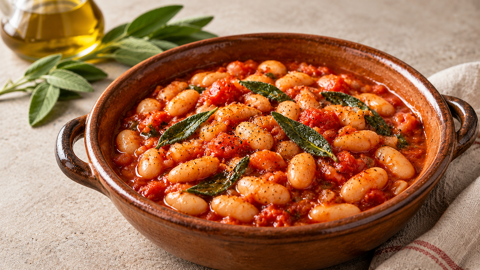
Description: Cannellini beans stewed with tomatoes, garlic, and fresh sage. The name "uccelletto" refers to the small birds that were traditionally seasoned with the same herbs.
-
History: A timeless staple found in every Florentine home for centuries.
-
Where to Try: Il Santo Bevitore.
-
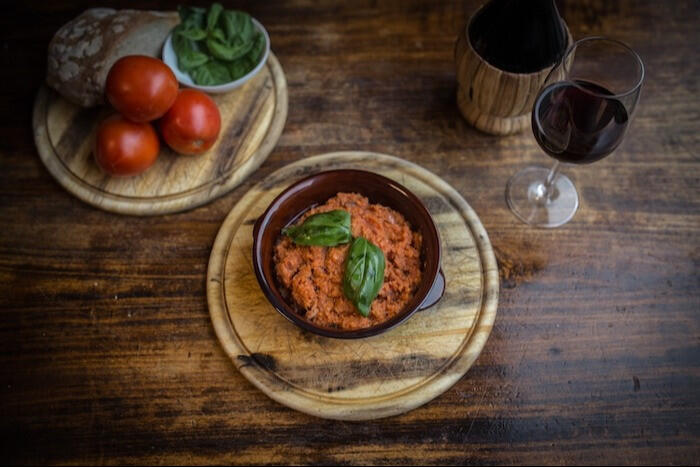
Description: A thick, velvety bread and tomato soup. When made correctly, it is served warm or at room temperature, drizzled with spicy new olive oil and torn basil.
-
History: Originating in rural Tuscan kitchens, it is the ultimate example of the "no-waste" food culture.
-
Where to Try: Trattoria Sabatino.
Conclusion: Bringing Ancient Traditions to Your Table
Exploring these special Florentine foods is more than just a culinary checklist; it is an act of preservation. In an age of fast food, these recipes remind us of the beauty of slow-simmering a Peposo or the seasonal joy of baking Schiacciata all’Uva. They represent a time when nothing was wasted and every ingredient was celebrated for its natural essence.
At MaMa Florence, we believe the best way to honor these antique Italian recipes is to learn how to cook them yourself. Our hands-on cooking classes in Florence are designed to give you the skills to recreate the rich flavors of Ribollita or the comforting texture of Pappa al Pomodoro in your own kitchen. We invite you to step away from the tourist menus and dive deep into the authentic tastes that have nourished Florentines for centuries.
Ready to taste the history of Florence? Explore our traditional Tuscan cooking classes or book a market tour to source these ingredients like a local.