The Florentine Steak
What is the Florentine Steak and why is it so famous?
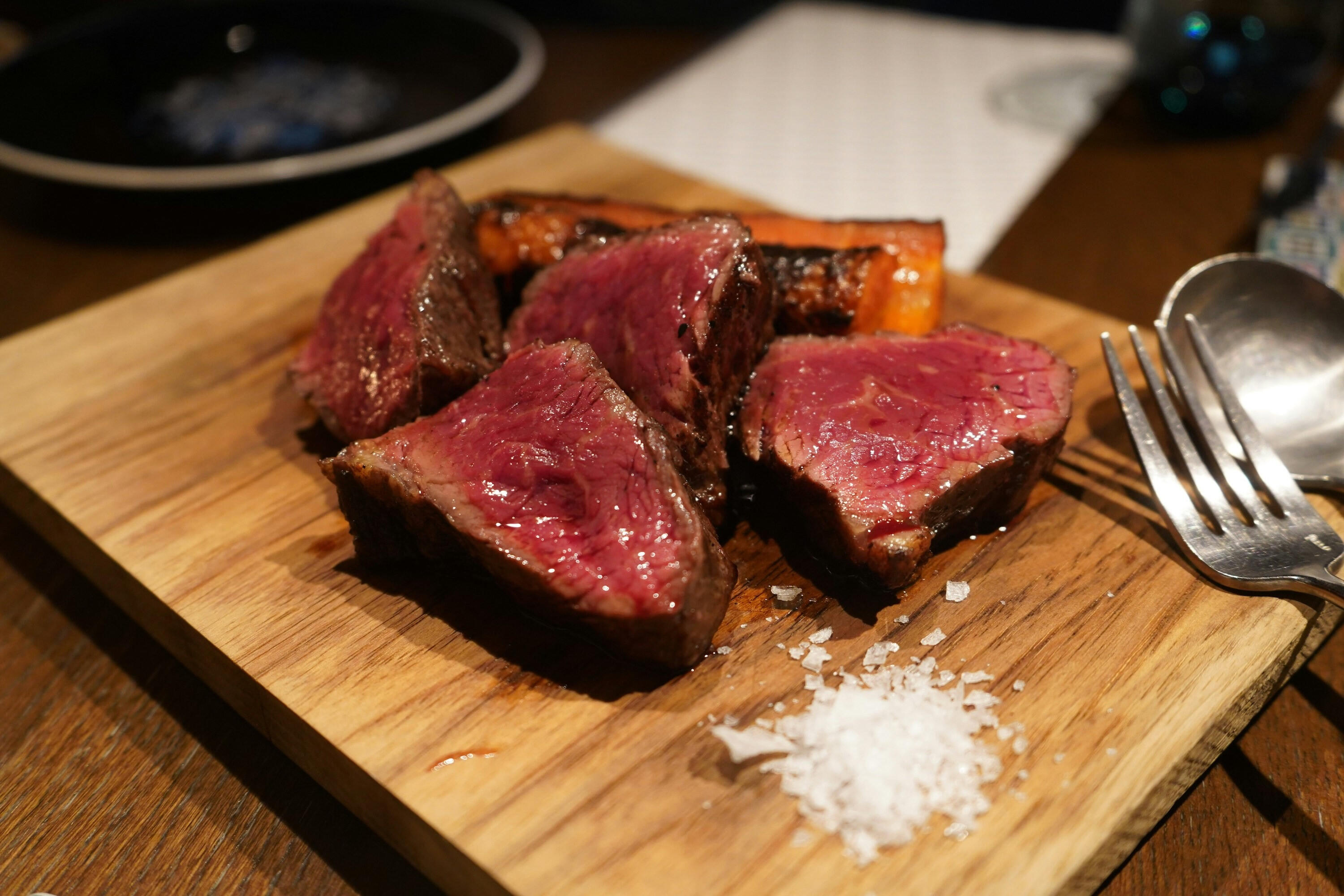
The Florentine Steak is one of the most celebrated symbols of Tuscan and Italian cuisine around the world. It's not simply a beef steak, but a true gastronomic ritual, built on tradition, respect for the raw material, and precise techniques. Its fame stems from the simplicity of its ingredients, combined with the highest quality meat and uncompromising cooking. The Florentine Steak is thick, juicy, cooked rare, and served without sauces or marinades: just meat, fire, and skill.
What are the historical origins of the Florentine Steak?
The origins of the Florentine Steak date back to the Renaissance, during the celebrations of the Medici family. On the feast of San Lorenzo, August 10th, large pieces of roasted beef were distributed to the population. The English in Florence called this dish "beef steak," a term that over time was Italianized to "bistecca." Since then, the tradition has remained alive, becoming a pillar of Tuscan cuisine and a signature dish of the city of Florence.
What is the right cut of meat for a true Florentine steak?
The cut of the Florentine steak is one of the most important elements. It must come from the sirloin of the beef, including the T-shaped bone that separates the fillet from the sirloin. Traditionally, Chianina beef is used, but other prized breeds such as Maremmana or Romagnola are also permitted. A true Florentine steak must weigh at least 1–1.2 kg and be between 4 and 6 centimeters thick. Thinner or boneless cuts cannot be considered authentic.
What role does ageing play in the quality of the steak?
Ageing is a fundamental process for obtaining a tender and flavorful Florentine steak. It involves letting the meat rest for a variable period, generally between 15 and 40 days, in controlled conditions of temperature, humidity, and ventilation. During aging, the meat's natural enzymes break down the muscle fibers, making the steak more tender and intensifying its flavor. An under-aged Florentine steak will be tough and less aromatic, while excessive aging can alter the flavor.
What is the difference between dry and wet ageing?
Dry aging is the most popular technique for Florentine steak. The meat is left to mature in the open air, developing complex aromas and a unique texture. Wet aging, on the other hand, occurs under vacuum and is quicker and more economical, but less effective in terms of flavor. For a traditional, high-quality Florentine steak, dry aging is the ideal choice.
How do you cook a perfect Florentine steak?
Cooking a Florentine steak should be simple and decisive. Tradition dictates using very hot charcoal or wood embers. The steak should be removed from the refrigerator at least an hour before cooking and should not be seasoned in advance. Cook for about 5 minutes per side, without piercing or squashing it, and then hold upright on the bone for a few minutes. The inside should remain red, hot, and juicy: Florentine steaks are strictly rare.
When should you salt a Florentine steak?
Salt should be added only at the end of cooking, preferably coarse salt or Maldon salt. Adding salt beforehand would draw out the meat's juices, compromising juiciness. After salting, you can add a drizzle of Tuscan extra virgin olive oil and, if desired, a grind of black pepper. No butter, no herbs: the meat should remain the star of the show.
How is Florentine steak served and what accompaniments are best suited?
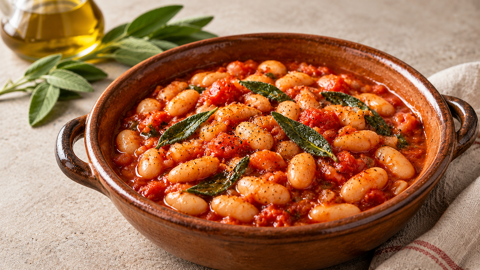
The Florentine steak should be served piping hot, preferably on a preheated plate or platter. Traditional accompaniments are simple: cannellini beans, green salad, or roasted potatoes. The ideal wine is a full-bodied Tuscan red, such as Chianti Classico or Brunello di Montalcino, capable of supporting the richness of the dish without overpowering it.
Why is the Florentine steak so much more than a dish?
The Florentine steak is not just a recipe, but a convivial experience, a symbol of gastronomic culture and respect for the raw material. Preparing and enjoying it means tapping into centuries of history, tradition, and passion for cooking. It is a dish that doesn't follow trends, but remains true to itself, just like the land from which it comes.