Dolce Forte in Renaissance Florentine Cooking
The Renaissance Soul of Florentine Cuisine
When we think of the Renaissance in Florence, our minds often jump to the masterpieces of Michelangelo or the architectural genius of Brunelleschi. However, at MaMa Florence Cooking School, we believe the true spirit of the Rinascimento was just as vibrant in the kitchen as it was in the studio.
Under the patronage of the legendary Medici family, Florentine culinary arts underwent a revolution. This era birthed a flavor profile that remains one of the most intriguing chapters in Italian food history: Dolce Forte.
Ingredients and Techniques
The Philosophy of Balance: Sweet Meets Sour
The term Dolce Forte literally translates to "Sweet-Strong." Reflecting the Renaissance ideal of balancing opposites, this culinary technique combined sweet ingredients with sharp, tangy, and spicy elements. To the Renaissance palate, a dish was not just about sustenance; it was an expression of harmony and intellectual curiosity.
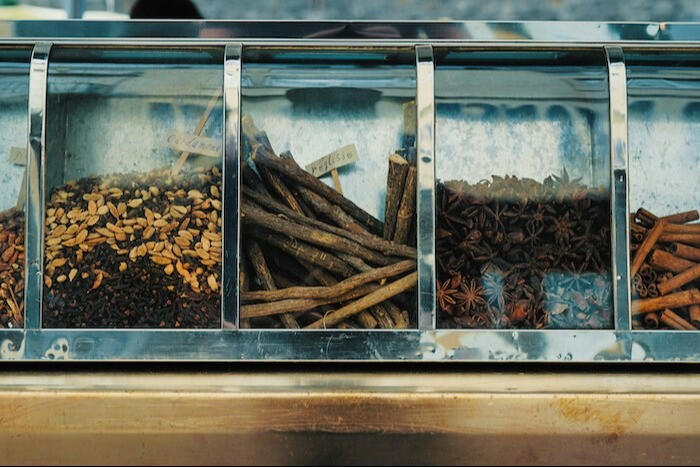
Through Florence’s extensive trade networks, exotic spices and ingredients flooded the city, allowing chefs to experiment with flavors that were once reserved for the elite.
The Anatomy of Dolce Forte
A traditional Dolce Forte sauce is a complex layering of ingredients that hits every part of the palate:
-
The Sweet: Honey, sugar, and dried fruits like raisins and prunes provided the base.
-
The Tangy: Red wine vinegar and citrus juices (oranges and lemons) were used to cut through the richness.
-
The Briny: Capers and olives added a sophisticated salty contrast.
-
The Exotic: Spices like cinnamon, cloves, and nutmeg brought warmth, while almonds and pine nuts added a luxurious crunch.
Iconic Dishes of the Medici Era
Two primary dishes stand out as the ambassadors of this style, both of which we celebrate for their historical depth:
-
Cinghiale in Dolce Forte (Wild Boar): Perhaps the most famous application. The lean, gamey meat of the wild boar is slow-cooked until tender, then finished with a dark, rich sauce made of cocoa, vinegar, and dried fruits.
-
Anatra in Dolce Forte (Duck): A favorite in noble households, the fattiness of the duck is perfectly balanced by a luxurious sauce of honey and spices. This dish is often considered a precursor to the famous French Canard à l'Orange, which many historians believe Catherine de' Medici brought to France.
Dolce Forte in the Modern Kitchen
While these flavors might seem bold to a modern palate, they are experiencing a revival. Contemporary chefs in Florence are revisiting these historical recipes to create innovative dishes that honor the past while exciting the modern gourmet.
At MaMa Florence, our Tuscan cooking classes often bridge this gap between history and the modern table. Understanding the "Why" behind the flavors of the Medici helps our students become not just cooks, but storytellers.
Deepen Your Culinary Knowledge
For those who wish to study the Renaissance kitchen further, we recommend exploring these seminal works:
-
The Opera of Bartolomeo Scappi (1570): A foundational Renaissance cookbook.
-
The Florentine Table: A wonderful guide to regional recipes and their origins.
Conclusion
Exploring Dolce Forte is like taking a step back in time to a Florence of grand banquets and artistic discovery. It reminds us that Italian cuisine is a living history—one that is meant to be tasted, shared, and celebrated.
Are you ready to cook like a Medici? Join us at MaMa Florence for an authentic Florence cooking class. Whether you want to master handmade pasta or dive deep into traditional Tuscan meats, our expert chefs are ready to guide you through the flavors of the Renaissance.