Meat
Faraona all’Arancia: Tuscan Orange Guinea Fowl | Mama Florence Cooking School
Course: Main Course - Cuisine: Tuscan, Italian; Serves: 4. Prep: approx. 15 min. Cook: approx. 1 hr. Total: approx. 1 hr 15 min.
Course: Main Course - Cuisine: Tuscan, Italian; Serves: 4. Prep: approx. 15 min. Cook: approx. 1 hr. Total: approx. 1 hr 15 min.
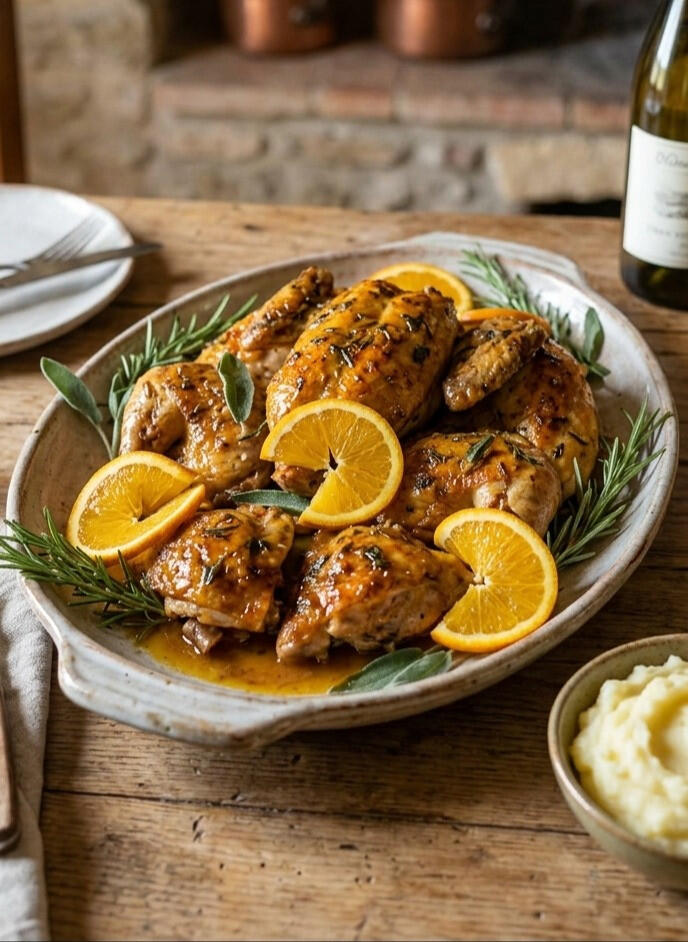
Guinea fowl has enough character to stand up to ingredients that might overwhelm a milder bird. That is what makes Faraona all’Arancia work so well. Pancetta brings savory richness, rosemary and sage perfume the pan, dry white wine gives the cooking juices depth, and orange arrives at the end to brighten everything without turning the dish sweet. At Mama Florence Cooking School, this Tuscan guinea fowl recipe is cooked in stages. Onion and pancetta are softened first, the bird is browned with fresh herbs, and white wine is allowed to reduce before the meat cooks slowly under a lid. Only in the final minutes are the orange juice and slices added, concentrating into a glossy citrus sauce around the guinea fowl. It is the kind of main course that feels special enough for a dinner table but still depends on very straightforward cooking: good ingredients, careful browning, and enough time for the meat to become tender.
The key is to build the dish in layers rather than adding everything to the pan at once. First, red onion and pancetta cook slowly in extra virgin olive oil until the onion becomes tender and translucent. The rosemary, sage, and guinea fowl are then added. The meat is seasoned and browned well on all sides before the pan is deglazed with dry white wine. After the alcohol evaporates, the guinea fowl cooks covered over medium-low heat for approximately 30 minutes. Fresh orange juice and slices are added only at the end. The heat is then increased and the pan left uncovered for another 5–6 minutes, allowing the sauce to reduce and glaze the meat.
Mama’s Secret: Give the guinea fowl time to brown properly before adding the wine. That color becomes part of the finished sauce, while the final high-heat orange stage should reduce the juices rather than simply warm them.
Faraona all’Arancia Ingredients
• 1 whole guinea fowl, cleaned and cut into pieces • 1 red onion • 3½ oz pancetta, diced • About ¾ cup dry white wine • 1 sprig fresh rosemary • 4 fresh sage leaves • Juice of 1 orange • ½ orange, thinly sliced • ¼ cup extra virgin olive oil • Salt, to taste • Freshly ground black pepper, to taste
1. Prepare the Guinea Fowl and Aromatics
2. Cook the Onion and Pancetta
3. Add the Herbs and Guinea Fowl
4. Brown the Guinea Fowl
5. Deglaze with White Wine
6. Cook Gently
7. Add the Orange
8. Serve
Orange changes the balance of the dish without making it taste like a sweet glaze. The juice brings acidity and freshness to a pan already rich with pancetta and browned poultry, while the thin orange slices add fragrance and reinforce the citrus flavor as the sauce reduces. Adding the orange at the end also matters. Long cooking would mute much of its freshness; a short, hot finish allows the citrus to remain recognizable while still integrating into the sauce.
The wine bridges the browned meat and the final citrus sauce. Added after the guinea fowl has developed color, it loosens the concentrated cooking juices from the pan and gives them enough liquid to become the base of the braise. Allowing the alcohol to evaporate before covering the pan keeps the flavor integrated rather than sharp. By the time the orange is added, the wine has already become part of the savory foundation of the dish.
A soft, neutral side works especially well because the guinea fowl already has plenty of flavor from pancetta, herbs, wine, and orange. Our Italian Purè di Patate is particularly well suited to it. The potatoes are made with warm milk, butter, and freshly grated nutmeg, giving the orange-and-wine pan sauce somewhere to settle without competing with the meat. Roasted seasonal vegetables are another natural choice, especially in autumn and winter when this sort of dish feels most at home. A good piece of Tuscan bread at the table would also make very short work of the remaining sauce.
The guinea fowl should be tender and deeply savory, with browned edges carrying the flavor of pancetta, rosemary, and sage. Then comes the sauce: white wine underneath, fresh orange above it, and the richness from the meat and pancetta tying the two together. The orange should lift the dish rather than sweeten it. The best bite catches tender guinea fowl with a little pancetta, softened onion, a trace of sage, and enough glossy citrus sauce to bring everything together.
For the most natural accompaniment, make our Purè di Patate, a classic Italian mashed potato recipe with butter, warm milk, and nutmeg. If you want another slow-cooked Tuscan meat dish, Peposo con Purè di Patate moves in a darker direction with beef, black pepper, red wine, and herb-infused potatoes. And to build a full Tuscan menu around the guinea fowl, you could begin with Crostini di Fegatini, move into a filled pasta such as Spinach and Ricotta Tortelli, and finish with a Florentine dessert such as Zuccotto. That gives the internal linking real culinary logic rather than simply stacking unrelated recipes.
Faraona all’Arancia is exactly the kind of recipe that shows why traditional Tuscan cooking is about more than following an ingredient list. The order matters: soften the aromatics, brown the meat, reduce the wine, cook gently, then add the citrus only when it can have the greatest impact. At Mama Florence Cooking School, our Tuscan Traditional Cooking Course is built around that same approach, with a seasonal four-course menu including an appetizer, filled fresh pasta, a main course, and traditional dessert, accompanied by wine. Mama Florence’s current schedule also includes the Florence Market Tour & Traditional Tuscan Cooking Classalongside the Tuscan Traditional Cooking Course, for guests who want to begin with the ingredients before moving into the kitchen.
Q: What is Faraona all’Arancia? A: Faraona all’Arancia is guinea fowl cooked with orange. This Tuscan recipe combines the bird with pancetta, red onion, rosemary, sage, dry white wine, and fresh orange.
Q: What does guinea fowl taste like? A: Guinea fowl has a fuller, slightly more distinctive flavor than ordinary chicken, while remaining mild enough to pair well with herbs, wine, and citrus.
Q: How long does guinea fowl take to cook in this recipe? A: The full cooking process is approximately 60 minutes: about 15 minutes for the onion and pancetta, 10 minutes browning the bird, 30 minutes covered, and another 5–6 minutes with the orange.
Q: What wine should I use for Faraona all’Arancia? A: The recipe calls for one glass of dry white wine.
Q: When should I add the orange? A: Add the fresh orange juice and slices only after the guinea fowl has cooked covered for approximately 30 minutes.
Q: Why is the orange added at the end? A: The shorter cooking time preserves more of the citrus aroma and allows the juice to reduce into the sauce without losing all of its freshness.
Q: What herbs are used with guinea fowl? A: This recipe uses one sprig of fresh rosemary and four fresh sage leaves.
Q: Does this recipe use pancetta? A: Yes. It uses 100 g pancetta, cooked with the red onion at the beginning of the recipe.
Q: What should I serve with Tuscan orange guinea fowl? A: Italian mashed potatoes are an especially good pairing because they absorb the orange-and-wine sauce. Roasted seasonal vegetables also work well.
Q: Can I make Faraona all’Arancia for a dinner party? A: Yes. It works especially well as an autumn or winter main course because much of the cooking happens gently in one pan before the final orange glaze.
Please note that our chefs may adapt recipes according to seasonal ingredient availability and participants’ dietary or allergy requirements. As a result, the ingredients, preparation, or presentation shown in this recipe may vary from what you prepared during your Mama Florence class. In some cases, elements of a dish may also appear as separate recipes. Please reach out to our team if any confusion arises. Thank you - the Mama Florence Family
More recipes and stories from our kitchen
Course: Main Course - Cuisine: Tuscan, Italian; Serves: 4. Prep: approx. 15 min. Cook: approx. 30–35 min. Total: approx. 45–50 min.
Course: Main Course - Cuisine: Tuscan, Italian; Serves: 8. Prep: approx. 20 min. Cook: approx. 55–60 min. Total: approx. 1 hr 15–20 min.
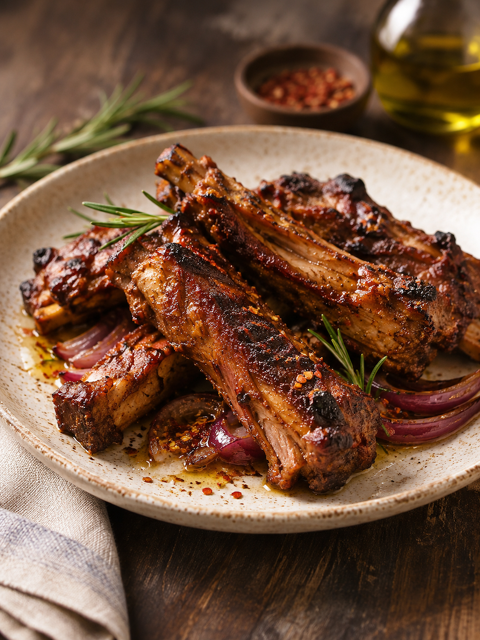
Course: Main Course - Cuisine: Tuscan, Italian; Serves: 4. Prep: approx. 10 min. Cook: approx. 35–40 min. Total: approx. 45–50 min.
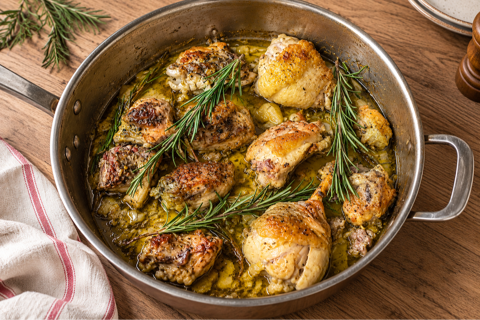
Course: Main Course - Cuisine: Tuscan, Italian; Serves: 4. Prep: approx. 20 min. Cook: approx. 55–60 min. Total: approx. 1 hr 15–20 min.
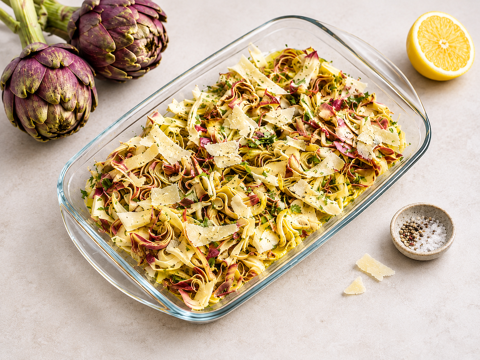
Course: Appetizer / Salad - Cuisine: Tuscan, Italian; Serves: 4. Prep: approx. 15 min. Soak: at least 1 hr. Total: approx. 1 hr 15 min.
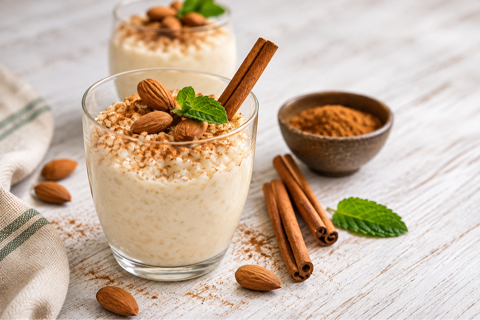
Course: Dessert - Cuisine: Italian, Tuscan-inspired; Serves: 6. Prep: approx. 20–25 min. Chill: several hours, until set. Total: approx. 25 min active, plus chi...
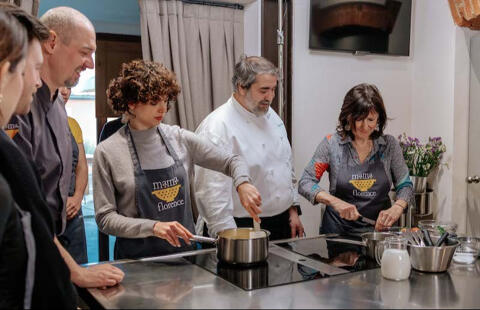
Come join us for a fantastic hands-on cooking class focused on authentic, regional Tuscan specialties
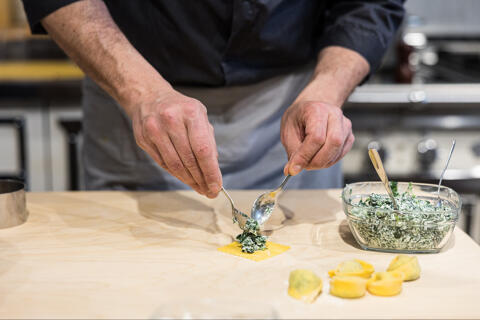
Come join us for a fantastic hands-on cooking class focused on authentic, regional Tuscan specialties
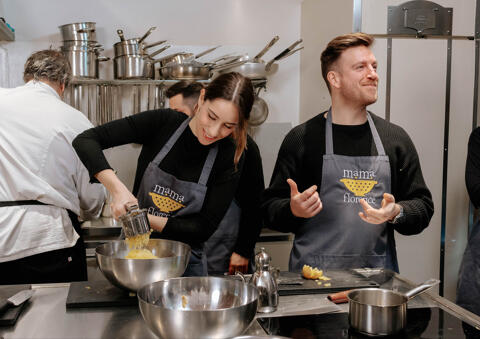
With so many of Italy’s dishes already gluten-free your chef will tell you about the benefits of having at least some of...
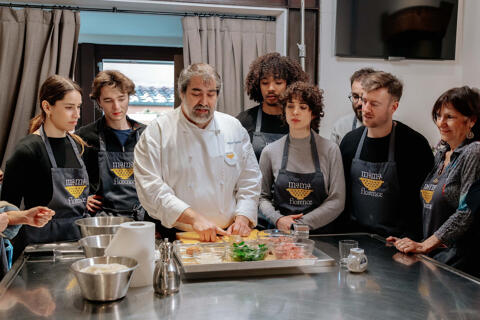
Unmissable pasta journey to discover the traditional flavors of Tuscany and Florence
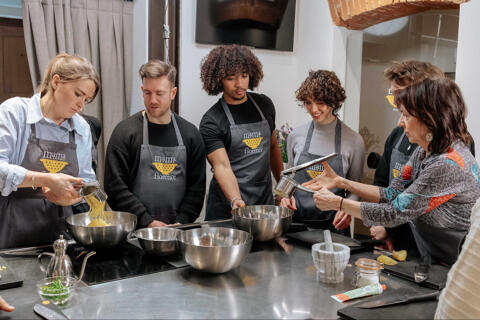
Learn Tuscan traditions and cuisine on a tour, then attend a hands-on cooking class at MaMa Florence Cooking School to l...
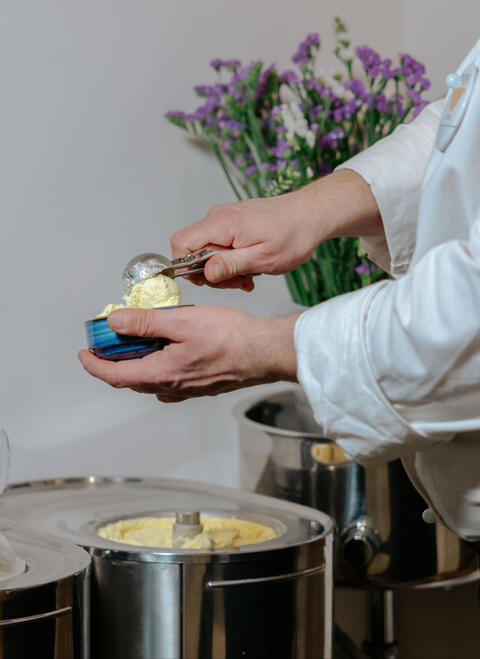
Italian gelato and traditional biscotti, hands-on, under expert guidance. Fresh, seasonal ingredients.