Tuscan Wine Pairing: A Guide to Traditional Dishes and Wines | Mama Florence Cooking School
Tuscan Wine Pairing Begins at the Table
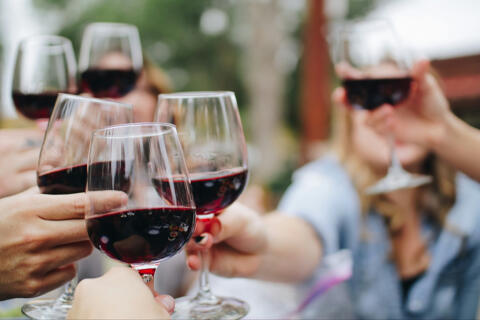
In Tuscany, wine rarely arrives at the table as an afterthought. It belongs beside the food, shaped by the same hills, seasons and traditions that shape the dish in front of it. A glass of Chianti beside crostini, Brunello with a generous cut of meat, or Vin Santo poured after dinner all make more sense when they are understood as part of the meal rather than separate from it.
That is what makes Tuscan wine pairing so enjoyable: the goal is not to find one rigidly 'correct' bottle, but to notice how acidity, tannin, richness, salt and sweetness answer one another across the table.
At Mama Florence Cooking School, this relationship between wine and food is part of how we explore Tuscan cooking. The most useful pairing lessons usually begin with the dish itself: what is rich, what is delicate, what needs freshness, and what deserves a wine with enough structure to stand beside it.

The Core Principles of Tuscan Wine Pairing
You do not need to memorize a long list of rules to pair Tuscan wine well. A few instincts will take you surprisingly far.
Match weight with weight. A robust Tuscan red such as Brunello di Montalcino or Chianti Classico Riserva makes sense beside richer meat dishes because neither disappears next to the other.
Use acidity to bring freshness. Wines such as Chianti, Vernaccia di San Gimignano and Vermentino can brighten food with olive oil, tomato, cheese or seafood, keeping a rich plate from feeling heavy.Think about the strongest flavor on the plate. A sauce, cured meat, aged cheese or deeply savory ragù may matter more to the pairing than the pasta, bread or vegetable underneath it.
And above all, remember that Tuscan dishes were never designed in isolation from Tuscan wine. The easiest pairings often feel natural because the food and wine grew up in the same regional conversation.
For a closer look at the grape behind many of Tuscany's best-known reds, our guide to Sangiovese explores the variety through Chianti, Brunello and Vino Nobile.
Antipasti: What Tuscan Wine Pairs with Crostini, Cured Meats and Cheese?
Tuscan antipasti often look simple, but they can carry plenty of flavor: toasted bread, chicken liver pâté, local cured meats, Pecorino, vegetables and a generous thread of extra virgin olive oil.
With crostini toscani, the earthy richness of chicken liver pâté works beautifully with a young, fruit-forward Chianti or a smooth Rosso di Montalcino. Their freshness helps lift the richness rather than compete with it.
For cured meats and Pecorino, look for a wine with enough acidity and structure to meet the salt and fat. Chianti is a natural place to begin, while a more mature cheese can comfortably take a deeper, more structured red.
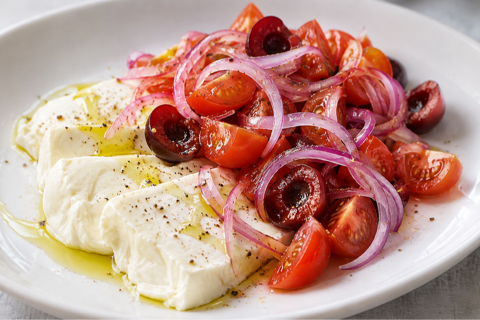
For vegetable antipasti and dishes led by extra virgin olive oil, a crisp Vernaccia di San Gimignano or coastal Vermentino gives the palate a cleaner, brighter counterpoint.

Primi Piatti: Tuscan Wine Pairing for Pasta, Ragù and Soups
Primi piatti are where Tuscan wine pairing becomes especially interesting, because the same course can move from a delicate filled pasta to a dark, slow-cooked wild boar ragù.
Pappardelle al Cinghiale and Rich Meat Ragù
Pappardelle al cinghiale brings depth, fat and the unmistakable savoriness of wild boar. It needs a red with structure rather than simple fruit.
Chianti Classico Gran Selezione, a structured Brunello di Montalcino or a bold Super Tuscan can all stand beside a rich meat ragù without being swallowed by it. The important thing is enough acidity and tannin to refresh the palate between bites.
Ribollita, Pappa al Pomodoro and Fresh Pasta
Rustic Tuscan soups such as Ribollita and Pappa al Pomodoro are deeply flavorful without the weight of a meat ragù. A medium-bodied Rosso di Montepulciano can bring enough fruit and structure without overpowering the dish.
For lighter fresh pasta, including handmade ravioli with ricotta and spinach, a floral Vernaccia di San Gimignano offers freshness and a cleaner finish.

Secondi: Tuscan Wine with Florentine Steak and Seafood
Secondi show just how broad the Tuscan table really is. Inland Tuscany gives us some of Italy's most famous meat dishes; along the coast, seafood calls for an entirely different kind of wine.
Bistecca alla Fiorentina
Few Tuscan dishes ask for structure as confidently as Bistecca alla Fiorentina. Thick, juicy and grilled over high heat, the steak brings char, richness and a deep beef flavor that can make a lighter wine disappear.
Brunello di Montalcino, Chianti Classico Riserva or Vino Nobile di Montepulciano are natural companions. Their acidity helps cut through the richness of the meat, while their tannins have enough presence to meet its texture.
Cacciucco and Coastal Seafood
Move toward the Tuscan coast and the pairing changes. Cacciucco, grilled white fish and other seafood dishes call for freshness, salinity and restraint rather than heavy tannin.
An aromatic Vermentino della Costa Toscana or a crisp, dry Tuscan rosé keeps the pairing lively, especially when tomato, herbs or olive oil are part of the dish.

Dessert: Vin Santo and Cantucci
One of Tuscany's most recognizable endings is also one of its simplest: Cantucci served beside a small glass of Vin Santo.
The pairing works because the wine brings sweetness, acidity and warmth while the almond biscuits bring crunch and toasted nuttiness. Neither needs to become overly complicated.
Vin Santo also reminds us that wine pairing does not end when the main course leaves the table. In Tuscany, the final glass can be part of the rhythm of the meal itself.

How We Approach Tuscan Wine Pairing at Mama Florence Cooking School
A useful wine pairing should make you notice the food more clearly, not distract you from it. That is the principle we return to at Mama Florence Cooking School.
Rather than beginning with rules, begin with the plate. Taste the acidity of the tomato, the salt of the Pecorino, the richness of the meat or the sweetness of the dessert. Then ask what the wine can contribute: freshness, structure, perfume, contrast or continuity.
That same approach sits behind our Tuscan Cooking Class and our wine tasting and pairing experiences: understand the ingredients first, then let the pairing make the meal more complete.
Note from Mama:
The best wine pairing is not the one that sounds the most impressive. It is the one that makes you reach for another bite, then another sip.
Tuscan food and wine have spent generations growing up together. Start with balance, pay attention to what is actually on the plate, and let the meal tell you what it needs.
Tuscan Wine Pairing FAQ
Q: What wine pairs best with Tuscan food? A: It depends on the dish. Chianti and other Sangiovese-based reds work well with many savory Tuscan dishes, while Vernaccia and Vermentino suit lighter vegetable, pasta and seafood preparations.
Q: What Tuscan wine goes with Bistecca alla Fiorentina? A: Structured reds such as Brunello di Montalcino, Chianti Classico Riserva or Vino Nobile di Montepulciano are classic choices for Florentine steak.
Q: What wine pairs with Tuscan pasta and ragù? A: Rich meat ragùs such as pappardelle al cinghiale need structured reds with acidity and tannin. Lighter fresh pastas can work beautifully with medium-bodied reds or Tuscan whites such as Vernaccia.
Q: What wine goes with Ribollita or Pappa al Pomodoro? A: A medium-bodied Tuscan red such as Rosso di Montepulciano can complement these rustic soups without overwhelming them.
Q: What is the traditional Tuscan dessert wine pairing? A: Cantucci with Vin Santo is one of Tuscany's best-known dessert pairings, combining crisp almond biscuits with a sweet, aromatic wine.