Vegeterian
Tuscan Artichoke and Parmesan Salad | Mama Florence Cooking School
Course: Appetizer / Salad - Cuisine: Tuscan, Italian; Serves: 4. Prep: approx. 15 min. Soak: at least 1 hr. Total: approx. 1 hr 15 min.
Course: Appetizer / Salad - Cuisine: Tuscan, Italian; Serves: 4. Prep: approx. 15 min. Soak: at least 1 hr. Total: approx. 1 hr 15 min.
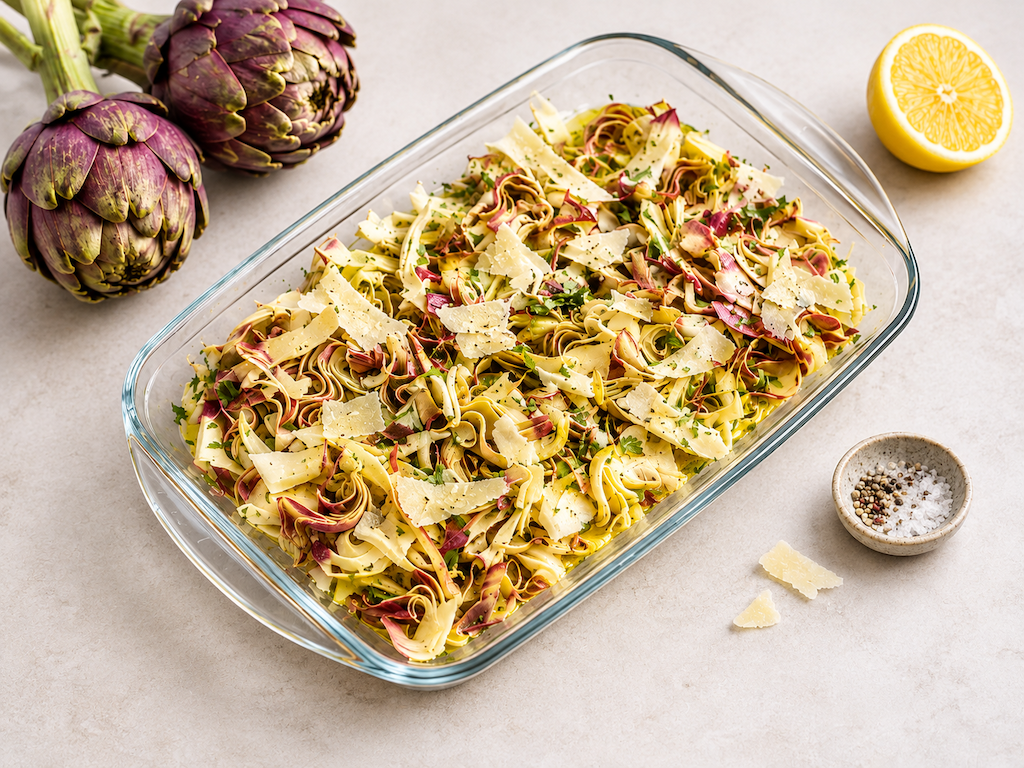
When artichokes are young and tender, they do not need to be buried under a heavy dressing. At Mama Florence Cooking School, our fresh artichoke salad keeps the ingredient almost completely raw. The artichokes are carefully cleaned, rubbed with lemon, and soaked in lemon water for at least 1 hour. They are then sliced very thinly and dressed simply with extra virgin olive oil and salt before being covered with Parmesan shavings. The result is crisp, fresh, slightly tart, and deeply savory. For another Tuscan salad built around fresh seasonal ingredients, our Panzanella combines tomatoes, cucumber, red onion, basil, toasted bread, olive oil, and vinegar.
Begin by trimming away the stems, tough outer leaves, and dark tips of the artichokes. Cut them in half and remove the hairy choke from the center. Rub the cleaned artichokes with lemon, then place them in a bowl of cold water mixed with the remaining lemon juice. Leave them to soak for at least 1 hour. Drain and slice the artichokes as thinly as possible. Dress with extra virgin olive oil and salt, plate immediately, and finish generously with thin Parmesan shavings.
Mama’s Secret: Slice the artichokes very finely. The thinner the slices, the more delicate the raw texture becomes and the better the olive oil and Parmesan can coat each bite.
Artichoke Salad Ingredients:
• 4 fresh artichokes • 1 lemon • Parmesan cheese, as needed • Extra virgin olive oil, as needed • Salt, as needed
1. Clean the Artichokes
2. Soak in Lemon Water
3. Slice the Artichokes
4. Dress the Salad
5. Finish with Parmesan
Freshly cut artichokes darken quickly when exposed to air. Lemon water slows that oxidation and helps preserve their pale color. In our recipe, the 1-hour soak also gives the raw artichokes a subtle citrus aroma before they are sliced and dressed. This is not just a quick rinse; it is part of the preparation and should be included in the recipe timing.
Raw artichokes have much more structure than cooked ones. Slicing them very thinly makes the texture more delicate and easier to eat. It also increases the surface area, so the olive oil, salt, and Parmesan reach more of each slice. The goal is a crisp salad, not thick pieces that feel fibrous or tough.
Artichokes have a vegetal flavor with a slight bitterness. Parmesan brings saltiness and richness, which balances that freshness without covering it. The cheese is best added in thin shavings rather than worked into a heavy dressing. That keeps the artichoke itself at the center of the dish.
There is no complicated vinaigrette here. The lemon has already flavored the artichokes during the soak, so the finished salad only needs extra virgin olive oil and salt. That restraint is important. A stronger dressing could easily overwhelm the delicate texture and flavor of the raw artichokes.
The artichoke should remain crisp and fresh, with just enough lemon in the background to brighten it. Extra virgin olive oil softens the raw edge, while salt sharpens the flavor. Then the Parmesan adds a savory, slightly nutty finish. The best bite catches several thin artichoke slices with a shaving of cheese rather than either ingredient on its own.
For another Tuscan salad, our Panzanella combines toasted stale bread with ripe tomatoes, cucumber, red onion, basil, extra virgin olive oil, and vinegar. Our Cherry Tomato and Crescenza Salad takes a softer, creamier direction with fresh tomatoes and cheese. And if you want another artichoke-centered preparation, our Fresh Artichoke and Pecorino Salad pairs the same vegetable with a more assertive sheep’s milk cheese.
This salad is a good example of how much Italian cooking depends on ingredient quality and seasonality. There is very little cooking to hide behind. The tenderness of the artichokes, the quality of the olive oil, and how finely everything is sliced determine the finished dish. At Mama Florence Cooking School, our current schedule includes both Tuscan Traditional Cooking and Vegetarian Cooking classes alongside market and pasta experiences. You can explore our Cooking Classes in Florence or our Tuscan Traditional Cooking Course for more hands-on seasonal Italian cooking.
Q: How many artichokes do I need? A: Our recipe uses 4 fresh artichokes for 4 servings.
Q: Are the artichokes cooked? A: No. They are cleaned, soaked in lemon water, sliced very thinly, and served raw.
Q: How long should the artichokes soak? A: At least 1 hour in cold lemon water.
Q: Why do artichokes turn brown after cutting? A: Cut artichokes oxidize quickly when exposed to air. Lemon water helps slow that process.
Q: What part of the artichoke should I remove? A: Remove the stem, tough outer leaves, dark tips, and the hairy choke from the center.
Q: What cheese is used? A: The recipe uses Parmesan.
Q: How should I cut the Parmesan? A: The method calls for thin shavings. A truffle slicer can be used if available.
Q: What is the dressing? A: Extra virgin olive oil and salt, with the lemon flavor coming from the soaking stage.
Q: Can this be served as an appetizer? A: Yes. It works well as an appetizer, light salad, or side dish.
Q: Is this salad vegetarian? A: Yes, based on the supplied ingredients.
Please note that our chefs may adapt recipes according to seasonal ingredient availability and participants’ dietary or allergy requirements. As a result, the ingredients, preparation, or presentation shown in this recipe may vary from what you prepared during your Mama Florence class. In some cases, elements of a dish may also appear as separate recipes. Please reach out to our team if any confusion arises. Thank you - the Mama Florence Family
4.7 11 reviews
Salting them first and letting them drain is the step that stops the whole thing being watery. Do not skip it as I did the first time.
Served it warm rather than at room temperature as suggested and preferred it that way, though I can see why the recipe says otherwise.
I did a trial run a week before the dinner, which I recommend for anything you are serving to other people. The rehearsal taught me that my kitchen needs ten minutes less than the recipe says. On the night it was effortless. Nobody knew there had been a rehearsal.
Out of season it is a different dish. I made it in winter with what I could find and it was fine, but not the same. I tried it again in July with proper market vegetables and finally understood what it is supposed to be. Wait if you can.
More recipes and stories from our kitchen
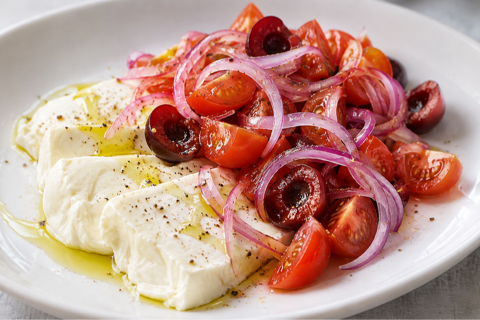
Course: Appetizer / Salad - Cuisine: Italian; Serves: 4. Prep: approx. 15 min. Soak: 1 hr. Total: approx. 1 hr 15 min.
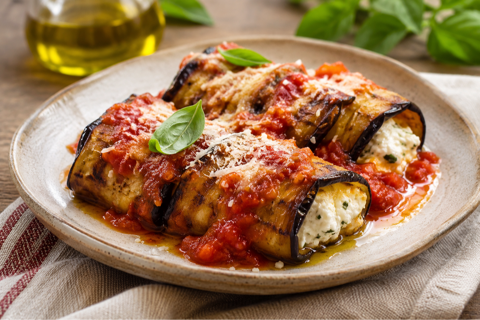
Course: Appetizer / Light Main - Cuisine: Italian; Serves: 4. Prep: approx. 20 min. Cook: approx. 25–30 min, plus final baking until cheese melts. Total: approx...
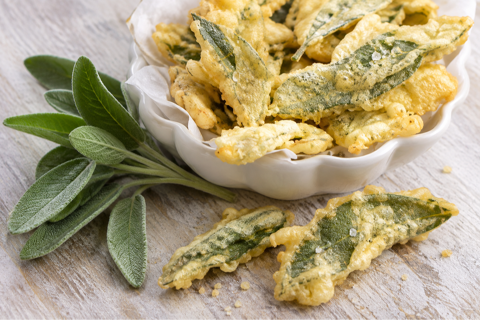
Course: Appetizer / Aperitivo - Cuisine: Tuscan, Italian; Serves: 4. Prep: approx. 10 min. Cook: approx. 5 min. Total: approx. 15 min.
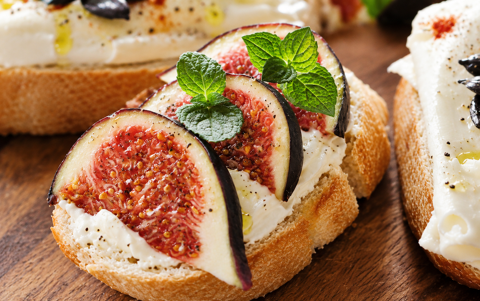
Course: Appetizer / Antipasto - Cuisine: Italian, Tuscan; Serves: confirm. Prep: approx. 10 min. Toast: approx. 2–5 min. Total: approx. 15 min.
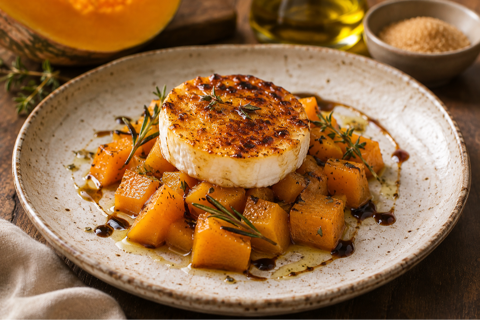
Course: Appetizer - Cuisine: Italian; Serves: 4. Prep: approx. 15 min. Cook: approx. 15–20 min. Total: approx. 30–35 min.
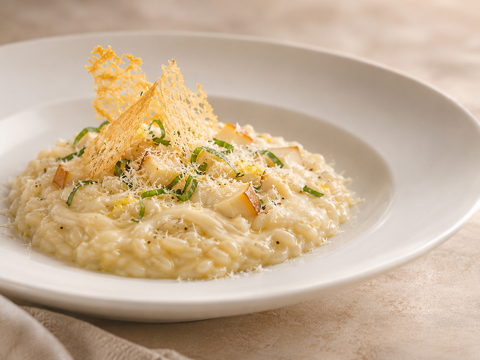
Course: First Course / Risotto - Cuisine: Italian; Serves: 4. Prep: approx. 10 min. Cook: approx. 20 min. Rest: 1 min. Total: approx. 30 min.
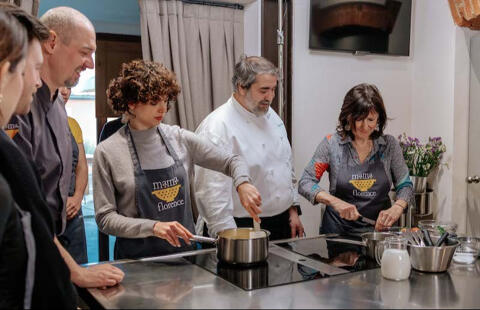
Come join us for a fantastic hands-on cooking class focused on authentic, regional Tuscan specialties
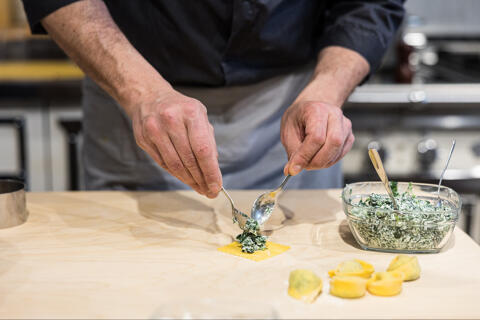
Come join us for a fantastic hands-on cooking class focused on authentic, regional Tuscan specialties
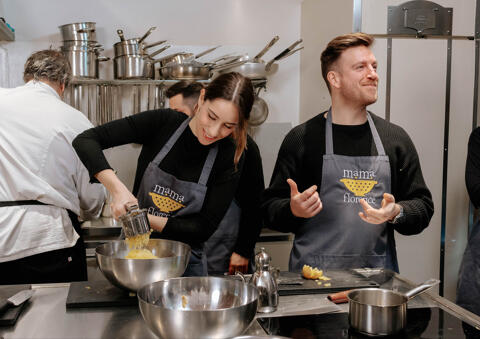
With so many of Italy’s dishes already gluten-free your chef will tell you about the benefits of having at least some of...
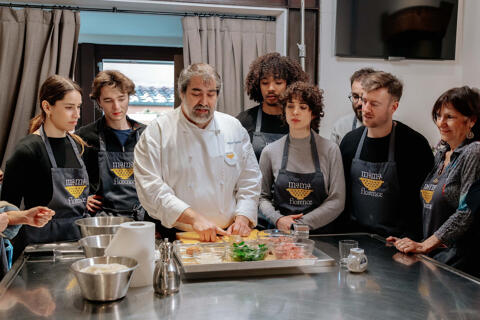
Unmissable pasta journey to discover the traditional flavors of Tuscany and Florence
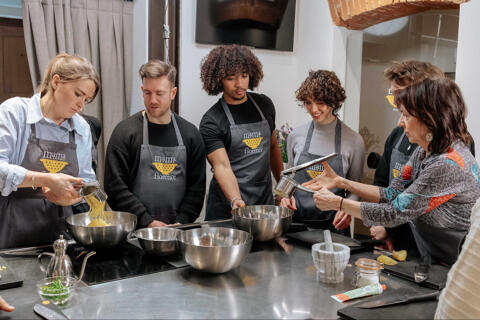
Learn Tuscan traditions and cuisine on a tour, then attend a hands-on cooking class at MaMa Florence Cooking School to l...
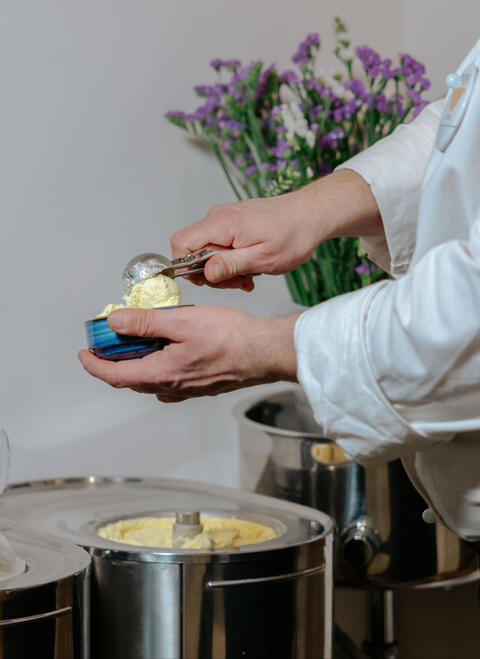
Italian gelato and traditional biscotti, hands-on, under expert guidance. Fresh, seasonal ingredients.