Pasta
Handmade Cavatelli with Beef Ragù | Mama Florence Cooking School
Course: Pasta / Main Course - Cuisine: Italian; Serves: 4. Prep: approx. 30 min. Cook: at least 2 hr 15 min. Total: approx. 2 hr 45 min.
Course: Pasta / Main Course - Cuisine: Italian; Serves: 4. Prep: approx. 30 min. Cook: at least 2 hr 15 min. Total: approx. 2 hr 45 min.
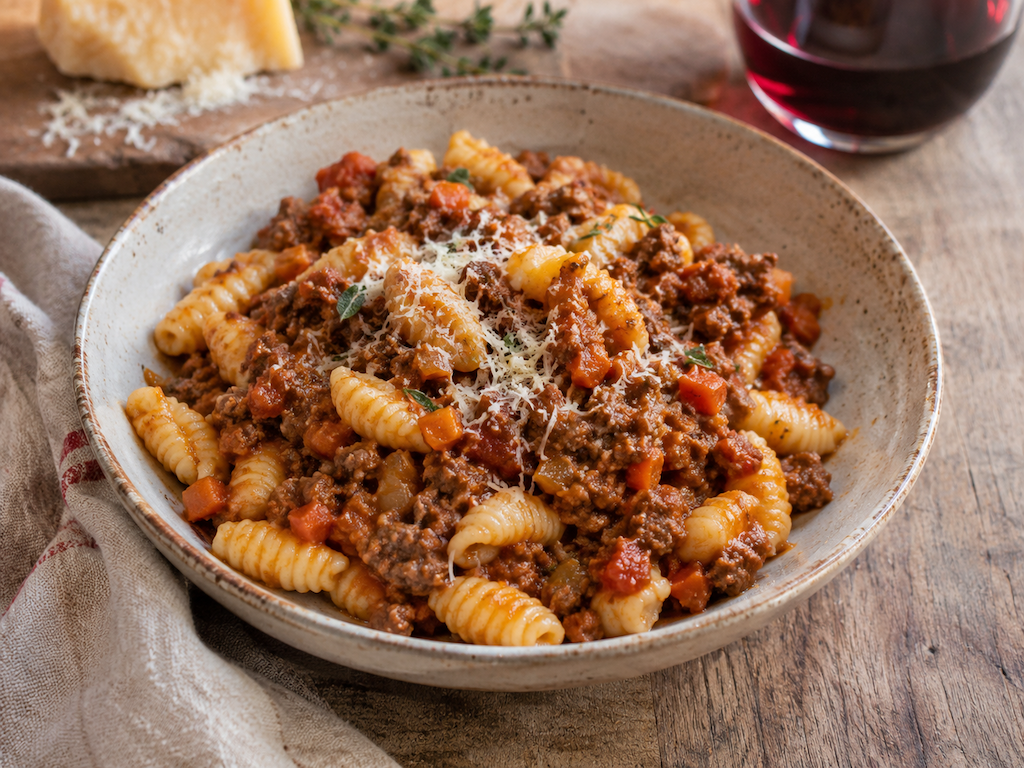
There is something deeply satisfying about pairing a pasta shaped entirely by hand with a sauce that has spent hours developing in the pot. Our handmade cavatelli with beef ragù brings those two techniques together. The cavatelli are made from a simple flour, semola, and water dough, then shaped individually by pressing and dragging each small piece with the fingers to create their characteristic hollow. That texture makes them particularly good at catching a thick meat sauce. The ragù begins with onion, carrot, celery, and garlic, followed by ground beef, red wine, tomato, and aromatic herbs. It then cooks gently for at least two hours until concentrated and deeply savory. If you want to explore ragù as a standalone sauce, our Italian Meat Ragù takes a different formulation and is worth treating as a separate Mama Florence recipe rather than assuming the two sauces are interchangeable.
Start the ragù first because it needs the longest cooking time. Finely chop the onion, carrot, celery, and garlic and cook them gently in extra virgin olive oil with the herbs until fragrant and golden. Add the ground beef and brown it over higher heat until the liquid released by the meat has mostly evaporated. Deglaze with red wine, then add the tomato. Lower the heat, cover, and let the ragù simmer gently for at least 2 hours, adding a little water if it becomes too dry. While the sauce cooks, make the cavatelli dough. Combine the all-purpose flour and semola, then add cold water gradually until a firm dough forms. Knead until elastic, roll the dough into thin ropes, cut them into small pieces, and press each one with your index and middle fingers to form the characteristic cavatelli shape. Boil the fresh pasta for 5–6 minutes, then finish it directly in the beef ragù.
Mama’s Secret: Cavatelli should have enough indentation to catch the sauce. When shaping each piece, press and drag rather than simply flattening it.
Beef Ragù Ingredients:
• 10½ oz ground beef • 1 onion • 1 carrot • 1 celery stalk • 1 garlic clove • About ¾ cup + 1 tablespoon red wine • 8¾ oz canned tomatoes • Extra virgin olive oil, as needed • Fresh rosemary, as neede • Fresh sage, as neede • Fresh thyme, as neede • Bay leaf, as neede • Salt, as neede • Freshly ground black pepper, as neede • Water, as needed during cookin • Grated Parmigiano, as needed for serving
Homemade Cavatelli Ingredients:
• 8¾ oz semola flour • 8¾ oz all-purpose flour • Cold water, as needed • Extra semola, as needed for dusting
1. Prepare the Soffritto
2. Brown the Beef
3. Deglaze with Red Wine
4. Add the Tomatoes
5. Slowly Cook the Ragù
6. Make the Cavatelli Dough
7. Knead the Dough
8. Roll the Dough into Ropes
9. Cut the Cavatelli
10. Shape the Cavatelli
11. Cook the Fresh Cavatelli
12. Finish the Pasta in the Ragù
13. Serve
The defining feature of cavatelli is their hollow. That small indentation gives thick sauces somewhere to collect. With a slow-cooked beef ragù, the sauce does not simply sit on the outside of the pasta. Small pieces of meat and tomato settle into the curved shape, giving each bite a better balance of pasta and sauce. That is why pasta shape matters. The same ragù served with a long pasta would produce a completely different eating experience.
Once the beef, red wine, tomato, vegetables, and herbs are in the pot, low heat does most of the work. The minimum 2-hour simmer gives the sauce time to concentrate and allows the flavors of the soffritto, beef, wine, tomato, and herbs to become integrated. If the sauce begins reducing too quickly, our recipe calls for a little water rather than turning up or radically changing the sauce. The end result should be thick enough to cling to the cavatelli without becoming dry.
Ground beef releases moisture as it cooks. Allowing that liquid to evaporate before deglazing concentrates the meat flavor and allows the beef to brown properly. The red wine then loosens the flavorful browned material from the bottom of the saucepan and carries it back into the sauce. This gives the ragù greater depth before the tomato and long simmer begin.
Semola gives the pasta structure and a pleasantly firm bite. Our dough uses equal weights of all-purpose flour and semola, which balances elasticity with enough strength for shaping. The dough needs to be firm because each piece is pressed and dragged across the board. A dough that is too soft will lose the characteristic hollow, while one that is too dry may crack during shaping.
Both are handmade Italian pastas that can be made without eggs, but their shapes are completely different. Our Fresh Pici Pasta is rolled by hand into long, thick strands, while cavatelli are cut into small pieces and hollowed individually. That difference changes which sauces suit them best. Pici are excellent with sauces that coat a long strand, while cavatelli are especially good at catching chunky sauces inside their curved centers.
The cavatelli should feel firm and pleasantly chewy rather than soft. Each hollow should carry a little of the beef ragù. The sauce itself should be concentrated from its long simmer, with the sweetness of the soffritto underneath the beef, red wine, tomato, and herbs. Parmigiano brings the final salty, savory note. The best bite catches a piece of cavatelli with ragù tucked into its center and just enough grated cheese over the top.
If shaping cavatelli has made you want to continue with hand-formed pasta, our Fresh Pici Pasta is another excellent place to start. For a completely different pasta technique, our Fresh Egg Tagliatelle introduces traditional egg pasta and rolling. If the sauce is what interests you most, compare this beef-only ragù with our separate Italian Meat Ragù, which uses a different meat and ingredient formulation. And for filled pasta, our Potato Tortelli moves from hand-shaped pasta into the world of fresh pasta wrapped around a savory filling.
This is one of those recipes where written instructions can explain the motion, but shaping the pasta by hand makes the technique much easier to understand. Mama Florence has a dedicated Cavatelli Pasta Workshop in Florence, focused specifically on cavatelli and fresh pasta technique. The current class includes cavatelli shaping alongside another fresh filled pasta and sauce preparation. You can also explore our broader Pasta Making Cooking Classes in Florence, which currently include fresh pasta, gnocchi, corzetti, pesto and pasta, and other regional formats. For cavatelli especially, the value is tactile: learning how firm the dough should feel, how much pressure to use, and how far to drag each piece so the hollow forms without flattening the pasta.
Q: What are cavatelli? A: Cavatelli are small hand-shaped Italian pasta with a curved, hollow center designed to catch sauce.
Q: Does cavatelli dough contain eggs? A: Not in our recipe. The dough is made with all-purpose flour, semola, and cold water.
Q: How much flour do I need? A: Our recipe uses 8¾ oz all-purpose flour and 8¾ oz semola flour.
Q: How do you shape cavatelli? A: Cut the dough into small pieces, then press and drag each one with your index and middle fingers to create the characteristic hollow.
Q: How thick should the dough ropes be? A: Roll them to approximately ⅛–¼ inch thick before cutting.
Q: How long does fresh cavatelli cook? A: Our recipe cooks fresh cavatelli for approximately 5–6 minutes.
Q: What sauce goes well with cavatelli? A: Thick sauces such as beef ragù work especially well because the curved shape catches the sauce.
Q: How long should the beef ragù simmer? A: At least 2 hours over very low heat.
Q: What do I do if the ragù becomes too dry? A: Add a small splash of water and continue cooking gently.
Q: Should I finish cavatelli in the sauce? A: Yes. Toss the cooked cavatelli directly in the ragù for 1–2 minutes before serving.
Q: Can I make cavatelli without a pasta machine? A: Yes. This recipe is shaped by hand using your fingers and a lightly floured work surface.
Q: What should I serve on top? A: Finish with freshly grated Parmigiano.
Please note that our chefs may adapt recipes according to seasonal ingredient availability and participants’ dietary or allergy requirements. As a result, the ingredients, preparation, or presentation shown in this recipe may vary from what you prepared during your Mama Florence class. In some cases, elements of a dish may also appear as separate recipes — for example, the fresh pasta you prepared may be paired here with a different sauce, while the sauce from your class may appear in another recipe. Please reach out to our team if any confusion arises. Thank you — the Mama Florence Family.
4.8 8 reviews
Made it for four generations at the same table and there was nothing left. That does not happen often.
Made most of it at home and finished it at a friend's place, which is exactly what I needed that evening.
I have chased this flavour through a lot of disappointing restaurant versions at home. It turns out the answer was to stop ordering it and make it myself. Not perfect on the first go, but already closer than anything I have paid for.
I was sceptical about how few ingredients there are and nearly went looking for a more complicated version. Turns out that is the point. Everything depends on the quality of what goes in and on not rushing it.
More recipes and stories from our kitchen

Course: First Course / Pasta - Cuisine: Italian; Serves: 4. Prep: approx. 30 min. Rest/Marinate: 30 min. Cook: approx. 15–20 min. Total: approx. 1 hr 15 min.
Course: First Course / Pasta - Cuisine: Italian; Serves: 4. Prep: approx. 10 min. Cook: according to pasta package, plus 2 min. Total: approx. 25–30 min.
Course: First Course / Pasta - Cuisine: Roman, Italian; Serves: 6. Prep: approx. 30 min. Rest: 15 min. Sauce: at least 30 min. Total: approx. 1 hr 15 min, plus...
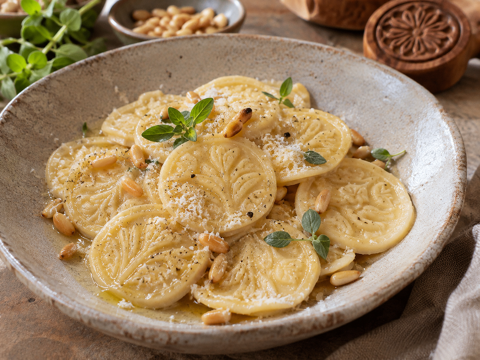
Course: First Course / Pasta - Cuisine: Ligurian, Italian; Serves: 8. Prep: approx. 40–45 min. Rest: 30 min. Cook: 4–5 min. Total: approx. 1 hr 15 min–1 hr 20 m...

Course: First Course / Pasta - Cuisine: Tuscan, Italian; Serves: 6. Prep: approx. 45 min. Rest: 15 min. Cook: approx. 30–40 min. Total: approx. 1 hr 30 min–1 hr...
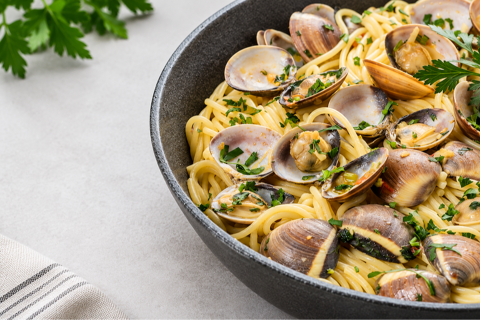
Course: First Course / Pasta - Cuisine: Italian; Serves: 4. Prep: approx. 10 min. Purge: 2 hr. Cook: approx. 15 min. Total: approx. 2 hr 25 min.
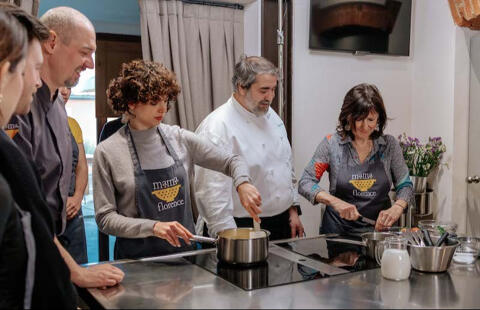
Come join us for a fantastic hands-on cooking class focused on authentic, regional Tuscan specialties
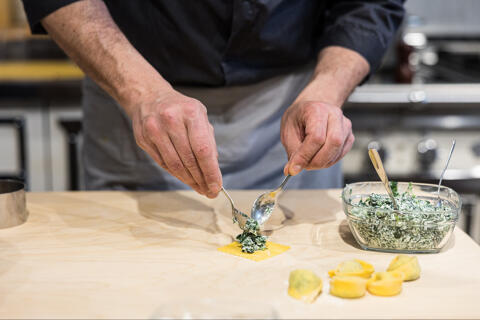
Come join us for a fantastic hands-on cooking class focused on authentic, regional Tuscan specialties
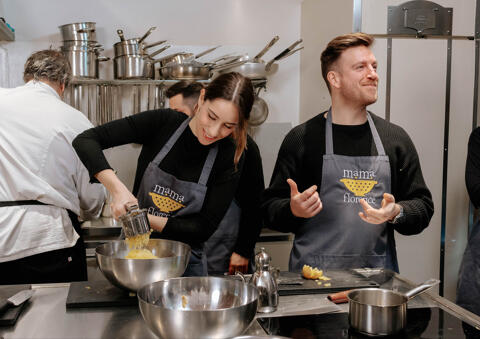
With so many of Italy’s dishes already gluten-free your chef will tell you about the benefits of having at least some of...
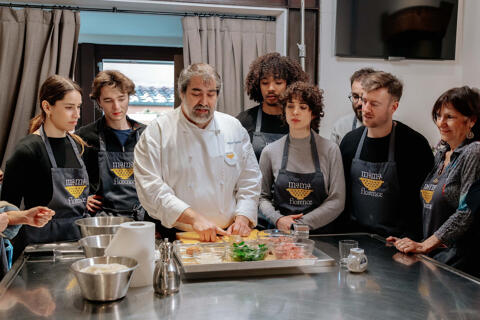
Unmissable pasta journey to discover the traditional flavors of Tuscany and Florence
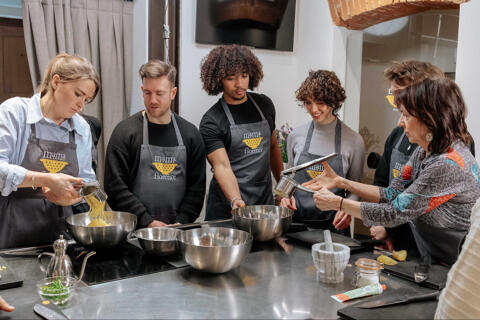
Learn Tuscan traditions and cuisine on a tour, then attend a hands-on cooking class at MaMa Florence Cooking School to l...
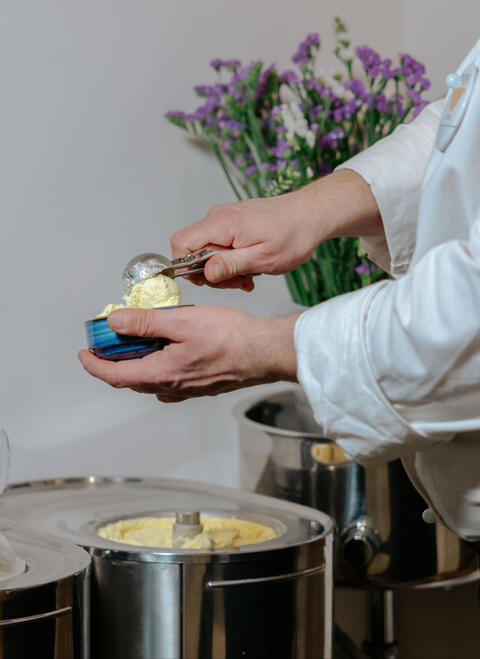
Italian gelato and traditional biscotti, hands-on, under expert guidance. Fresh, seasonal ingredients.