Sauce
Italian Béchamel Sauce Recipe: Besciamella for Lasagna | Mama Florence Cooking School
Course: Sauce - Cuisine: Italian; Serves: 4. Prep: approx. 5 min. Cook: approx. 15 min. Total: approx. 20 min.
Course: Sauce - Cuisine: Italian; Serves: 4. Prep: approx. 5 min. Cook: approx. 15 min. Total: approx. 20 min.
Béchamel may have French origins, but besciamella has become an essential part of Italian cooking, particularly in the food traditions of Emilia-Romagna. It is one of the foundational sauces behind dishes such as lasagna, cannelloni, baked pasta, and savory crêpes. At its simplest, Italian béchamel is made from just butter, flour, milk, salt, and nutmeg. The technique matters more than the ingredient list. Butter and flour are first cooked together into a smooth roux. Warm milk is then incorporated gradually while stirring continuously, creating a silky white sauce without lumps At Mama Florence Cooking School, this is the kind of foundational recipe worth learning once and remembering. Once you understand the roux, the temperature of the milk, and how to control the final thickness, besciamella becomes an incredibly versatile tool in the kitchen.
The most important step comes when the milk meets the roux. The milk should be warmed first and then added gradually rather than poured into the saucepan all at once. Keep stirring continuously as you add it. Adding the warm milk in a slow stream gives the flour and butter time to absorb the liquid evenly and helps prevent pockets of dry flour from becoming lumps.
Sauce Ingredients
• 4¼ cups whole milk • 7 tablespoons butter • ¾ cup + 1 tablespoon all-purpose flour • Salt, as needed • Freshly ground black pepper, as needed • Freshly grated nutmeg, as needed
1. Warm the Milk
2. Melt the Butter
3. Make the Roux
4. Add the Warm Milk
5. Cook Until Thickened
6. Season the Besciamella
7. Adjust the Consistency
Warm milk makes it easier to incorporate the liquid gradually into the roux. If the temperature difference between the milk and roux is too dramatic, the mixture can become harder to combine smoothly. More importantly, adding the milk little by little gives you control. You can whisk out each addition before adding the next, creating a smooth sauce rather than trying to rescue a pan full of lumps later.
Nutmeg is one of the defining seasonings in Italian besciamella. It should not make the sauce taste strongly of spice. Instead, a small amount gives warmth and depth to the milk, butter, and flour. Freshly grated nutmeg is particularly effective because its fragrance is much stronger than pre-ground spice. Add it gradually and taste as you go.
That depends entirely on what you are making. For lasagna, the béchamel should be creamy and spreadable enough to move easily across each layer. For fillings or dishes where the sauce needs to hold its shape more firmly, cook it slightly longer. The original Mama Florence recipe makes exactly this distinction: besciamella should generally be thick for fillings and semi-liquid for toppings. That is a useful rule because béchamel continues to thicken as it cooks and also firms slightly as it cools.
Béchamel is fundamental to many styles of Italian lasagna. It brings moisture and creaminess between the pasta layers while helping meat sauce, cheese, and pasta become one cohesive dish during baking. Spread it in a thin, even layer rather than treating it as a heavy topping. The goal is for the besciamella to become part of each forkful rather than forming a separate layer of sauce. That same principle makes it useful in cannelloni, baked pasta, savory crêpes, and other oven-baked first courses.
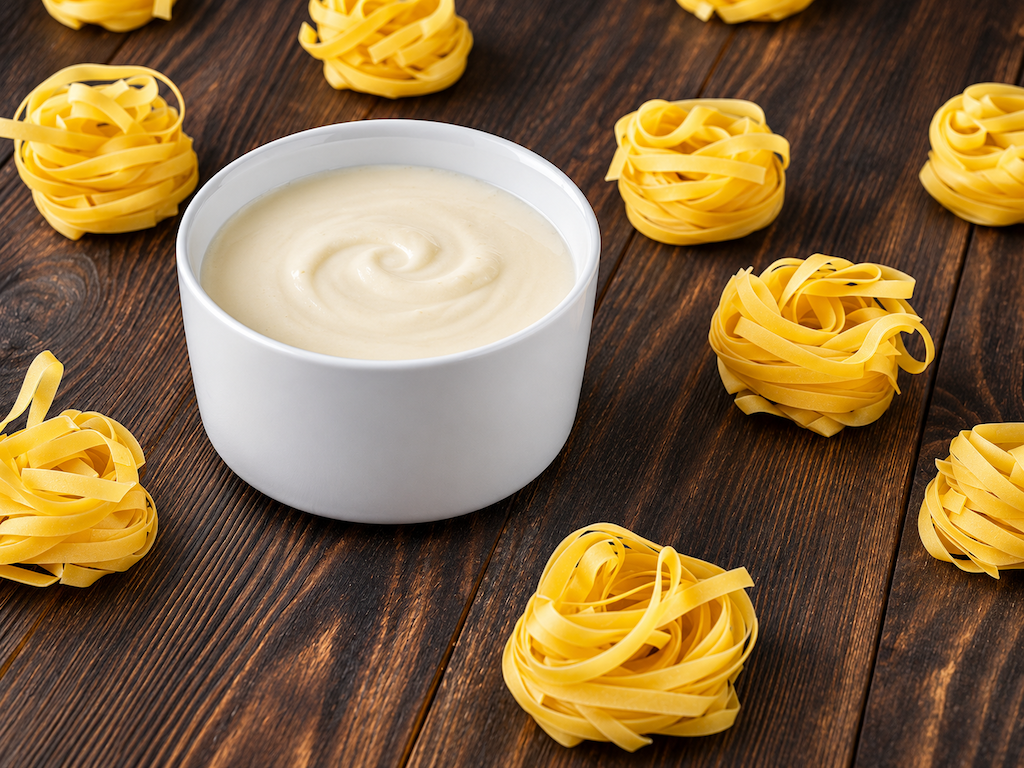
These two sauces are sometimes grouped together because both are pale and creamy, but they are not the same thing. Italian besciamella begins with a butter-and-flour roux and is loosened with milk. Alfredo-style pasta sauces do not use flour in the same way. That distinction matters because béchamel is designed to have structure. The flour thickens the milk enough for the sauce to stay between layers of pasta and hold up during baking.
A properly made besciamella should be smooth and velvety with no floury lumps. Butter gives it richness, milk gives it body, and nutmeg adds a subtle aromatic warmth. The texture should coat the spoon evenly while still flowing naturally when warm. For lasagna, the ideal béchamel is creamy enough to spread easily across the pasta without running like milk or sitting as a heavy paste.
Once you understand béchamel, it becomes much easier to build more complete Italian pasta dishes. For another essential sauce, our Italian Meat Ragù gives you the other major component used alongside besciamella in many baked pasta preparations. If you want to work on the pasta itself, our Fresh Egg Tagliatelle is a useful introduction to traditional egg pasta dough. And for another foundational Italian sauce with a completely different technique, our Fresh Basil Pesto combines basil, nuts, aged cheese, garlic, and extra virgin olive oil without a cooked roux.
Knowing how to make pasta is only half the story. Italian cooking also depends on understanding which sauces belong with which preparations and how texture changes during cooking. Mama Florence currently offers several pasta-focused cooking experiences in Florence, including its Pasta Making Cooking Class, alongside classes devoted to gnocchi, pesto and pasta, regional fresh pasta, and other traditional techniques. You can explore the current Mama Florence cooking classes in Florence, where fresh pasta, regional sauces, and traditional Italian dishes are taught hands-on with the school’s chefs.
Q: What is béchamel sauce called in Italian? A: Béchamel sauce is called besciamella in Italian.
Q: What is Italian béchamel made from? A: This recipe uses whole milk, butter, all-purpose flour, salt, black pepper, and freshly grated nutmeg.
Q: Is béchamel used in Italian lasagna? A: Yes. Besciamella is an important component of many traditional Italian lasagna and baked pasta recipes.
Q: How do I prevent lumps in béchamel sauce? A: Warm the milk first, add it to the roux gradually, and stir or whisk continuously while incorporating it.
Q: What is a roux? A: A roux is a cooked mixture of butter and flour used to thicken sauces such as béchamel.
Q: Should béchamel sauce be thick or thin? A: It depends on the dish. The Mama Florence recipe recommends a thicker consistency for fillings and a more semi-liquid consistency for toppings and layering.
Q: Do I need to boil béchamel sauce? A: The supplied recipe cooks the sauce until it reaches a boil, then continues cooking until the desired consistency is reached.
Q: Why is nutmeg added to besciamella? A: Nutmeg adds a subtle aromatic warmth to the milk-based sauce without overwhelming it.
Q: Can I use béchamel for cannelloni? A: Yes. The original recipe specifically identifies cannelloni as one of the traditional Italian dishes in which besciamella is commonly used.
Q: Is Italian béchamel the same as white sauce? A: Béchamel is a type of white sauce made specifically from butter, flour, and milk.
Q: Is béchamel the same as Alfredo sauce? A: No. Béchamel is thickened with a butter-and-flour roux and milk; Alfredo-style pasta sauce uses a different technique and does not rely on a flour roux.
Please note that our chefs may adapt recipes according to seasonal ingredient availability and participants’ dietary or allergy requirements. As a result, the ingredients, preparation, or presentation shown in this recipe may vary from what you prepared during your Mama Florence class. In some cases, elements of a dish may also appear as separate recipes. Please reach out to our team if any confusion arises. Thank you - the Mama Florence Family
4.7 9 reviews
I do not own the exact thing the recipe describes, so I used something close in size. Ready a little sooner, and it worked.
Good technique explained plainly. I have applied the same trick to two other things since.
One guest asked if I had bought it, which I have decided to take as a compliment.
I halved the quantity for two people and it worked without any change to the timings.
More recipes and stories from our kitchen
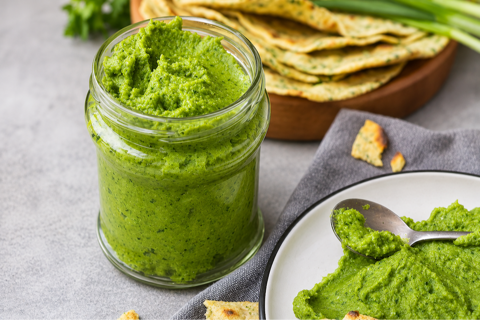
Course: Sauce / Side Dish - Cuisine: Italian; Serves: 4. Prep: approx. 15 min. Cook: approx. 10–15 min. Total: approx. 25–30 min.
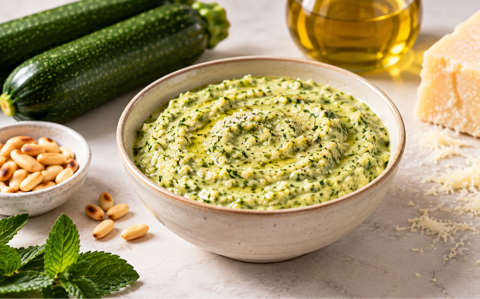
Course: Sauce / Pasta Sauce - Cuisine: Italian; Serves: confirm. Prep: approx. 10 min. Cook: 15 min. Cool: until room temperature. Total: approx. 25 min plus co...
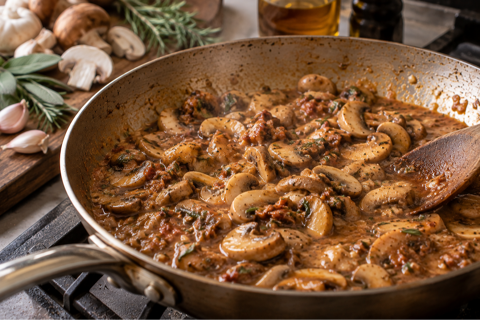
Course: Sauce / Pasta Sauce - Cuisine: Tuscan, Italian; Serves: 4. Prep: approx. 10 min. Cook: approx. 15–20 min. Total: approx. 25–30 min.
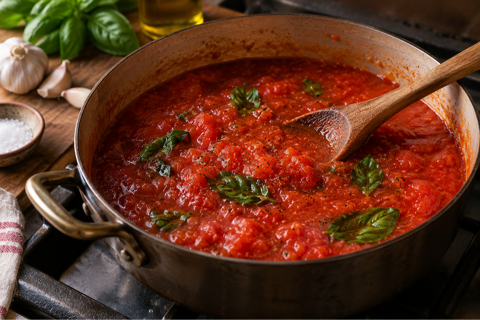
Course: Sauce / Pasta Sauce - Cuisine: Italian; Serves: 4. Prep: approx. 10–15 min. Cook: 20–30 min. Total: approx. 30–45 min.
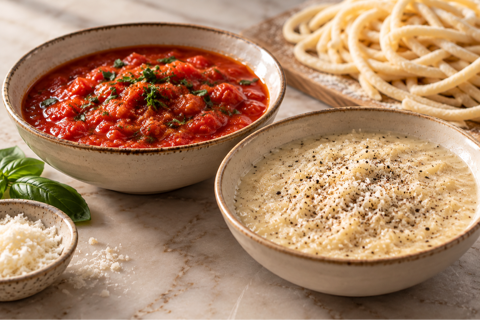
Course: Pasta Sauce - Cuisine: Italian; Serves: 4. Cacio e Pepe: approx. 10 min. Garlic & Tomato Sauce: approx. 10 min prep + at least 1 hr cook.
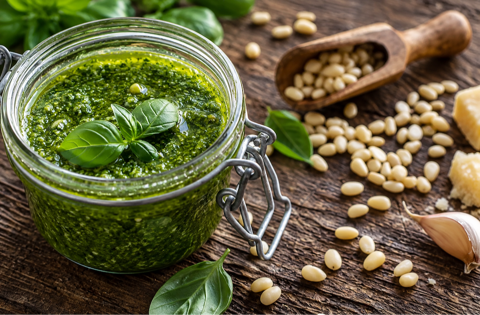
Course: Sauce / Condiment - Cuisine: Italian; Serves: 4. Prep: approx. 10–15 min, Rest: 15–20 min. Total: approx. 25–35 min.
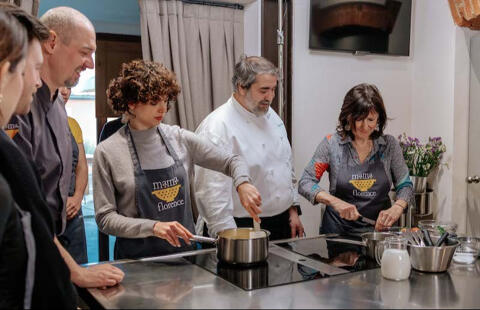
Come join us for a fantastic hands-on cooking class focused on authentic, regional Tuscan specialties
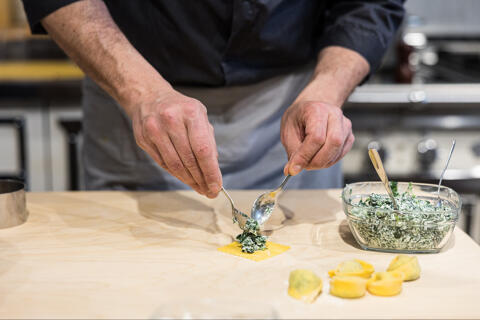
Come join us for a fantastic hands-on cooking class focused on authentic, regional Tuscan specialties
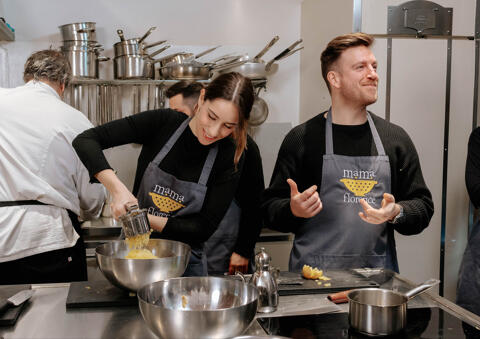
With so many of Italy’s dishes already gluten-free your chef will tell you about the benefits of having at least some of...
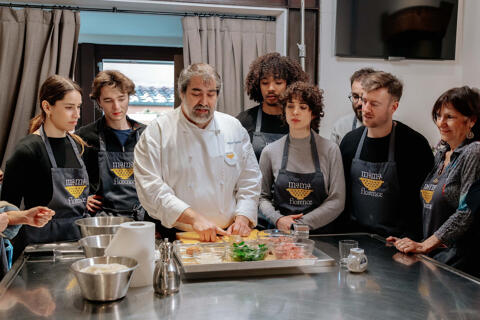
Unmissable pasta journey to discover the traditional flavors of Tuscany and Florence
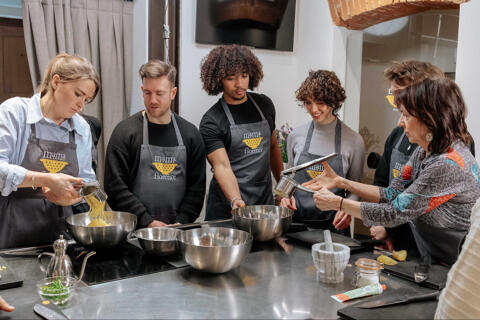
Learn Tuscan traditions and cuisine on a tour, then attend a hands-on cooking class at MaMa Florence Cooking School to l...
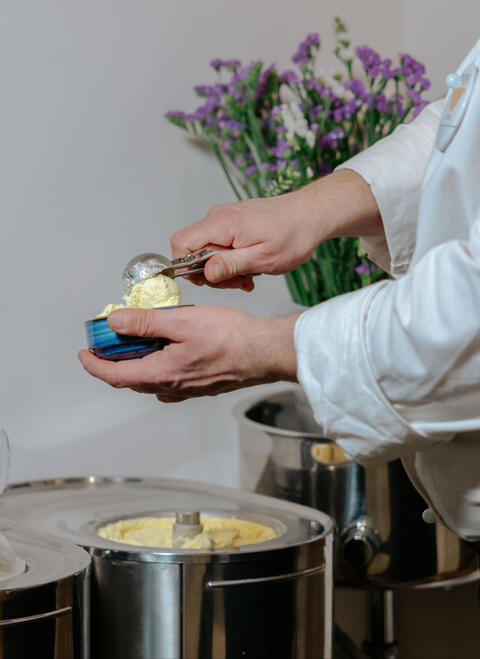
Italian gelato and traditional biscotti, hands-on, under expert guidance. Fresh, seasonal ingredients.