Gelato Making in Florence: History, Craft, and Italian Tradition
Gelato in Florence: A Dessert Woven into Daily Life
Florence is a city that knows how to linger over something good. A coffee may be taken standing at the bar, dinner can stretch late into the evening, and a walk through the center often ends with a cone or cup of gelato in hand.
That familiarity can make gelato look effortless. Behind the glass case, however, good Italian gelato depends on a careful balance of ingredients, temperature, air and technique. The difference between a memorable scoop and a forgettable one is often found in details most people never see.
At Mama Florence Cooking School, gelato gives us a particularly joyful way to explore Italian food culture. It is technical without feeling intimidating, deeply tied to the city, and immediately understood the moment a fresh batch is tasted.
For anyone curious about gelato making in Florence, the story begins not only with how it is churned, but with why Florence became so closely connected to the dessert in the first place.

What Is the Difference Between Gelato and Ice Cream?
Gelato and ice cream share a family resemblance, but they are not quite the same dessert. The distinction comes from the way the mixture is formulated, churned and served.
Italian gelato is typically churned with less air than many styles of ice cream, giving it a denser texture. It is also served at a slightly warmer temperature, so the texture softens more quickly on the tongue and flavors become easier to perceive.
The recipe itself matters too. Gelato often relies less heavily on cream than American-style ice cream, although exact formulas change from one flavor to another. A nut gelato may need a different balance from a fruit flavor, and sorbetto follows its own logic entirely.
What matters most is not whether one dessert is 'better,' but what good gelato is trying to achieve: a smooth texture, a clean flavor and enough restraint for the main ingredient to remain recognizable.
That is why a good cream gelato should taste of dairy and its chosen flavoring, while a berry sorbetto should taste unmistakably of ripe fruit.
Why Is Florence Important to the History of Gelato?
Gelato belongs to Italy as a whole, but Florence has a particularly strong claim in its story. During the Renaissance, the Medici court became associated with elaborate frozen desserts, and the Florentine artist and architect Bernardo Buontalenti is traditionally linked with an early milk-based frozen preparation.
The story has gathered legend around it over the centuries, but Florence's role in the development of frozen desserts remains part of the city's culinary identity. Our article on the Florentine history of gelato follows that story through the Medici court and Buontalenti in greater detail.
What is easier to see today is the living tradition. Florence is still filled with gelaterie, from long-established shops to contemporary artisans working with seasonal fruit, nuts, chocolate and regional ingredients.
Knowing a little about the craft also changes the way you look at a gelateria. Our guide to artisan gelato in Florence explores what to notice when choosing where to stop for a scoop.

How Is Authentic Italian Gelato Made?
Gelato begins with balance. Milk, cream, sugar, fruit, chocolate, nuts or other flavoring ingredients all affect not only taste, but also how the mixture freezes.
Sugar, for example, does more than sweeten. It influences freezing point and texture. Fat changes richness and mouthfeel. Air enters during churning, but the amount matters: too much and the gelato loses the density people associate with the Italian style.
The mixture is prepared, chilled and churned as it freezes. This constant movement helps control ice-crystal formation and creates the smooth texture that makes gelato feel creamy even when a recipe is not especially high in fat.
Fresh ingredients make the differences easier to taste. Pistachio should taste like pistachio, lemon like lemon, and strawberry like strawberry. When the base is well balanced, the flavor does not need to hide behind excessive sweetness.
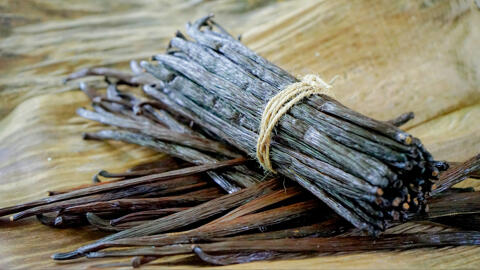
Even an ingredient as familiar as vanilla changes depending on its variety and how it is infused, which is one reason gelato making is as much about understanding ingredients as following a formula.
Gelato, Sorbetto, and Granita: What’s the difference?
A gelateria may place gelato, sorbetto and granita only a few centimeters apart, but each has a different structure.
Gelato is usually built around a milk-based or dairy-enriched mixture, depending on the flavor. Sorbetto is generally made without dairy, relying instead on fruit, water and sugar to create its texture. Granita is different again: icier, looser and deliberately crystalline rather than creamy.
These differences are especially useful to understand in Florence, where tasting them side by side reveals how texture changes the way flavor reaches the palate.
On Mama Florence's Gelato Tour through Florence, the distinction becomes something you can taste rather than simply define, with stops for gelato, sorbet and granita around the city.

What Happens in a Gelato Making Class in Florence?
A useful gelato class should answer the questions that a finished scoop cannot: why a recipe freezes the way it does, how ingredients change texture, what separates gelato from sorbetto, and how a flavor is built from the base upward.
It should also be hands-on. Measuring, mixing, tasting and watching the texture change are what turn gelato from something you buy into something you understand.
At Mama Florence Cooking School, our Afternoon Gelato and Biscuits Cooking Class combines gelato making with traditional biscotti, giving guests a broader look at Italian dessert culture rather than treating frozen desserts as an isolated technique.
The experience also connects naturally to recipes such as traditional cantucci, where texture, serving and the pleasure of something sweet at the end of a meal belong to the same Italian table.
How to Choose a Gelato Making Class in Florence
Florence offers plenty of food experiences, so choosing a gelato class is less about finding the longest list of activities and more about deciding what you actually want to learn.
Look for professional culinary instruction, hands-on participation and enough explanation to understand what is happening in the bowl rather than simply following steps. Ingredient quality matters, but so does context: a good class should leave you better able to recognize well-made gelato after you walk back out into the city.
Group size and format matter too. A shorter afternoon class may suit travelers who want a focused dessert experience, while a private class gives more room for questions and individual guidance.
Families who want to make more than one Italian favorite may prefer a Pizza and Gelato Class, while guests looking for a more focused format can choose the private Gelato & Biscotti class.
Why Gelato Matters in Italian Food Culture
Gelato is easy to describe as a dessert, but in Italy it often behaves more like a ritual. It belongs to evening walks, family outings, summer afternoons and the small decision to stop somewhere simply because the gelato looks worth it.
People have favorite flavors, favorite shops and strong opinions about both. Seasonality matters. So does the pleasure of eating it immediately, before the texture changes and before the walk continues.
That everyday quality is part of what makes Italian gelato interesting. It can carry centuries of culinary history and careful technique without ever losing the feeling of something spontaneous.
If making gelato teaches you how the dessert works, a guided gelato tasting tour reveals another side of the tradition: how Florentines eat it, where different styles appear, and how gelato, sorbetto and granita fit into the city itself.

Gelato Making at Mama Florence Cooking School
For us, the pleasure of a gelato class is that the result is immediate. You can talk about temperature, sugar, fruit and texture, then taste exactly what those choices have done.
At Mama Florence Cooking School, we approach gelato the same way we approach pasta, pesto or any other Italian technique: begin with good ingredients, understand what each one contributes, and give the final flavor enough space to be itself.
The lesson may end with dessert, but the useful part follows you out the door. Once you understand what makes gelato smooth, balanced and expressive, the next gelateria window becomes much more interesting.
Note from Mama:
Good gelato should make its flavor obvious before you have to think about it. Pistachio should taste of pistachios, fruit should taste fresh, and the texture should support the ingredient rather than cover it.
The technique matters, but the best scoop still comes back to something very Italian: start with good ingredients, do only what they need, and enjoy it before it melts
Gelato Making in Florence FAQ
Q: What is the difference between gelato and ice cream? A: Gelato is generally churned with less air and served at a slightly warmer temperature than many styles of ice cream, giving it a denser texture and making its flavors easier to perceive.
Q: Was gelato invented in Florence? A: Florence has an important place in gelato history. Renaissance stories connect Bernardo Buontalenti and the Medici court with early milk-based frozen desserts, although the broader history of frozen sweets developed over time and across different places.
Q: What do you learn in a gelato making class in Florence? A: A hands-on class can cover ingredient balance, freezing and churning, the difference between gelato and sorbetto, flavor development, and how to recognize well-made artisan gelato.
Q: Is a gelato making class in Florence suitable for beginners? A: Yes. Gelato making is approachable for beginners because the class can introduce the science and technique step by step while still producing something immediately enjoyable.
Q: Can children take a gelato class in Florence? A: Many gelato experiences are family-friendly. The best option depends on the child's age and the specific class format, so check the class details before booking.
Q: What is the difference between gelato and sorbetto? A: Gelato is commonly made with a dairy-based mixture, while sorbetto is generally dairy-free and built around fruit, water and sugar.