Cantucci and Vin Santo
Origins and History of Cantucci
Cantucci, also known as Cantuccini, are traditional almond biscuits from Tuscany, particularly associated with the city of Prato. These biscuits date back to the 16th century, when they were served at the court of the Medici. The traditional recipe includes simple ingredients: flour, sugar, eggs, whole almonds, and sometimes honey. Cantucci are known for their double baking process, which makes them especially crunchy and perfect for dipping in wine.
The Vin Santo of Tuscany
Vin Santo is a Tuscan dessert wine known for its sweet and rich flavor. The name "vin santo," which means "holy wine," probably originates from its traditional use during religious ceremonies. It is made from white grapes, primarily Trebbiano and Malvasia, which are dried on mats before being pressed. The must is then fermented and aged in small wooden barrels for several years, giving Vin Santo its complex and aromatic taste.
The Name Cantucci
The term cantucci comes from the medieval Latin word "cantellus," meaning "piece" or "slice," referring to the shape of the biscuits, which are sliced diagonally from a loaf. In Italian, "cantuccio" can also mean a corner or a small space, evoking the idea of a small piece or part of something larger. Cantucci are also known as cantuccini, which is the diminutive form, referring to their smaller size and crunchy texture.
Where Are Cantucci Produced?
The production of cantucci is primarily associated with Tuscany, with Prato being the most renowned center of production. However, these biscuits are also made in other areas of Tuscany, maintaining traditional recipes and methods.
The Tradition of Pairing
Pairing Cantucci and Vin Santo is a deeply rooted tradition in Tuscan culture. After a hearty meal, cantucci are served with a glass of Vin Santo, in which they are dipped to soften and absorb the wine's flavor. This ritual not only enhances the taste of the biscuits but also provides a sweet and satisfying end to the meal.
Preparing Cantucci
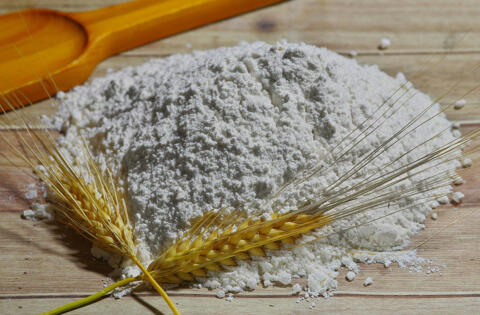
To prepare cantucci, start by mixing flour, sugar, eggs, and baking powder until a smooth dough forms. Whole almonds are then added, and the dough is shaped into logs. These are baked until golden, then sliced diagonally and baked again to achieve the characteristic crunchy texture.
Tasting Vin Santo
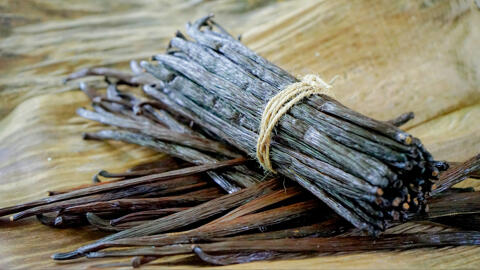
Vin Santo is typically served at room temperature in small glasses. Its aroma can range from notes of dried fruit, honey, and spices to hints of caramel and vanilla, depending on the aging process. Its sweetness perfectly balances the crunchiness and almond flavor of cantucci.
Cantucci and Vin Santo represent a perfect pairing that embodies the essence of Tuscan conviviality. This combination offers a culinary experience that goes beyond a simple dessert, taking those who savor it on a journey through the history and traditions of Tuscany.